

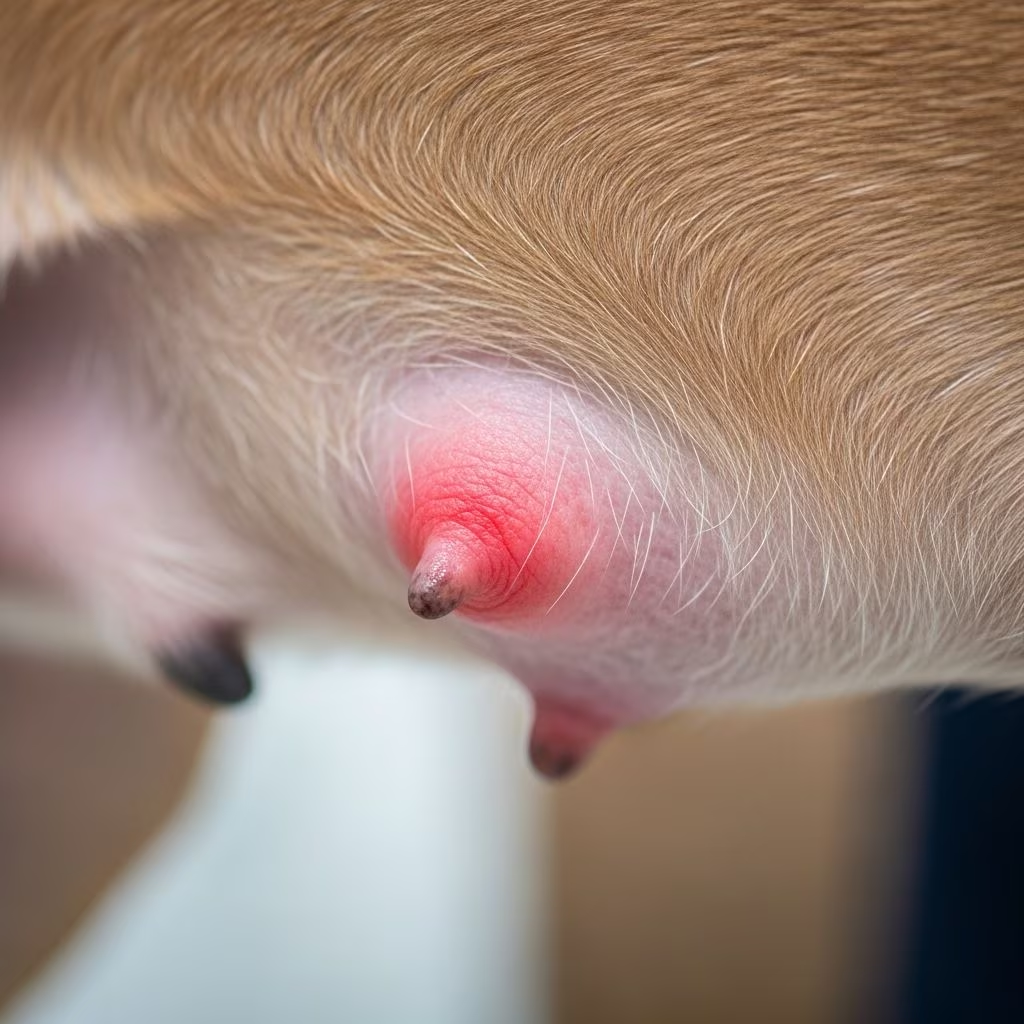
Mastitis in Dogs: A Comprehensive Guide
Mastitis is a common condition that affects nursing female dogs, characterized by inflammation of one or more mammary glands. This condition can develop during pregnancy, lactation, or following weaning, and requires prompt veterinary attention to prevent serious complications. Understanding mastitis is essential for dog owners, particularly those with pregnant or nursing dogs, as early recognition and treatment can significantly improve outcomes for both the mother and her puppies.
What Is Mastitis in Dogs?
Mastitis refers to the inflammation of the breast or mammary tissue in dogs. The condition occurs primarily in intact female dogs and almost exclusively in nursing mothers, though it may also develop during late stages of pregnancy or with a false pregnancy. When mastitis develops, one or more of the mammary glands become inflamed, swollen, and often painful. The severity of the condition can range from mild inflammation to severe bacterial infection that requires hospitalization.
Types of Mastitis in Dogs
Veterinarians classify mastitis into several distinct types based on the underlying cause and severity:
Acute Mastitis
Acute mastitis is characterized by sudden swelling of the mammary gland that includes heat and pain. The milk becomes obviously abnormal in appearance and consistency. This type of mastitis may also cause behavioral changes in the mother, such as lethargy, avoidance of feeding her puppies, or decreased appetite. If acute mastitis is left untreated, it may progress to septic mastitis, a more serious form of the infection.
Septic Mastitis
Septic mastitis involves inflammation of the mammary gland that results in heat, pain, milk discoloration, and systemic signs of illness in the mother. Clinical signs include fever, depression, anorexia (loss of appetite), lethargy, and the mother neglecting or refusing to nurse her puppies. This type of mastitis is typically caused by bacterial infection that has progressed without treatment.
Non-Septic Mastitis
Non-septic mastitis involves inflammation of the mammary gland caused by factors other than bacterial infection. This form commonly occurs at weaning, approximately 3-4 weeks after birth. Dogs with non-septic mastitis typically show swollen glands that are painful to touch, but the dog generally remains relatively healthy and alert compared to septic cases.
Chronic or Subclinical Mastitis
Chronic mastitis may occur when acute mastitis is not adequately treated. The only clinical sign observed with this form may be failure of the puppies to thrive, as the infected mammary gland may not produce adequate milk or may produce milk that is harmful to nursing puppies.
Causes of Mastitis in Dogs
Mastitis in dogs develops through various mechanisms, with bacterial infection being the most common cause. Understanding these causes helps owners take preventive measures and recognize risk factors in their dogs.
Bacterial and Fungal Infections
Bacterial infection is the primary cause of mastitis in dogs. The most common pathogens responsible for causing mastitis are Staphylococcus, Escherichia coli (E. coli), and Streptococcus species. Other bacterial causes include enterococci. Fungal infections, though less common, can also cause mastitis, including organisms such as blastomycosis and mycobacterium. These microorganisms can enter the mammary gland through the open teat canal or through wounds.
Milk Accumulation and Stasis
One of the most significant non-infectious causes of mastitis is the accumulation of milk within the breast tissue. When milk builds up in the mammary glands for prolonged periods, it creates an environment conducive to bacterial growth and causes inflammation. Milk stasis can result from several situations including the death of newborn puppies, which suddenly eliminates the demand for milk from affected glands. Sudden weaning also results in milk buildup, as the mammary glands continue producing milk without the stimulus of nursing puppies to remove it. When this prolonged period of milk accumulation occurs, inflammation within the mammary gland develops.
Environmental and Physical Factors
Environmental conditions play a crucial role in mastitis development. An unsanitary or damp whelping box significantly increases the risk of bacterial infection entering the mammary glands. Trauma to the teat or mammary area can occur from sharp edges of the whelping box or, rarely, from a puppy scratching the teat while nursing, creating entry points for bacteria.
Teat Canal and Bacterial Entry
If the nursing dog has a larger puppy litter, the teat canal—a primary physical barrier—remains open for extended periods. This prolonged opening increases the risk of bacteria entering the mammary glands. Additionally, during lactation, the teats normally flush out bacteria with the milk, but when milk accumulates or other factors compromise this natural defense, infection can establish.
Clinical Signs and Symptoms of Mastitis
Dog owners should be alert to various signs that may indicate their nursing dog has developed mastitis. Early recognition of these symptoms allows for prompt veterinary intervention.
Local Gland Changes
The affected mammary glands often show obvious physical changes. Slight redness around the nipple may be visible, and the gland typically becomes swollen and firm to the touch. The glands are usually hot and painful, causing the mother discomfort when nursing or when the area is touched. In some cases, a palpable mass may be felt within the gland tissue.
Milk Changes
Changes in the milk itself are often one of the most telling signs of mastitis. The milk may become discolored, appearing yellow, brown, or even containing blood. The consistency and appearance of the milk expressed from the affected gland will be obviously abnormal compared to milk from unaffected glands.
Systemic Signs
In cases of septic mastitis, the mother may develop systemic signs indicating a more serious infection. These include fever, depression, lethargy, loss of appetite, and behavioral changes such as reluctance to care for her puppies or neglecting them entirely. In severe cases, the dog may appear acutely ill.
Puppy-Related Signs
Because mastitis affects both the mother and puppies, owners may notice that the puppies fail to thrive or grow normally. The nursing puppies may become ill if they consume contaminated milk from infected glands. In chronic or subclinical mastitis, the primary observation may be poor puppy growth and development.
Diagnosis of Mastitis
Veterinary diagnosis of mastitis typically involves a physical examination combined with laboratory analysis. The veterinarian will examine the mammary glands, assess for heat, pain, and swelling, and evaluate the appearance of milk expressed from each gland. In some cases, milk samples may be collected for culture and sensitivity testing to identify the specific organism causing the infection and determine appropriate antibiotic therapy. This is particularly important for chronic cases where culture results guide targeted antibiotic selection.
How Is Mastitis Treated?
Treatment approaches for mastitis vary depending on the type, severity, and whether puppies are still nursing. Most cases can be managed effectively when treated promptly.
Antibiotic Therapy
Antibiotic therapy is the cornerstone of mastitis treatment. Most dogs with mastitis can be treated on an outpatient basis with oral antibiotics and pain medications. For acute mastitis, broad-spectrum antibiotics are typically prescribed, while chronic mastitis is treated based on culture and sensitivity results. Antibiotic therapy tends to last for 2-3 weeks. Common antibiotics prescribed include amoxicillin, amoxicillin/clavulanic acid (Clavamox), cephalexin, and cefoxitin. The specific choice depends on the organism involved and the age of nursing puppies, as some antibiotics may be harmful to them.
Hand-Milking and Gland Expression
Your veterinarian may recommend hand-milking the infected gland, which can alleviate discomfort while also encouraging blood flow and promoting healing. Hand-milking should be performed every six hours. When your dog lactates, the teats flush out bacteria with the milk, and regular expression of the mammary glands helps clear the milk ducts and reduce infection. However, frequent hand-milking by hand may be too painful for some dogs, necessitating pain management strategies.
Pain and Anti-Inflammatory Management
The veterinarian may prescribe nonsteroidal anti-inflammatory drugs (NSAIDs) for managing pain and inflammation. Anti-inflammatory medications help relieve congestion and alleviate the discomfort associated with swollen, inflamed glands. Mild cold or warm compresses may also be beneficial to help the dog feel more comfortable.
Milk Production Reduction
If your dog is not nursing any puppies, your veterinarian may recommend medications to help reduce milk production. Once the puppies are weaned, milk production can be reduced with prolactin inhibitors such as cabergoline.
Severe Cases and Hospitalization
Severe cases of mastitis may require hospitalization along with IV fluids, pain medication, and injectable antibiotics. If bacteria enter the bloodstream, sepsis can develop, which is a life-threatening condition requiring immediate hospitalization. In these severe situations, the dog receives IV fluids and antibiotics to combat the systemic infection.
Surgical Intervention
In the most severe cases, surgical therapy may be necessary. Surgical options include drainage of abscesses in the mammary glands, debridement (removal of damaged tissue), and in extreme cases, mastectomy (removal of the affected mammary gland). This surgical approach is typically reserved for cases with necrotic (dead) tissue that must be drained, flushed, and removed.
Complications of Untreated Mastitis
It is critical to treat mastitis as soon as signs are noted and give all medications as prescribed by your veterinarian. Untreated mastitis can cause serious, potentially life-threatening complications. Gangrene, abscess formation, or septic shock can develop if the condition is left untreated. In severe untreated cases, bacteria can enter the bloodstream, causing sepsis, which is a medical emergency requiring intensive veterinary care.
Home Care and Management
Mastitis must first be diagnosed by a veterinarian so a treatment plan can be put together for the mother and any affected puppies. While moderate to mild cases may be sent home with a regimen of antibiotics, care modifications, compression therapy, and possibly massage, treatment should not be done at home without the supervision of a veterinarian. The veterinarian will provide specific instructions for home care, including how frequently to hand-milk the glands, whether to apply warm or cold compresses, and how to monitor for signs of improvement or deterioration.
Prognosis for Mastitis
The prognosis for mastitis in dogs is generally good when the condition is identified early and treatment is initiated promptly. Most dogs respond well to antibiotic therapy and supportive care. However, the prognosis depends on several factors including the type of mastitis, the severity of infection, how quickly treatment begins, and the overall health status of the dog. Dogs treated for acute mastitis typically recover completely with appropriate therapy. Septic mastitis carries a more guarded prognosis, particularly if sepsis has developed, though most dogs survive with aggressive treatment. Chronic mastitis may require longer treatment periods and closer monitoring.
Prevention of Mastitis
While not all cases of mastitis can be prevented, several measures can reduce the risk. Maintaining a clean, dry whelping environment is essential. Providing adequate nutrition and hydration to pregnant and nursing dogs supports immune function. Regular monitoring of nursing dogs for early signs of mastitis allows for prompt treatment. Ensuring puppies nurse regularly helps maintain proper milk flow and prevents stasis. If a puppy dies, the affected gland should receive special attention to prevent milk accumulation.
Frequently Asked Questions About Mastitis in Dogs
Q: Can mastitis be prevented in dogs?
A: While not all cases can be prevented, maintaining a clean and dry whelping environment, ensuring proper nutrition, and monitoring nursing dogs closely for early signs can significantly reduce the risk of mastitis development.
Q: Is it safe for puppies to nurse from a dog with mastitis?
A: Puppies should not nurse from severely infected glands, as the contaminated milk may make them ill. Your veterinarian will advise whether puppies can safely nurse from affected or unaffected glands during treatment.
Q: How long does mastitis treatment typically take?
A: Antibiotic therapy for mastitis typically lasts 2-3 weeks, though this may vary depending on the severity and type of mastitis. Always complete the full course of antibiotics as prescribed.
Q: What should I do if I notice signs of mastitis in my dog?
A: Contact your veterinarian immediately if you notice swelling, heat, pain, discolored milk, or behavioral changes in your nursing dog. Early intervention is critical for preventing complications.
Q: Can mastitis recur in dogs?
A: While properly treated mastitis typically resolves completely, dogs with previous mastitis may be at higher risk for recurrence in subsequent pregnancies. Close monitoring during future pregnancies is recommended.
References
- What to Know About Mastitis in Dogs — WebMD Pets. 2025. https://www.webmd.com/pets/dogs/what-to-know-about-mastitis-in-dogs
- Mastitis in Dogs – Symptoms, Causes & Treatments — Pacific Santa Cruz Veterinary Clinic. 2023-07-17. https://www.pacificsantacruzvet.com/site/blog/2023/07/17/mastitis-in-dogs
- A Pet Parent’s Guide to Mastitis in Dogs — Northgate Veterinary Clinic. 2024-02-15. https://www.northgateveterinary.com/site/blog/2024/02/15/mastitis-dog
- Mammary Inflammation (Mastitis) in Dogs – Causes, Treatment and Prevention — Vetster. 2025. https://vetster.com/en/conditions/dog/mammary-inflammation-mastitis
- Mastitis in Dogs — VCA Animal Hospitals. 2025. https://vcahospitals.com/know-your-pet/mastitis-in-dogs
- Mastitis in Dogs — PetMD. 2025. https://www.petmd.com/dog/conditions/endocrine/c_dg_mastitis
- Mastitis in Dogs: Diagnosis and Treatment — Vets & Clinics. 2025. https://vetsandclinics.com/en/mastitis-in-dogs-diagnosis-and-treatment



