Mastitis in Dogs: Guide to Detection and Care
Understand the signs, causes, and treatments for mastitis in dogs to protect nursing mothers and their litters from this serious condition.
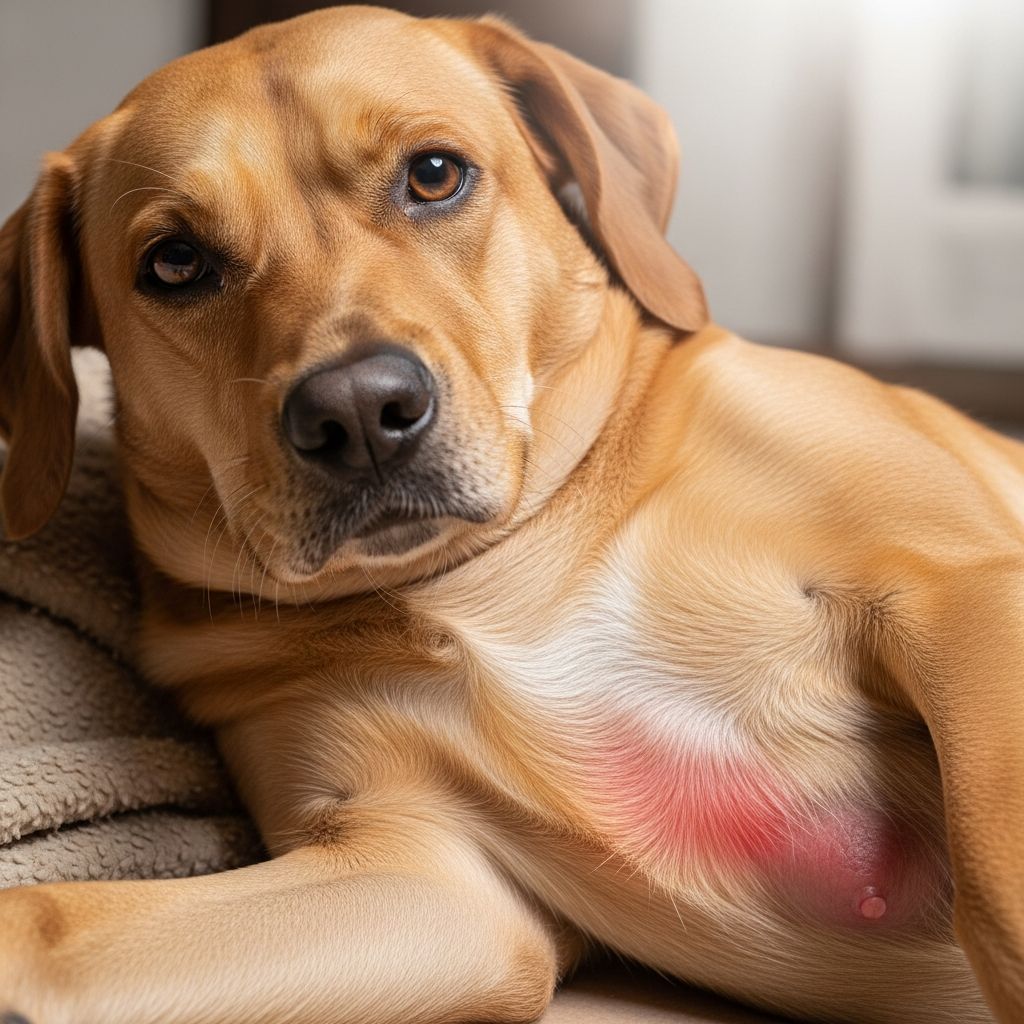
Mastitis represents a significant health challenge for nursing dogs, characterized by inflammation in the mammary glands typically triggered by bacterial invasion. This condition demands prompt recognition and intervention to safeguard both the mother and her puppies from potential severe outcomes.
Understanding the Nature of Canine Mastitis
At its core, mastitis involves the swelling and infection of one or more mammary glands in female dogs. It predominantly strikes during lactation when the glands are active and vulnerable. Bacteria such as Staphylococcus, Escherichia coli, and Streptococcus are the primary culprits, gaining entry through the teat canal.
The mammary glands, numbering up to ten in dogs, produce milk to nourish newborns. When infection sets in, this vital function is compromised, leading to pain and systemic illness if untreated. Severity varies from mild, subclinical cases to life-threatening septic forms that can endanger the entire litter.
Primary Causes Behind Mammary Gland Inflammation
Several factors contribute to the development of mastitis. Bacterial infections top the list, often entering via trauma to the nipple or poor hygiene in the whelping area. Unsanitary, damp environments foster bacterial growth, increasing exposure risks.
- Prolonged milk accumulation due to puppy loss or sudden weaning creates a breeding ground for pathogens.
- Trauma from sharp whelping box edges or aggressive puppy nursing damages the teat canal.
- Fungal infections, though rarer, like blastomycosis, can also inflame glands.
- Large litters overwhelm individual teats, keeping canals dilated longer and inviting bacteria.
Even non-infectious milk stasis can evolve into inflammation, underscoring the importance of monitoring nursing dynamics closely.
Recognizing Early Warning Signs
Early detection hinges on observing changes in the mammary area and the dam’s behavior. Common indicators include:
- Swollen, firm, or hot glands that feel painful to the touch.
- Discolored, thick, or bloody milk with a foul odor.
- Fever, lethargy, and loss of appetite in the mother.
- Puppies failing to gain weight or refusing to nurse affected teats.
Subtle signs like slight redness may precede more dramatic symptoms. In chronic cases, only poor puppy growth is evident, masking the issue until it worsens.
| Type of Mastitis | Key Symptoms | Potential Progression |
|---|---|---|
| Acute | Hot, painful glands; mother avoids nursing | May lead to septic form |
| Septic | Fever, depression, discolored milk | Sepsis, gangrene risk |
| Subclinical/Chronic | No obvious signs in dam; pups fail to thrive | Prolonged low-grade infection |
| Galactostasis (Non-infectious) | Swollen glands post-weaning | Resolves with milk expression |
This table outlines mastitis variants, aiding quick assessment.
Diagnosis: Veterinary Evaluation Essentials
Veterinarians diagnose mastitis through physical exams, milk cytology, and bacterial cultures. Milk pH testing guides initial antibiotic choices, with full sensitivity results following lab analysis. Imaging or ultrasound may reveal abscesses in advanced cases.
Distinguishing mastitis from tumors or pseudopregnancy is crucial, as symptoms overlap. History of recent whelping confirms likelihood.
Comprehensive Treatment Approaches
Treatment protocols prioritize outpatient care when feasible, allowing the dam to stay with pups. Core elements include:
- Antibiotics: Broad-spectrum options like amoxicillin-clavulanate (15-20 mg/kg every 12 hours) or cephalexin (22-30 mg/kg every 8-12 hours) for 2-3 weeks.
- Hand-milking infected glands every 6 hours to promote drainage and circulation, despite discomfort.
- Pain relief via NSAIDs, cautious due to lactation transfer to pups.
- Warm compresses or cabbage leaves to reduce swelling.
Severe septic cases necessitate hospitalization with IV fluids, aggressive antibiotics, and possible surgery for abscess drainage or necrotic tissue removal. Prolactin inhibitors like cabergoline aid post-weaning milk suppression.
Puppy safety is paramount; select antibiotics safe for nursing neonates and supplement formula if needed.[10]
Supportive Home Care Strategies
Owners play a key role post-diagnosis. Gentle gland massage during milking, clean whelping areas, and monitoring puppy weights are vital. Encourage suckling from affected teats if safe, as puppies’ nursing aids resolution.
Avoid home remedies without vet approval, as improper handling risks worsening infection.
Prevention: Proactive Measures for Breeding Dogs
Preventing mastitis focuses on hygiene and monitoring:
- Maintain dry, clean whelping boxes with soft bedding.
- Ensure adequate nursing to prevent milk buildup; supplement large litters.
- Inspect teats daily for trauma during lactation.
- Gradual weaning minimizes stasis risks.
Spaying non-breeding females eliminates mammary cancer risks, indirectly reducing mastitis concerns.
Potential Complications and Prognosis
Untreated mastitis escalates rapidly: abscesses, gangrene, sepsis, or puppy starvation. Early intervention yields excellent prognosis; most dogs recover fully within weeks. Chronic cases or delayed treatment lowers success rates.
Monitor for recurrence, especially in repeated breeders.
Frequently Asked Questions (FAQs)
Can mastitis resolve without antibiotics?
Mild, non-infectious cases may improve with milking and compresses, but bacterial infections require antibiotics to prevent progression.
Is mastitis contagious to other dogs?
No, it’s not directly contagious, but shared unsanitary environments can spread bacteria.
How long does treatment last?
Typically 2-3 weeks of antibiotics, with milking until resolution.
Can puppies nurse from infected glands?
If mild and vet-approved, yes; otherwise, use unaffected glands or formula.
What if my dog has mastitis but no puppies?
Treat with antibiotics, milk expression, and prolactin inhibitors for pseudopregnancy cases.
Long-Term Management for Affected Dogs
Post-recovery, schedule follow-ups to confirm clearance. Future litters warrant vigilant monitoring. Nutritional support with high-quality diets bolsters immunity during lactation.[10]
References
- What to Know About Mastitis in Dogs — WebMD. 2023. https://www.webmd.com/pets/dogs/what-to-know-about-mastitis-in-dogs
- Mammary Inflammation (Mastitis) in Dogs — Vetster. 2024. https://vetster.com/en/conditions/dog/mammary-inflammation-mastitis
- Mastitis in Dogs – Symptoms, Causes & Treatments — Pacific Santa Cruz Vet. 2023-07-17. https://www.pacificsantacruzvet.com/site/blog/2023/07/17/mastitis-in-dogs
- Mastitis in Dogs — VCA Animal Hospitals. 2024. https://vcahospitals.com/know-your-pet/mastitis-in-dogs
- Mastitis in Dogs — PetMD. 2024. https://www.petmd.com/dog/conditions/endocrine/c_dg_mastitis
- Mastitis in dogs: diagnosis and treatment — Vets and Clinics. 2023. https://www.vetsandclinics.com/en/library/mastitis-in-dogs-diagnosis-and-treatment
Similar Articles








Read full bio of Sneha Tete