

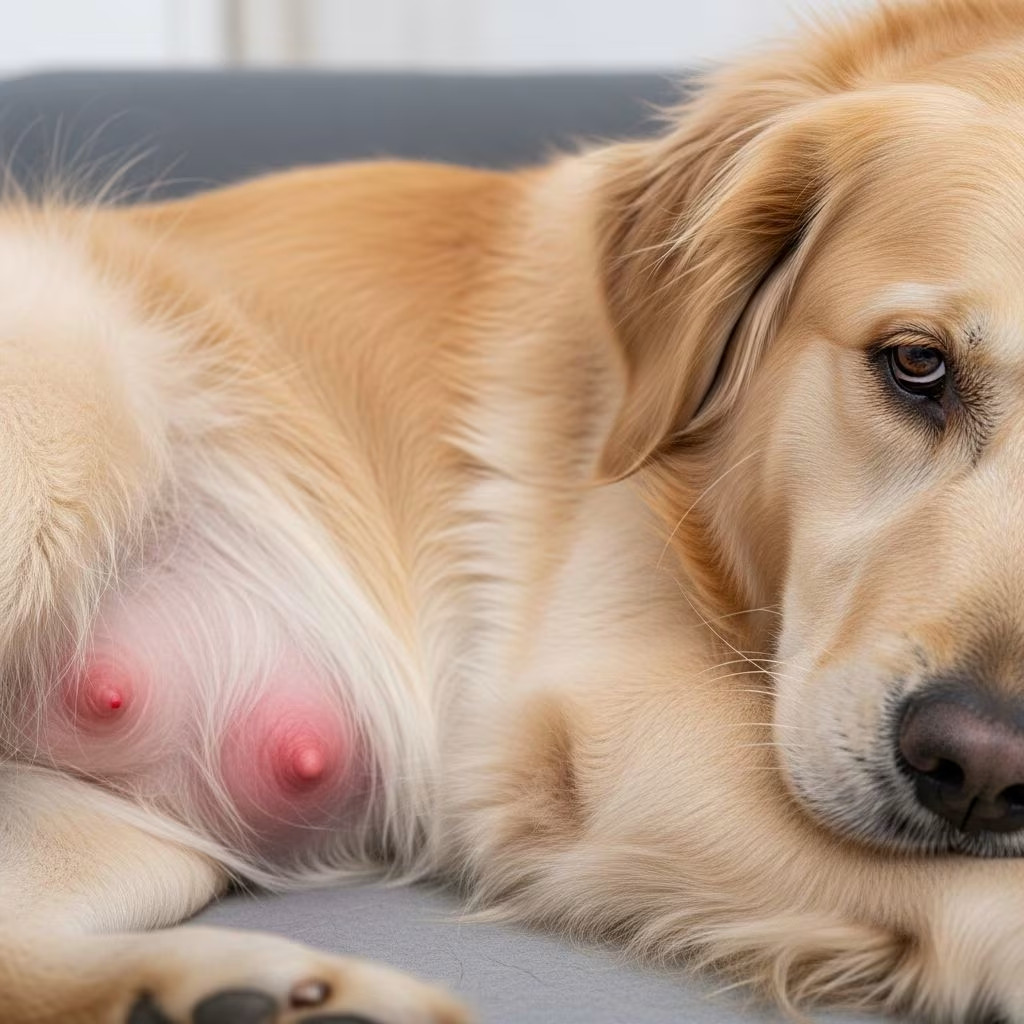
Understanding Mastitis in Dogs
Mastitis is an inflammation of the mammary glands in dogs that typically develops during the postpartum period when a female dog is nursing her puppies. This condition is primarily caused by bacterial infections and occurs almost exclusively in intact female dogs, particularly those who are actively nursing or have recently given birth. While mastitis can also develop during late pregnancy or with false pregnancies, it remains most common in lactating mothers. Understanding this condition is crucial for dog owners who breed their dogs or have nursing female dogs, as early recognition and treatment can prevent serious complications.
What Causes Mastitis in Dogs?
Mastitis develops through multiple pathways, with both infectious and non-infectious factors playing significant roles. The most common pathogens responsible for causing mastitis are bacterial organisms including Staphylococcus, Escherichia coli (E. coli), and Streptococcus. These bacteria can invade the mammary glands through the teat canal, particularly when the teat remains open for extended periods.
Primary Causes of Mastitis
One of the most significant causes of mastitis is the accumulation of milk in the breast tissues. When milk builds up and is not properly expressed, inflammation develops within the mammary gland. This milk stasis commonly occurs following sudden weaning of puppies or the death of newborn puppies. When a nursing dog has a larger puppy litter, the teat canal remains open for prolonged periods, increasing the risk of bacteria entering the mammary glands.
Environmental factors significantly contribute to mastitis development. An unsanitary whelping box and damp birth site create ideal conditions for bacterial contamination and infection. Additionally, trauma to the teat—whether from sharp edges of the whelping box or, rarely, from puppies scratching during nursing—can compromise the teat’s integrity and allow bacterial invasion.
Abrupt or forced weaning represents another critical risk factor. When puppies are suddenly weaned, milk production does not immediately cease, leading to prolonged milk stasis and subsequent inflammation. This scenario commonly occurs around 3-4 weeks after birth and typically results in non-septic mastitis.
Types of Mastitis in Dogs
Mastitis presents in different forms, each with distinct characteristics and severity levels:
Acute Mastitis involves a swollen mammary gland in dogs and may lead to the mother avoiding feeding her puppies or displaying lethargy. The affected glands become hot and painful to the touch. If left untreated, acute mastitis can progress to more severe forms.
Septic Mastitis represents a more serious form of the condition, characterized by inflammation of the mammary gland that leads to heat, pain, milk discoloration, and potential systemic illness in the mother. In septic mastitis, bacteria enter the bloodstream, causing sepsis—a life-threatening systemic infection. Clinical signs include fever, depression, anorexia, lethargy, and the mother neglecting her puppies.
Non-septic Mastitis is inflammation of the mammary gland not caused by bacterial infection. This form commonly occurs at weaning and presents with swollen, painful glands, though the dog typically remains relatively healthy and alert.
Chronic or Subclinical Mastitis may show minimal outward signs, with the primary observation being failure of the puppies to thrive.
Clinical Signs and Symptoms
Recognizing the symptoms of mastitis is essential for prompt treatment. Dog owners should monitor nursing mothers closely for any of the following signs:
Early symptoms of mastitis include slight redness around the nipple, fever, and palpable masses. More obvious signs include swollen, hard, and/or hot teats, discolored mammary glands, and abnormal milk appearance. The affected glands may become visibly enlarged and feel warm or hot to the touch.
Behavioral changes are also important indicators. Affected mothers may display lethargy, reduced interest in nursing, or avoidance of their puppies. In more severe cases, you may notice the mother showing signs of systemic illness such as depression, lack of appetite, or fever.
Indirect signs in puppies can also alert owners to potential mastitis. Puppies may fail to gain weight if they cannot nurse properly or if the mother’s milk is compromised. If the teats appear abnormal in any way, this requires immediate emergency veterinary care.
Diagnosis of Mastitis
A veterinarian diagnoses mastitis through a combination of physical examination, laboratory testing, and clinical history. The diagnostic process typically includes a physical examination of the mammary glands, evaluation of milk samples through milk culture and cytology, and potentially blood work to assess systemic involvement. The veterinarian will check for swelling, heat, hardness, and abnormal milk discharge. Milk culture is particularly valuable as it identifies the specific bacterial pathogen, allowing for targeted antibiotic selection.
Treatment Options for Mastitis
Treatment for mastitis varies based on the type and severity of infection. The goal of treatment is to resolve the infection, relieve pain and inflammation, maintain the health of nursing puppies, and preserve mammary gland function.
Outpatient Treatment
Most dogs with mastitis can be treated on an outpatient basis, which is ideal as it allows the dog to remain at home with her puppies. Outpatient treatment typically includes oral antibiotics and pain medications. The veterinarian will prescribe broad-spectrum antibiotics initially, typically for 2-3 weeks. Common antibiotics used include Amoxicillin, Amoxicillin/clavulanic acid (Clavamox), Cephalexin, and Cefoxitin. If the condition becomes chronic, antibiotics are selected based on culture and sensitivity results.
Supportive Care and Manual Expression
Your veterinarian may recommend hand-milking the infected gland, which can alleviate discomfort while encouraging blood flow and promoting healing. Hand-milking should be performed every six hours. This process helps clear milk ducts and prevents further milk accumulation that could worsen infection. During lactation, the teats naturally flush out bacteria with milk, and regular milking maintains this protective mechanism.
If frequent hand expression is too painful for the dog, the veterinarian may prescribe nonsteroidal anti-inflammatory drugs (NSAIDs) for managing pain and inflammation. Warm compresses applied to affected glands can also provide comfort, while cold compresses may be beneficial in some cases. Additionally, gentle massage of the teat can help alleviate congestion.
Milk Production Reduction
If the dog is not nursing puppies, the veterinarian may recommend medication to reduce milk production. Once puppies are weaned, prolactin inhibitors such as cabergoline can be administered to decrease milk production.
Advanced Treatment
Severe cases of mastitis may require hospitalization with intravenous fluids and injectable antibiotics. In cases involving necrotic (dead) tissue or extensive infection, surgical intervention may be necessary to drain abscesses, remove infected tissue, or in extreme cases, perform partial or complete mastectomy.
Importance of Veterinary Supervision
While mild to moderate cases may be managed at home with veterinary guidance, mastitis must first be diagnosed by a veterinarian. Treatment should never be attempted without professional supervision, as the condition can rapidly progress and result in serious complications. It is critical to treat mastitis as soon as signs are noted and administer all medications exactly as prescribed by your veterinarian.
Potential Complications and Prognosis
If left untreated, mastitis can lead to severe and life-threatening complications. Untreated mastitis can cause gangrene, abscesses, or septic shock. When bacteria enter the bloodstream, sepsis develops—a medical emergency requiring immediate hospitalization. In mild cases, mastitis typically clears up within 2-3 weeks with appropriate treatment. However, the prognosis in advanced cases is guarded, particularly if systemic infection has developed.
Prevention Strategies
While not all cases of mastitis can be prevented, several measures can reduce the risk of development:
Maintain strict hygiene in the whelping area by keeping the environment clean, dry, and free from contamination. Inspect the whelping box regularly for sharp edges that could traumatize teats. Monitor nursing mothers closely during the lactation period for any signs of discomfort or infection. If weaning is necessary, do so gradually rather than abruptly to minimize milk stasis. Provide appropriate nutrition and hydration to support immune function. Finally, ensure regular veterinary checkups for pregnant and nursing dogs to catch any early signs of infection.
Contagion and Safety Considerations
It is important to note that mastitis is not contagious to humans or other pets. However, it is possible for infectious agents to pass to puppies when they nurse from infected teats. This is another reason why prompt treatment and proper hygiene are essential.
Frequently Asked Questions About Mastitis in Dogs
Q: Can mastitis in dogs be treated at home?
A: Mastitis must first be diagnosed by a veterinarian so an appropriate treatment plan can be developed. While mild to moderate cases may be managed at home with prescribed antibiotics and supportive care, treatment should always be supervised by a veterinarian. Severe cases may require hospitalization and surgical intervention.
Q: How long does mastitis treatment take?
A: Antibiotic therapy typically lasts 2-3 weeks. Mild cases generally clear up within 2-3 weeks with appropriate treatment, though the duration depends on the severity of infection and the dog’s response to antibiotics.
Q: Can puppies safely nurse from a mother with mastitis?
A: Your veterinarian will determine whether it is safe for puppies to continue nursing based on the type of infection and antibiotics prescribed. Some antibiotics are safe for nursing puppies, while others may be harmful. Always follow your veterinarian’s guidance on whether to continue nursing.
Q: What antibiotics are commonly used to treat mastitis?
A: Common antibiotics include Amoxicillin, Amoxicillin/clavulanic acid (Clavamox), Cephalexin, and Cefoxitin. The specific antibiotic chosen depends on the severity of infection and whether culture results are available. Your veterinarian will select the most appropriate option for your dog.
Q: Is mastitis contagious?
A: Mastitis is not contagious to humans or other pets. However, infectious agents can be transmitted to puppies nursing from infected teats, so prompt treatment is important.
Q: What should I do if I notice abnormal teats?
A: If teats appear abnormal in any way, this constitutes an emergency requiring immediate veterinary care. Do not delay in seeking professional evaluation.
References
- What to Know About Mastitis in Dogs — WebMD Pets. Accessed 2025-11-28. https://www.webmd.com/pets/dogs/what-to-know-about-mastitis-in-dogs
- Mastitis in Dogs – Symptoms, Causes & Treatment — Pacific Santa Cruz Veterinary Hospital. Accessed 2025-11-28. https://www.pacificsantacruzvet.com/site/blog/2023/07/17/mastitis-in-dogs
- Mammary Inflammation (Mastitis) in Dogs – Causes, Treatment and Diagnosis — Vetster. Accessed 2025-11-28. https://vetster.com/en/conditions/dog/mammary-inflammation-mastitis
- A Pet Parent’s Guide to Mastitis in Dogs — Northgate Veterinary Hospital. 2024-02-15. https://www.northgateveterinary.com/site/blog/2024/02/15/mastitis-dog
- Mastitis in Dogs — VCA Animal Hospitals. Accessed 2025-11-28. https://vcahospitals.com/know-your-pet/mastitis-in-dogs
- Mastitis in Dogs — PetMD. Accessed 2025-11-28. https://www.petmd.com/dog/conditions/endocrine/c_dg_mastitis
- Mastitis in Dogs: Diagnosis and Treatment — Vets & Clinics. Accessed 2025-11-28. https://vetsandclinics.com/en/mastitis-in-dogs-diagnosis-and-treatment



