

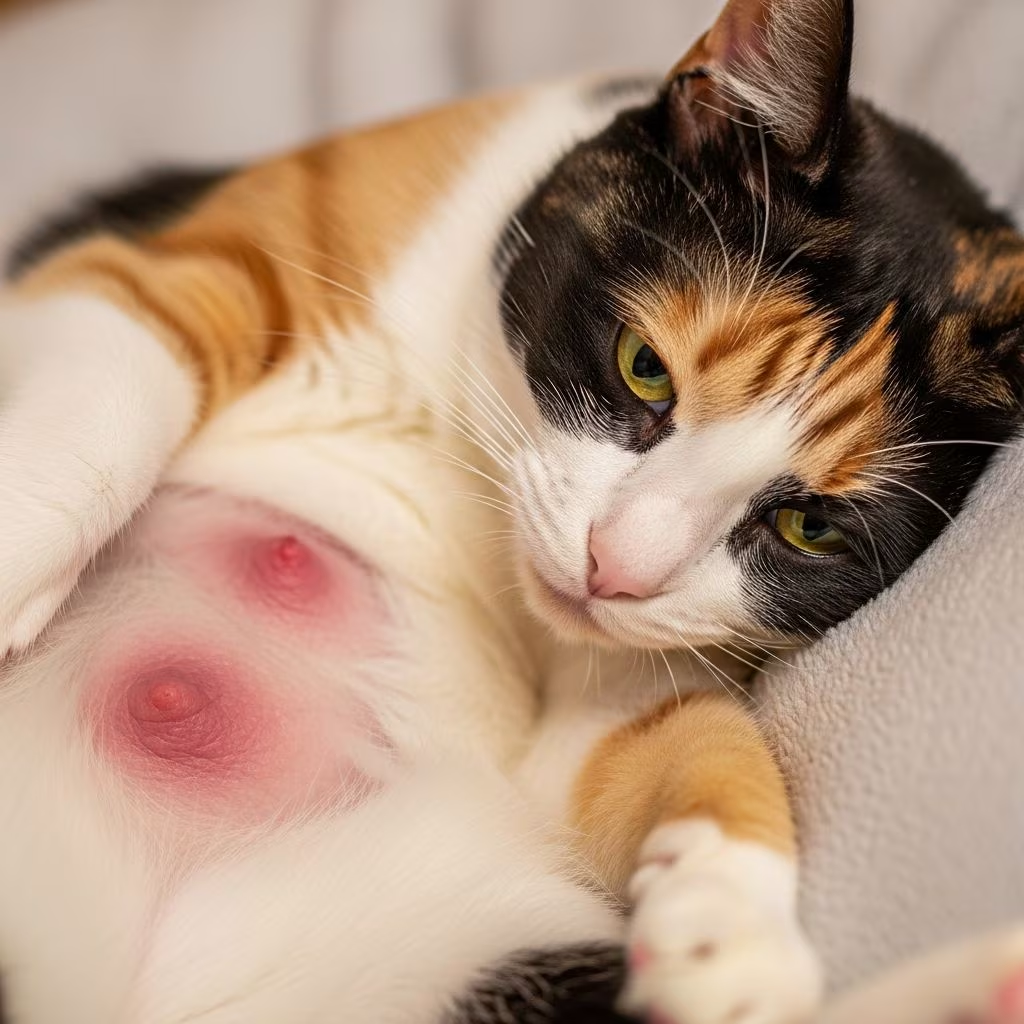
Mastitis is an inflammatory condition affecting the mammary glands of cats, primarily those that are lactating, though it can occur in others. This bacterial infection demands prompt veterinary attention to avoid severe outcomes like abscesses or systemic illness.
Understanding the Anatomy of Feline Mammary Glands
Cats possess eight mammary glands arranged in two parallel rows along the abdomen, each capable of independent function. During lactation, these glands produce milk to nourish kittens, creating an environment where bacteria can thrive if hygiene falters or trauma occurs. Knowledge of this setup helps owners identify affected areas early.
Primary Causes Behind Feline Mastitis
Several factors contribute to mastitis development in cats. Bacterial ascent through the teat canal from environmental contaminants is the leading trigger, especially in unsanitary conditions.
- Environmental Bacteria: Pathogens from dirty bedding or floors enter via open teats during nursing.
- Physical Trauma: Bites, scratches, or aggressive suckling by kittens damage tissue, inviting infection.
- Milk Stasis: Retained milk due to sudden weaning or blocked ducts fosters bacterial growth, known as galactostasis.
- Weakened Immunity: Cats with FeLV or FIV face higher risks as their defenses falter against invaders.
- Hormonal Factors: Imbalances disrupt gland function, increasing susceptibility even in non-lactating cats.
These causes often interplay, amplifying risk in queens with large litters or poor living conditions.
Recognizing Early Warning Signs
Symptoms of mastitis vary by severity but typically center on the affected glands. Owners should monitor nursing cats closely for these indicators.
| Symptom | Description | Severity Level |
|---|---|---|
| Swelling & Redness | Glands appear enlarged, warm, and discolored, often firm to touch. | Mild to Moderate |
| Pain on Touch | Cat vocalizes or recoils when gland is palpated; may prevent nursing. | Moderate |
| Discharge | Pus, blood, or clotted milk from nipple; gland may ulcerate. | Moderate to Severe |
| Fever & Lethargy | Elevated temperature, reduced activity, hiding behavior. | Severe |
| Anorexia | Refusal to eat, leading to dehydration and weight loss. | Severe |
Untreated, lumps evolve into abscesses, and discoloration may signal necrosis.
Veterinary Diagnosis Process
Diagnosis begins with a physical exam, focusing on gland inspection and temperature check. Veterinarians may aspirate fluid for cytology or culture to identify bacteria and select targeted antibiotics.
- Cytology reveals inflammatory cells and bacteria.
- Bacterial culture and sensitivity testing guide therapy, crucial for resistant strains.
- Imaging like ultrasound detects abscesses or deeper involvement.
- Bloodwork assesses systemic infection via elevated white cells.
Differentiating mastitis from tumors or galactostasis ensures accurate management.
Effective Treatment Strategies
Treatment hinges on infection severity, prioritizing antibiotics alongside supportive measures. Most cases resolve outpatient with owner compliance.
Antibiotic Therapy
Broad-spectrum options like amoxicillin-clavulanate, cefoxitin, or trimethoprim-sulfa target common pathogens. Duration spans 2-3 weeks for full resolution.
- Severe cases require IV antibiotics and hospitalization.
- Culture-based adjustments optimize efficacy and minimize resistance.
Supportive Care at Home
Warm compresses (10-15 minutes, 4x daily) reduce swelling and aid drainage. Gentle hand-milking every 6 hours promotes circulation but requires caution to avoid trauma.
Pain relief with buprenorphine or NSAIDs improves comfort, allowing nursing if safe.
Surgical Interventions
Abscesses necessitate drainage or gland removal (mastectomy) under anesthesia. Gangrenous tissue demands immediate debridement to avert sepsis.
For kittens, supplement with kitten milk replacer if the queen cannot nurse affected glands.
Potential Complications and Prognosis
Delayed treatment risks gland rupture, chronic infection, or septicemia, with mortality in extreme cases. Early intervention yields excellent prognosis, often full recovery within days.
- Abscess Formation: Pus pockets requiring surgery.
- Gangrene: Tissue death from unchecked infection.
- Sepsis: Systemic spread endangering life.
- Chronic Mastitis: Recurrent inflammation post-treatment.
Queens recover fully, resuming nursing; kittens thrive with supportive feeding.
Prevention Tips for Cat Owners
Proactive steps minimize mastitis incidence, especially for breeding cats.
- Maintain a clean, dry nesting area with frequent bedding changes.
- Monitor kittens’ suckling to prevent trauma; separate aggressive ones if needed.
- Ensure gradual weaning to avoid milk buildup.
- Spay non-breeding females to eliminate lactation risks.
- Vaccinate and test for FeLV/FIV to bolster immunity.
- Provide balanced nutrition rich in omega-3s for skin health.
Regular vet check-ups during lactation catch issues early.
Special Considerations for Nursing Mothers and Kittens
Mastitis impacts the entire litter via reduced milk or medication transfer. Safe antibiotics allow continued nursing from unaffected glands; otherwise, hand-feeding ensures kitten nutrition.
Monitor kittens for failure to thrive, dehydration, or hypothermia during maternal treatment.
FAQs on Mastitis in Cats
Can mastitis resolve without antibiotics?
Rarely; bacterial involvement typically requires medication to prevent worsening.
Is mastitis contagious to other cats?
No, but shared dirty environments can spread bacteria.
How long does recovery take?
Improvement in 48-72 hours with treatment; full recovery in 2-4 weeks.
Should I squeeze the affected gland?
Only gently under vet guidance; forceful expression spreads infection.
Can spayed cats get mastitis?
Uncommon, but hormonal or pseudopregnancy issues can trigger it.
When to Seek Emergency Care
Rush to the vet if the cat shows collapse, severe lethargy, non-stop crying, or blue/black gland discoloration. These signal life-threatening progression.
References
- Mastitis in Cats: Causes, Symptoms, and Treatment — PetCareRx. 2023. https://www.petcarerx.com/article/mastitis-in-cats-causes-symptoms-and-treatment/6899
- Mastitis in Cats: Causes, Symptoms, & Treatment — Cats.com. 2024-01-15. https://cats.com/mastitis-in-cats
- Mastitis in Small Animals — Merck Veterinary Manual. 2025-02-01. https://www.merckvetmanual.com/reproductive-system/reproductive-diseases-of-the-female-small-animal/mastitis-in-small-animals
- Mastitis in Cats — PetMD. 2024-06-10. https://www.petmd.com/cat/conditions/endocrine/mastitis-cats
- Mastitis in Cats — Pet Health Network. 2023-11-20. https://www.pethealthnetwork.com/cat-health/cat-diseases-conditions-a-z/mastitis-cats
- Mastitis in Cats — VCA Animal Hospitals. 2024-09-05. https://vcahospitals.com/know-your-pet/mastitis-in-cats
- What Is Mastitis in Cats? — WebMD Pets. 2024-03-12. https://www.webmd.com/pets/cats/what-is-mastitis-in-cats



