

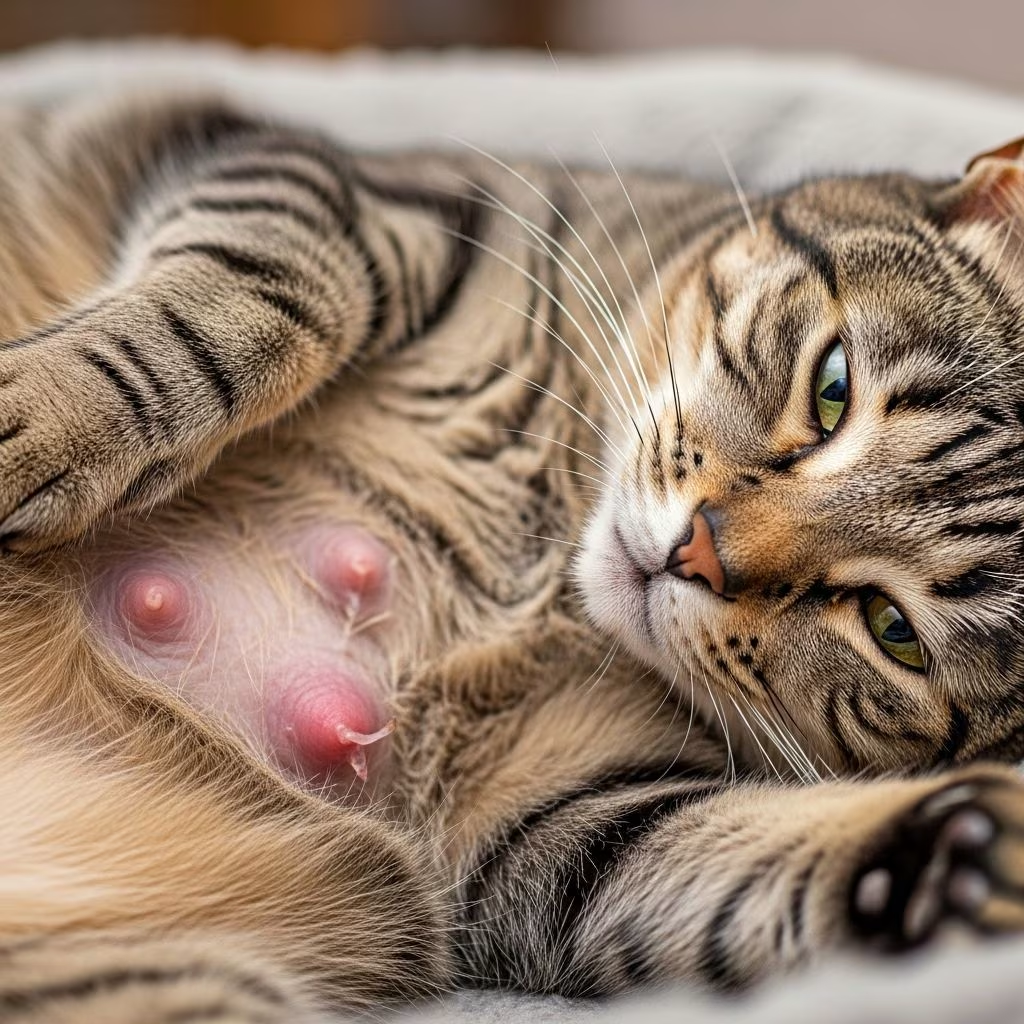
Mastitis represents a significant health concern for female cats, particularly those nursing litters. This condition involves inflammation of the mammary glands, which can lead to discomfort, infection, and potential complications if not addressed promptly. Understanding this issue is crucial for cat owners to ensure the well-being of both the mother and her kittens.
What Exactly Is Mastitis in Feline Patients?
In veterinary terms, mastitis refers to the inflammation of one or more mammary glands in cats. Cats possess eight mammary glands arranged in two parallel rows along the abdomen. When affected, these glands become enlarged, tender, and potentially infected, disrupting normal milk production and nursing.
The condition arises most frequently postpartum, during lactation, when the glands are actively producing milk. While bacterial invasion is the primary culprit, non-infectious factors can also contribute. Early recognition allows for effective intervention, minimizing risks to the queen and her offspring.
Primary Causes Behind Feline Mammary Inflammation
Several factors can trigger mastitis, with bacterial infections topping the list. Bacteria such as those from the environment enter through the teat openings, especially in unsanitary conditions. Nursing queens in damp or dirty bedding areas face heightened risk as microbes ascend into the glands.
- Bacterial Entry Points: Open teat canals during lactation provide direct access for pathogens.
- Trauma-Induced: Kitten suckling, scratches, bites, or external injuries damage tissue, creating infection portals.
- Milk Stasis: Retained or engorged milk leads to galactostasis, fostering bacterial growth without initial infection.
Other contributors include hormonal fluctuations post-weaning, compromised immunity from conditions like FeLV or FIV, and poor hygiene around the mammary area. Large litters may overstimulate glands, while small litters cause milk buildup.
Recognizing the Telltale Signs of Mastitis
Symptoms manifest rapidly, often alerting owners to seek veterinary care. Affected glands appear swollen, firm, and hot to the touch, with reddish or purplish discoloration signaling inflammation.
| Symptom | Description | Severity Indicator |
|---|---|---|
| Swelling & Hardening | Mammary glands enlarge and feel lumpy or abscessed. | Mild to severe |
| Pain on Touch | Queen flinches or cries when glands are palpated. | Common in all cases |
| Discharge | Pus, blood-tinged, or discolored milk from teats. | Infection marker |
| Systemic Signs | Lethargy, fever, anorexia, dehydration. | Advanced stage |
Kittens may fail to thrive, rejecting painful teats or showing poor weight gain. In severe instances, abscesses form, requiring drainage.
Diagnostic Approaches in Veterinary Practice
Veterinarians diagnose mastitis through physical exams, noting gland abnormalities. Cytology of milk or discharge reveals bacteria or inflammatory cells. Blood tests assess systemic involvement, while cultures identify specific pathogens for targeted antibiotics.
Imaging like ultrasound differentiates abscesses from tumors, ensuring accurate treatment plans. Early diagnosis prevents escalation to sepsis.
Effective Treatment Strategies for Affected Cats
Treatment hinges on severity and cause. Outpatient care suffices for most, featuring oral antibiotics safe for nursing queens, avoiding those passing harmfully into milk like tetracyclines.
- Antimicrobials: Broad-spectrum initially, refined by culture results; courses last weeks.
- Pain Relief: Anti-inflammatories and analgesics ease discomfort, encouraging nursing.
- Compresses: Warm applications reduce swelling and promote drainage; alternate with cool for non-septic cases.
- Milk Expression: Manual stripping every 4-6 hours clears stasis; owners learn technique under vet guidance.
Hospitalization with IV fluids and antibiotics treats systemic infections. Surgical drainage or gland removal addresses abscesses or necrosis.
Supportive care includes nutrition for the queen and hand-feeding kittens if needed. Prognosis excels with prompt care, recovery in 2-3 weeks.
Home Care Essentials During Recovery
Owners play a pivotal role post-diagnosis. Maintain cleanliness with gentle cleansing of glands using vet-approved solutions. Apply compresses as directed: soak clean cloth in warm water, wring, and hold 5-10 minutes, 3-4 times daily.
Monitor for improvement: reduced swelling, normalized milk, improved appetite. Separate kittens temporarily if nursing causes pain, supplementing with kitten milk replacer.
Preventing Mastitis: Proactive Steps for Cat Owners
Prevention focuses on hygiene and monitoring. Provide clean, dry bedding, changing frequently during lactation. Ensure balanced diet rich in nutrients for milk production.
- Regular gland checks for early swelling.
- Watch for teat trauma from vigorous kittens.
- Gradual weaning to avoid abrupt milk cessation.
- Vaccinations and FeLV/FIV testing reduce risk.
Maintain optimal environment: spacious whelping boxes, stress-free settings.
Potential Complications and Long-Term Outlook
Untreated mastitis risks abscesses, sepsis, or chronic issues like mammary tumors, especially in unspayed cats. Kittens face starvation or infection exposure.
With intervention, most queens recover fully, resuming nursing. Recurrence is rare with spaying post-lactation. Long-term, monitor for hormonal or neoplastic changes.
Frequently Asked Questions About Feline Mastitis
Can mastitis resolve without veterinary intervention?
Mild non-septic cases may improve with home compresses, but bacterial mastitis requires antibiotics to prevent worsening. Always consult a vet.
Is mastitis contagious to other cats or humans?
No, it’s not directly contagious, stemming from environmental bacteria or milk stasis rather than spread between animals.
How long does treatment typically last?
Antibiotic courses span 2-4 weeks, with supportive care ongoing until resolution. Full recovery takes 1-3 weeks.
Should kittens nurse from infected glands?
Vets often encourage gentle suckling to drain glands, but monitor for kitten distress; supplement if necessary.
Does spaying prevent mastitis?
Spaying before first heat eliminates pregnancy risk, thus mastitis; post-lactation spaying aids prevention.
Nutritional Support for Nursing Queens
High-quality kitten food meets elevated caloric needs during lactation. Ensure constant fresh water access. Omega-3 supplements may bolster immunity, per vet advice.
Table of Recommended Daily Intake:
| Life Stage | Calories/Day | Protein % |
|---|---|---|
| Non-Lactating | 200-300 | 30-40 |
| Lactating (4 kittens) | 800-1000+ | 40-50 |
When to Seek Emergency Care
Rush to the vet if the queen shows collapse, severe lethargy, refusal to eat, or kittens weakening rapidly. These signal systemic spread.
References
- Mastitis in Cats: Causes, Symptoms, and Treatment — PetCareRx. 2023. https://www.petcarerx.com/article/mastitis-in-cats-causes-symptoms-and-treatment/6899
- Mastitis in Cats: Causes, Symptoms, & Treatment — Cats.com. 2024-01-15. https://cats.com/mastitis-in-cats
- Mammary Inflammation (Mastitis) in Cats — Vetster. 2024. https://vetster.com/en/conditions/cat/mammary-inflammation-mastitis
- Mastitis in Cats — VCA Animal Hospitals. 2023-05-10. https://vcahospitals.com/know-your-pet/mastitis-in-cats
- Mastitis in Cats — Pet Health Network. 2022-11-20. https://www.pethealthnetwork.com/cat-health/cat-diseases-conditions-a-z/mastitis-cats
- What Is Mastitis in Cats? — WebMD Pets. 2024-02-05. https://www.webmd.com/pets/cats/what-is-mastitis-in-cats
- Mastitis in Small Animals — Merck Veterinary Manual. 2023-09-01. https://www.merckvetmanual.com/reproductive-system/reproductive-diseases-of-the-female-small-animal/mastitis-in-small-animals



