

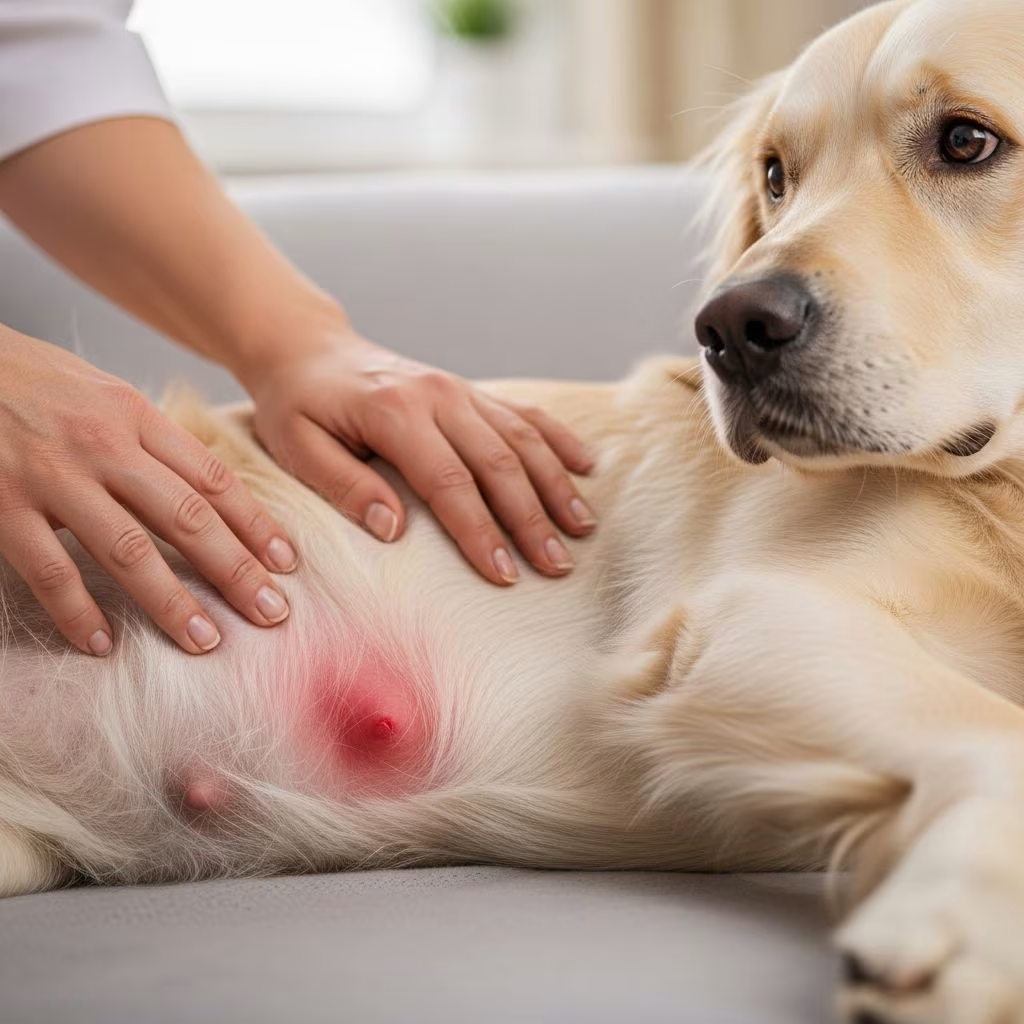
Mastitis represents a significant health concern for nursing female dogs, characterized by inflammation of the mammary glands that can rapidly progress from mild discomfort to a life-threatening condition if left untreated. This condition occurs almost exclusively in intact female dogs during lactation or immediately following pregnancy, making it a critical concern for breeders and dog owners with pregnant or nursing pets. Understanding the nature of this inflammatory response, its underlying causes, and appropriate management strategies is essential for maintaining the health and wellbeing of both mother dogs and their nursing puppies.
Defining Mastitis and Its Impact on Canine Health
Mastitis is the inflammation of mammary gland tissue resulting from various biological and environmental factors. Unlike many conditions that affect individual dogs regardless of reproductive status, mastitis primarily impacts nursing mothers and occasionally dogs experiencing false pregnancies or late-stage pregnancy complications. The condition manifests through physical changes to the mammary glands and systemic effects that can compromise both the mother’s health and her ability to feed her litter effectively.
The severity of mastitis varies considerably, ranging from localized inflammation responding well to outpatient care to severe systemic infections requiring emergency hospitalization. Understanding this spectrum of severity helps dog owners recognize when professional intervention becomes necessary and what level of care their pet may require.
Recognizing the Primary Causes of Mammary Gland Inflammation
Several distinct factors contribute to the development of mastitis in dogs, and many cases involve multiple causative elements working in combination. The most prevalent cause involves bacterial infection of the mammary tissue, with specific pathogens being particularly common culprits.
Bacterial and Infectious Agents
Research has consistently identified certain bacteria as the primary organisms responsible for infectious mastitis. The most frequently isolated pathogens include Staphylococcus species, Escherichia coli (E. coli), Streptococcus species, and enterococci. These bacteria gain entry to the mammary glands through various routes and proliferate in the nutrient-rich environment of milk accumulation. Fungal infections, while less common than bacterial causes, can also develop, particularly species such as blastomycosis and mycobacterium.
Environmental and Mechanical Contributing Factors
The physical environment surrounding a nursing mother dog plays a critical role in mastitis development. Several environmental conditions increase susceptibility:
- Unsanitary whelping boxes lacking proper cleaning and disinfection
- Damp bedding and birth sites that promote bacterial growth
- Inadequate space preventing proper rest and recovery
- Exposure to contaminated surfaces or materials
Beyond environmental factors, physical trauma to the teats creates direct pathways for bacterial invasion. Sharp edges within whelping boxes, rough bedding materials, or occasionally aggressive puppy scratching during nursing can compromise the protective barrier of teat tissue, allowing pathogenic organisms to establish infection.
Milk Stasis and Gland Dysfunction
One of the most significant non-infectious causes of mastitis involves the accumulation of milk within mammary glands, a condition termed milk stasis. This occurs through several mechanisms: when puppies die in utero or shortly after birth, milk production continues without being adequately expressed, leading to gland distension and inflammation. Sudden or forced weaning also precipitates milk backup, as lactation ceases before natural drainage occurs.
When a mother nurses a large litter, the teat canal—which serves as a primary physical barrier against bacterial invasion—remains open for extended periods. This prolonged opening increases the duration during which pathogenic organisms can ascend into the gland tissue. Additionally, the complete absence of nursing, as occurs when a dog has no puppies to feed, allows milk to accumulate indefinitely.
Clinical Presentation and Diagnostic Approaches
Mastitis manifests through observable physical signs and behavioral changes that alert attentive owners to potential problems. The presentation varies depending on the type and stage of infection.
Observable Physical Symptoms
The most readily apparent signs of mastitis involve changes to the mammary glands themselves:
- Gland swelling affecting one or multiple teats
- Heat generation in affected tissue, palpable to the touch
- Hardening of normal soft glandular tissue
- Abnormal milk appearance, including discoloration, clotting, or bloody discharge
- Teat abnormalities requiring immediate emergency care when present
These physical changes can be detected through gentle palpation of the mammary chain during routine observation.
Behavioral and Systemic Indicators
Beyond physical gland changes, mastitis produces systemic effects observable through the mother’s behavior and condition:
- Lethargy and decreased activity levels
- Loss of appetite or anorexia
- Fever and general illness appearance
- Maternal neglect or avoidance of puppies
- Reluctance to move or position for nursing
- Depression and withdrawal from normal activities
Notably, failure of puppies to gain weight may be the only observable clinical sign in subclinical or chronic cases where the mother appears relatively healthy. This occurs because reduced milk quality or quantity directly impacts nutritional intake for the litter.
Professional Diagnostic Methods
Veterinary diagnosis involves multiple assessment approaches. The primary tool is a thorough physical examination, where veterinarians assess gland appearance, temperature, firmness, and milk characteristics. Additional diagnostic methods include milk culture to identify specific causative organisms and blood work to evaluate systemic infection. Culture results guide targeted antibiotic selection and determine sensitivity to specific medications.
Distinguishing Between Mastitis Types
Veterinary literature recognizes distinct mastitis classifications based on severity and underlying mechanisms:
| Mastitis Type | Primary Characteristics | Clinical Presentation |
|---|---|---|
| Acute Mastitis | Localized gland inflammation without systemic bacterial involvement | Swollen, painful glands; possible maternal behavior changes; fever may be absent |
| Septic Mastitis | Bacterial infection with systemic involvement | Heat and pain in glands, discolored milk, fever, maternal illness, potential anorexia |
| Non-Septic Mastitis | Inflammation from non-infectious causes | Swollen glands without significant systemic illness; often occurs at weaning |
| Chronic/Subclinical Mastitis | Low-grade inflammation without obvious clinical signs | Minimal external signs; failure of puppies to thrive is primary indicator |
Treatment Strategies and Management Approaches
The therapeutic approach to mastitis depends on severity, causative organism, and whether puppies continue nursing. Treatment decisions balance the mother’s recovery needs with safety considerations for dependent puppies.
Antibiotic Therapy
Antibiotics form the cornerstone of bacterial mastitis treatment. For acute mastitis when culture results are pending, broad-spectrum antibiotics provide initial coverage against common pathogens. Medications frequently prescribed include Clavamox and cephalexin, though antibiotic selection ultimately depends on culture sensitivity results and the nursing status of any puppies. Because some antibiotics transfer into milk and may harm nursing puppies, veterinarians carefully select medications appropriate for lactating mothers.
Gland Drainage and Expression
Regular gland emptying represents a crucial non-pharmaceutical treatment component. Hand-milking performed every six hours encourages milk flow, reduces pressure within affected glands, improves circulation, and clears obstructed ducts. This mechanical expression also helps break up congested tissue that may trap bacteria. While allowing puppies to continue nursing from affected teats provides natural drainage, some mothers find this too uncomfortable, necessitating gentle manual expression by caretakers.
Comfort and Anti-Inflammatory Support
Pain management is essential for encouraging the mother’s cooperation with treatment and nursing behavior. Veterinarians may prescribe nonsteroidal anti-inflammatory drugs (NSAIDs) to reduce inflammation and manage discomfort. Thermal therapy using warm compresses applied every few hours encourages drainage and provides comfort. Some evidence supports using cold compresses to reduce inflammation and swelling in certain cases. Cabbage leaf therapy, applied directly to affected glands, may provide additional anti-inflammatory benefit.
Milk Production Modification
In cases where nursing is not occurring or must be discontinued, veterinarians may prescribe medication to reduce milk production, preventing further gland distension and bacterial substrate accumulation. This approach is particularly useful when puppies have been weaned or lost and milk continues accumulating in the gland tissue.
Severe Case Management
Cases progressing to sepsis or involving tissue necrosis require intensive management. Hospitalization enables administration of intravenous fluids and antibiotics to combat systemic infection and support cardiovascular function. Severe tissue damage may necessitate surgical intervention to remove necrotic or abscess-forming tissue. The decision to hospitalize depends on clinical deterioration, sepsis development, or failure to respond to outpatient management.
Preventing Mastitis Through Environmental and Management Practices
While some mastitis cases cannot be entirely prevented, implementing preventive measures significantly reduces incidence and severity. Prevention strategies focus on minimizing environmental contamination and physical trauma:
- Maintain scrupulously clean whelping areas with regular disinfection
- Provide dry, comfortable bedding changed frequently
- Ensure adequate space preventing overcrowding and stress
- Monitor teats regularly for trauma or early inflammation signs
- Support gradual weaning processes over several weeks rather than abrupt cessation
- Monitor litter health, recognizing early signs of puppy illness or death
- Maintain the mother’s overall health and nutrition during lactation
Understanding Prognosis and Long-Term Outcomes
The outlook for dogs with mastitis is generally favorable when diagnosed promptly and treated appropriately. Mild to moderate cases typically resolve within two to three weeks with proper treatment. The mother can often continue nursing her litter during treatment, providing continued nourishment while her glands recover.
In advanced cases with significant tissue damage or sepsis, the prognosis becomes guarded, and full recovery may not be possible. Early recognition and aggressive treatment dramatically improve outcomes, emphasizing the importance of awareness among dog owners and breeders.
When to Seek Emergency Veterinary Care
If a teat appears abnormal, immediate emergency veterinary evaluation is required. Additionally, dogs exhibiting fever, severe lethargy, anorexia, or rapid systemic deterioration need urgent assessment. Untreated mastitis can progress to potentially fatal complications including gangrene, abscess formation, and septic shock.
Common Questions About Canine Mastitis
Can mastitis transmit to humans or other pets?
Mastitis itself is not contagious to humans or other pets. However, infectious agents present in milk can transmit to puppies during nursing, potentially causing illness. Humans should maintain basic hygiene when handling affected dogs but face no direct transmission risk.
Can mastitis develop in non-nursing dogs?
Mastitis occurs almost exclusively in nursing mothers but can occasionally develop during late pregnancy stages or with false pregnancies. Dogs not currently lactating rarely develop this condition.
Is home treatment appropriate for mastitis?
While mild cases may be managed at home under veterinary supervision with prescribed medications and care modifications, mastitis requires professional veterinary diagnosis before any home treatment begins. The condition’s potential to rapidly escalate necessitates professional oversight.
How long does mastitis treatment typically require?
Uncomplicated cases often resolve within two to three weeks of appropriate treatment. Severe cases or those with complications may require extended treatment periods or hospitalization.
References
- What to Know About Mastitis in Dogs — WebMD. https://www.webmd.com/pets/dogs/what-to-know-about-mastitis-in-dogs
- Mammary Inflammation (Mastitis) in Dogs – Causes, Treatment and Prevention — Vetster. https://vetster.com/en/conditions/dog/mammary-inflammation-mastitis
- Mastitis in Dogs — VCA Animal Hospitals. https://vcahospitals.com/know-your-pet/mastitis-in-dogs
- Mastitis in Dogs – PetMD — PetMD. https://www.petmd.com/dog/conditions/endocrine/c_dg_mastitis
- Mastitis in Small Animals – Reproductive System — Merck Veterinary Manual. https://www.merckvetmanual.com/reproductive-system/reproductive-diseases-of-the-female-small-animal/mastitis-in-small-animals
- Mastitis in Dogs: Symptoms, Treatment & Prevention — Purina UK. https://www.purina.co.uk/articles/dogs/health/symptoms/mastitis-in-dogs



