

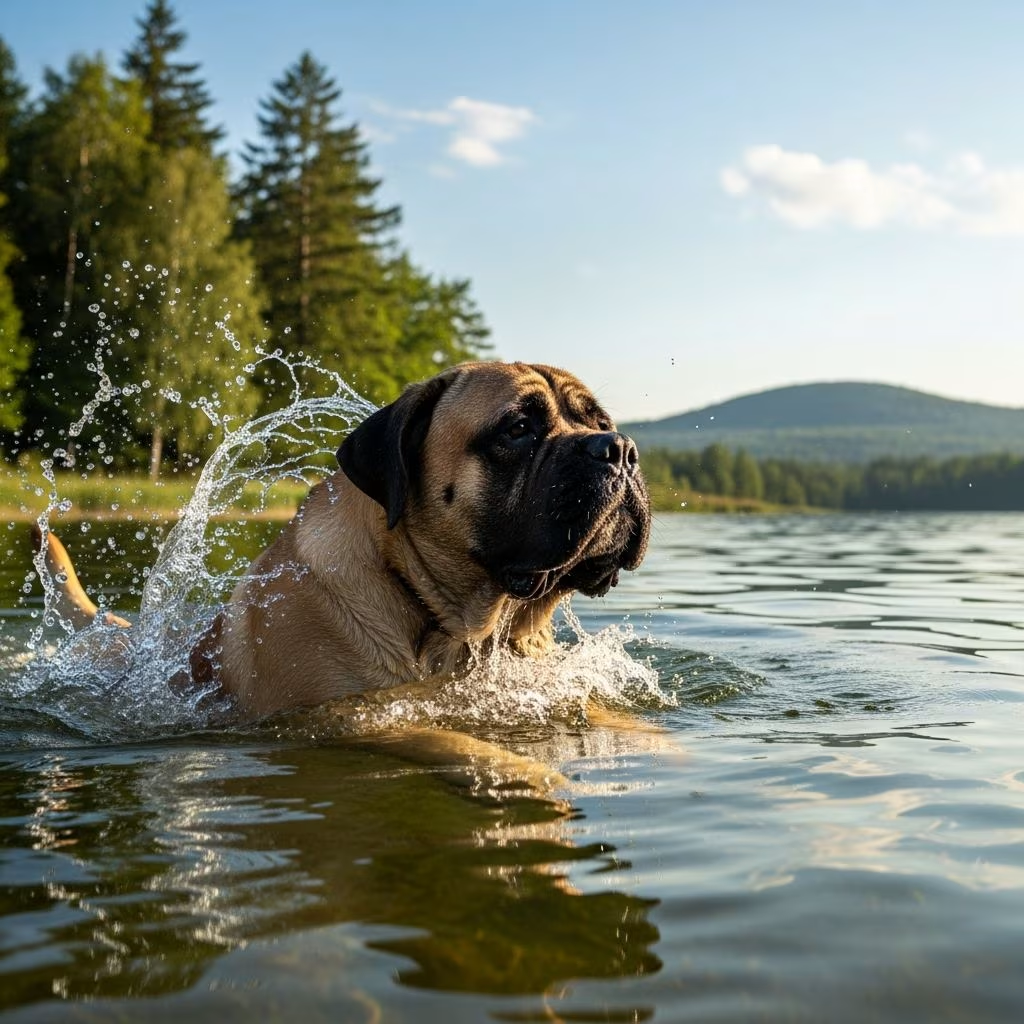
Mastiffs possess the capability to swim effectively when introduced to water through structured training starting in puppyhood, though their massive frames present unique challenges compared to water-loving breeds.
Understanding Mastiff Physical Traits in Relation to Water
Mastiffs are renowned for their imposing size and muscular build, traits honed over centuries as guard dogs rather than aquatic workers. Their broad chests, short legs relative to body mass, and substantial weight—often exceeding 150 pounds in adulthood—create higher density that hinders natural buoyancy. Unlike retrievers with webbed feet or streamlined bodies, Mastiffs must exert extra effort to stay afloat, making instinctive swimming unlikely without guidance.
These giants typically feature double coats that provide some insulation but can become waterlogged, adding resistance during paddling. Their powerful limbs, while excellent for land-based protection, translate to strong propulsion in water once coordinated properly. Early exposure helps rewire their instincts, turning potential struggle into confident movement.
Assessing Individual Swimming Aptitude Among Mastiffs
Not all Mastiffs take to water with equal enthusiasm; temperament plays a pivotal role. Some display curiosity toward shallow splashes, while others exhibit hesitation or aversion beyond drinking. Factors like age, prior experiences, and overall health influence proficiency. Puppies under six months adapt quickest, as their lighter frames and flexible joints facilitate learning before full growth sets in.
Health considerations are crucial: Mastiffs prone to hip dysplasia or joint issues benefit immensely from swimming’s low-impact nature, yet pre-existing conditions may necessitate veterinary clearance. Observing your dog’s initial reactions—such as ear positioning, tail wagging, or pawing at edges—helps gauge readiness and tailor approaches.
Step-by-Step Training Program for Water Confidence
Building swimming skills requires patience, positive reinforcement, and gradual progression to foster trust. Begin in controlled, shallow environments to minimize overwhelm.
- Introduce shallow play: Use a portable wading pool filled to ankle depth. Lure with favorite toys or treats, allowing voluntary entry. Sessions should last 5-10 minutes, ending on a high note.
- Incorporate gentle support: As comfort grows, add water incrementally. Cradle the underbelly with hands or a flotation belt, guiding natural leg motions. Natural doggy paddle emerges as front legs alternate scooping and hind legs kick steadily.
- Transition to open water: Move to calm pools or lakes with easy-access shores. Employ canine life jackets for security, reducing physical strain while building endurance. Practice 15-20 minute swims, gradually lessening assistance.
- Master entry and exit: Teach ramp usage or shore scrambles to prevent exhaustion from failed climbs. Repeat drills until instinctive.
Consistency yields results: most Mastiffs achieve basic competency within weeks, with advanced swimmers enjoying 30-minute sessions by maturity. Reward-based methods, avoiding force, ensure lasting affinity.
Health Advantages of Aquatic Exercise for Mastiffs
Swimming ranks superior for Mastiffs needing joint-friendly workouts. Water’s buoyancy alleviates up to 90% of body weight, slashing stress on hips, elbows, and spine—critical for breeds susceptible to dysplasia. Studies affirm hydrotherapy boosts muscle tone, cardiovascular endurance, and respiratory function without concussion risks inherent in running.
| Benefit | Mastiff-Specific Impact | Comparison to Land Exercise |
|---|---|---|
| Joint Relief | Reduces inflammation in dysplastic joints | Low-impact vs. high-concussion running |
| Muscle Building | 15-20x air resistance strengthens core | Full-body vs. targeted land work |
| Weight Management | Calorie burn without overweight strain | Sustainable for obese adults |
| Mental Stimulation | Novelty combats boredom | Engaging vs. repetitive walks |
Incorporate 2-3 sessions weekly, monitoring for fatigue. Overweight Mastiffs often shed pounds faster via swimming, enhancing mobility and lifespan.
Critical Safety Protocols for Water Activities
Prioritize vigilance to avert tragedies. Mastiffs’ size amplifies risks like fatigue-induced sinking or ingestion hazards.
- Constant supervision: Never leave unattended, even proficient swimmers tire quickly.
- Temperature checks: Avoid water below 75°F (24°C) to prevent hypothermia; limit sessions in extreme heat.
- Life-saving gear: Flotation vests with handles aid rescues; ramps ensure self-exit.
- Hazard scouting: Steer clear of currents, steep drop-offs, blue-green algae in freshwater, or red tide in oceans—both lethally toxic.
- Post-swim care: Rinse chlorine/salt residues to avert skin irritation; dry ears thoroughly against infections; provide fresh water to counter over-drinking risks like hyponatremia.
Recognize distress signals: thrashing, head bobbing, labored breathing, or refusal to paddle. Immediate intervention prevents near-drownings, followed by vet checks for secondary drowning—lung inflammation manifesting hours later via cough or lethargy.
Environmental Considerations for Different Water Bodies
Tailor precautions to venues. Pools demand chlorine rinses and non-slip mats; lakes risk algae blooms, identifiable by green scum—fatal via neurotoxins upon ingestion. Oceans pose saltwater poisoning from gulping waves, symptoms escalating from vomiting to seizures. Beaches warrant dead fish avoidance, vectors for toxins.
For hot tubs, absolute prohibition: scalding temperatures and drowning perils outweigh any appeal.
Frequently Asked Questions
Can all Mastiffs learn to swim regardless of age?
Puppies excel most, but adults can learn with adapted methods. Older dogs may require shorter sessions and extra support due to arthritis.
Is a life jacket essential for Mastiffs?
Highly recommended during training and for novices; their weight demands reliable flotation until skills solidify.
How often should Mastiffs swim for optimal health?
2-4 times weekly, 15-30 minutes each, balancing with rest to avoid overexertion.
What if my Mastiff panics in water?
Cease immediately, revert to shallower setups, and rebuild slowly with treats. Professional trainers aid phobic cases.
Does swimming help with Mastiff shedding?
Indirectly, via improved circulation, but regular brushing complements post-swim grooming.
Long-Term Maintenance and Progression
Sustained practice elevates Mastiffs to proficient swimmers, enjoying splashy summers. Annual vet assessments ensure joint health supports continued activity. Group classes foster socialization, turning solo dips into pack play. Monitor weight and stamina, adjusting intensity as needed.
Owners report enhanced bonds through shared water adventures, with Mastiffs craving dips on sweltering days. Patience unlocks this low-impact powerhouse, fortifying these noble guardians against sedentary pitfalls.
References
- Water Safety for Dogs 101 — Mighty Paw. 2023-06-15. https://mightypaw.com/blogs/news/water-safety-for-dogs-101
- Keep Cool & Fit: Take Your Dog for a Swim — Nulo Pet Food. 2024-05-20. https://nulo.com/blogs/tips/keep-cool-fit-take-your-dog-for-a-swim
- Water Safety for Pets — ASPCA Pet Health Insurance. 2025-03-10. https://www.aspcapetinsurance.com/resources/water-safety-for-pets/
- Splish, Splash, or Sink? The Truth About Dogs and Their Swimming — Comal Pet Hospital. 2024-08-12. https://comalpethospital.com/?p=5973
- How Well Can a Mastiff Swim? Facts & Water Safety Tips — Dogster. 2025-01-15. https://www.dogster.com/dog-health-care/how-well-can-a-mastiff-swim



