

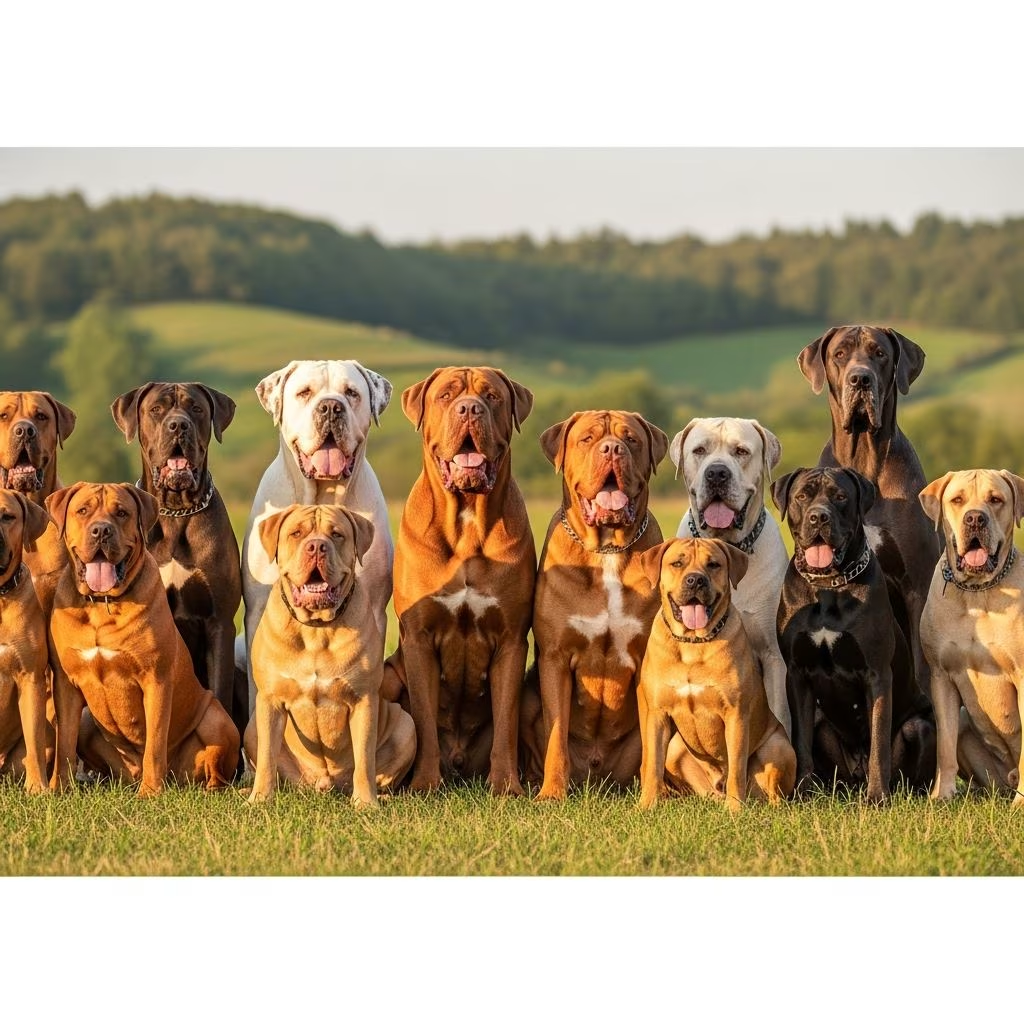
11 Mastiff Breeds for People Who Love Big Dogs
Mastiff breeds stand out for their immense size and loyal nature, making them exceptional companions for those seeking large, devoted dogs. These dogs belong to a group of working dogs known as Molossers, which have ancient origins dating back thousands of years. In addition to several different mastiff breeds, the Molosser group also includes dogs like the Chinese Shar-Pei, the Great Dane, and the Newfoundland. If you’re considering welcoming a giant mastiff into your home, understanding the various breeds, their characteristics, and care requirements is essential.
Understanding Mastiff Breeds
Mastiff breeds are characterized by their impressive size, muscular build, and generally gentle temperament. These dogs were historically bred as working animals, serving purposes such as guarding livestock, protecting property, and providing companionship to families. Their massive frames combined with their loyal and patient nature make them beloved by dog enthusiasts worldwide. Despite their intimidating appearance, most mastiff breeds are surprisingly gentle and affectionate with their families.
1. Mastiff (Old English Mastiff)
The Mastiff, also known as the Old English Mastiff, is perhaps the most iconic of all mastiff breeds. These dogs are best known for being big-boned and well-muscled with a loyal and patient disposition. Adult Mastiffs stand 27.5 inches and up, with males commonly reaching 30 inches or more. They typically weigh between 120 and 230 pounds, making them one of the largest mastiff breeds.
In the home, Mastiffs are generally patient and calm dogs, but they spring into action as soon as they perceive a threat. Their gentle demeanor makes them suitable for families with children who understand how to interact with dogs. Mastiffs are gentle giants and tend to do well with other pets, especially when introduced during puppyhood. However, they may be best in homes without younger children, who may be easily knocked down by an accidental bump from these enormous dogs.
2. Boerboel
The Boerboel (pronounced BOR-bul) is a breed from South Africa, which is why the dogs are sometimes known as South African Mastiffs. This mastiff breed is athletic and typically reaches 200 pounds in size, with a weight range of 150–200 pounds. Boerboels are known for their independent nature and require consistent training and socialization.
Plan on at least one long walk each day for your Boerboel, and don’t overlook the importance of building a strong bond through engaging training sessions. The breed’s independence means they benefit from owners who can provide firm, consistent guidance. These dogs are fiercely loyal to their families and make excellent protectors, though they require experienced handling.
3. Bullmastiff
The Bullmastiff is one of the smaller mastiff breeds, but they’re definitely not tiny dogs. These pups typically weigh 100–130 pounds when fully grown. Their smaller stature is due to their breeding: Bullmastiffs were created by crossing Mastiffs with Bulldogs, resulting in a breed that combines the protective instincts of both parent breeds.
While Mastiffs are typically known for being rather docile, the Bullmastiff requires considerable exercise and mental stimulation to be happy and healthy. This breed is more energetic than its Mastiff parent and needs regular physical activity to maintain proper weight and muscle tone. Bullmastiffs form strong bonds with their families and are known for their affectionate nature despite their powerful appearance.
4. Cane Corso
The Cane Corso, also known as the Italian Mastiff, has typical mastiff features, with a large head and muscular build. These dogs also mature on the smaller side compared to other mastiff breeds, weighing between 88 and 110 pounds on average. The Cane Corso’s more compact size makes them slightly easier to manage than their larger cousins.
In general, a Cane Corso is more serious and reserved than other mastiff breeds, but that doesn’t mean they enjoy family time any less. Cani Corsi (the proper plural of Cane Corso) thrive when they have a job to do and their favorite humans by their side. These intelligent dogs respond well to confident, experienced owners who can provide structure and purpose in their lives.
5. Presa Canario
The Presa Canario is a mastiff breed that originated from the Canary Islands off the coast of Spain and matures to a weight of around 100 pounds, typically ranging between 84–110 pounds. This breed combines the protective instincts of mastiffs with the independent spirit of working dogs. The Presa Canario’s distinctive appearance and powerful build make them an impressive presence.
Plenty of exercise and consistent training are essential for a Presa Canario. This mastiff dog is loyal and devoted to their family, but without proper lifelong socialization they can be reserved around new people. Owners should commit to ongoing socialization efforts throughout the dog’s life to ensure they remain balanced and confident in various situations.
6. Pyrenean Mastiff
The Pyrenean Mastiff sports a thick, fluffy coat instead of short and sleek fur—just like their close relative, the Great Pyrenees. This distinctive appearance reflects the breed’s heritage. The Pyrenean Mastiff typically weighs 120–190 pounds and can reach 25–31 inches in height. The extra protection from the dense coat served as valuable insulation in the breed’s homeland of the Spanish Pyrenees Mountains, where the dogs worked closely with shepherds to guard livestock.
The Pyrenean Mastiff is a relatively rare dog breed but makes an excellent family companion. The breed’s gentle nature means they can be good around kids. When cared for properly, a Pyrenean Mastiff can expect to live 8–12 years, which is about the average lifespan for giant dogs. Their thick coat does require regular maintenance to keep it healthy and mat-free.
7. Spanish Mastiff
The Spanish Mastiff was originally bred to keep livestock safe from large predators, so it’s no surprise that these large dogs typically reach between 140 and 200 pounds. Their imposing size and powerful build reflect their working heritage. The Spanish Mastiff has a strong protective instinct and was designed to work independently to guard flocks.
While the Spanish Mastiff looks somewhat similar to the Pyrenean Mastiff, the breed’s short, thick coat comes in a wider range of colors—including yellow, red, black, and fawn—and might have a brindle pattern. True to their guardian nature, the Spanish Mastiff is gentle around their trusted humans but can be aloof around new people. Early socialization is important to help them distinguish between genuine threats and everyday social situations.
8. Tibetan Mastiff
The lion-like look of the Tibetan Mastiff is their most distinguishing feature, setting them apart from other mastiff breeds. The Tibetan Mastiff has a very fluffy double coat that requires much more maintenance than short-haired mastiffs. Their thick coat also limits the dog’s tolerance for strenuous activity in hot weather. These dogs typically weigh 70–150 pounds and have a general life expectancy of 10–12 years.
Tibetan Mastiffs thrive in cold weather and snow conditions due to their heavy coat, though extreme temperatures should still be avoided. This breed is recommended for experienced dog owners who can show leadership. The Tibetan Mastiff is intelligent yet stubborn, making training somewhat of a challenge. They do best being the only dog in the home, though it’s possible to pair them with another dog of the opposite sex. Be prepared for loud barks; however, they only bark when a threat arises. With the proper training, they make loyal family members and companions.
Mastiff Breed Comparison Table
| Breed | Weight Range | Coat Type | Temperament |
|---|---|---|---|
| Mastiff | 120–230 lbs | Short, coarse | Patient, calm, loyal |
| Boerboel | 150–200 lbs | Short | Athletic, independent |
| Bullmastiff | 100–130 lbs | Short | Energetic, affectionate |
| Cane Corso | 88–110 lbs | Short | Reserved, serious, loyal |
| Presa Canario | 84–110 lbs | Short | Loyal, protective, reserved |
| Pyrenean Mastiff | 120–190 lbs | Thick, fluffy | Gentle, trustworthy, calm |
| Spanish Mastiff | 140–200 lbs | Short, thick | Gentle, aloof, protective |
| Tibetan Mastiff | 70–150 lbs | Fluffy double coat | Intelligent, stubborn, independent |
Care Requirements for Mastiff Breeds
Mastiff breeds, while generally laid-back compared to other dog breeds, still require proper care and attention. These giant dogs need regular exercise appropriate to their size and age. Unlike smaller dog breeds that might tire quickly, mastiffs require consistent physical activity to maintain healthy weight and muscle tone. However, their exercise needs must be balanced with their vulnerability to joint issues common in large breeds.
Mental stimulation is equally important for mastiff breeds. Many of these dogs were bred for working purposes and benefit from having tasks or jobs to accomplish. Training sessions, puzzle toys, and interactive games can help keep their minds engaged and prevent behavioral issues that arise from boredom.
Grooming and Coat Care
Grooming needs vary significantly among mastiff breeds. Short-coated varieties like the Mastiff, Boerboel, and Cane Corso require minimal grooming—typically just regular brushing to remove loose hair and occasional baths. However, fluffy-coated breeds like the Pyrenean Mastiff and Tibetan Mastiff require much more intensive coat maintenance, including regular brushing several times per week to prevent matting and reduce shedding.
Health Considerations
Like many large dog breeds, mastiffs can be predisposed to certain health issues. Hip dysplasia, elbow dysplasia, and heart conditions are common concerns in these giant breeds. The Tibetan Mastiff has a general life expectancy of 10–12 years, while the median age of death for the Mastiff group was 8 years with European and North American dogs also dying at this age. Regular veterinary checkups and genetic screening can help identify and manage health issues early.
Training and Socialization
Early socialization is crucial for all mastiff breeds. Exposing puppies to various people, animals, and environments helps them develop confidence and appropriate social behaviors. This is particularly important for breeds like the Presa Canario and Spanish Mastiff, which have strong protective instincts. Consistent, positive training methods work best with mastiff breeds, as they respond poorly to harsh corrections.
Frequently Asked Questions
Q: Which mastiff breed is the largest?
A: The English Mastiff is typically the largest mastiff breed, with weights reaching up to 230 pounds and heights exceeding 30 inches for males.
Q: Are mastiff breeds good with children?
A: Yes, many mastiff breeds are excellent with children, particularly the English Mastiff and Pyrenean Mastiff. However, supervision is important due to their large size, as they may accidentally knock over small children.
Q: How much exercise do mastiff breeds need?
A: Most mastiff breeds need at least one long walk daily. The Bullmastiff and Boerboel require more exercise than the English Mastiff. Exercise should be adjusted based on age, health, and individual dog needs.
Q: Are mastiff breeds suitable for apartment living?
A: Despite their large size, mastiff breeds can adapt to apartment living if they receive adequate exercise and mental stimulation. However, homes with yards are generally more suitable for these giant dogs.
Q: What’s the difference between a Mastiff and a Bullmastiff?
A: Bullmastiffs are smaller than Mastiffs, weighing 100–130 pounds compared to Mastiffs’ 120–230 pounds. Bullmastiffs were created by crossing Mastiffs with Bulldogs and require more exercise than Mastiffs.
Q: Do mastiff breeds make good guard dogs?
A: Yes, mastiff breeds have a natural protective instinct and make excellent guard dogs. They are alert to threats but are generally not aggressive unless provoked or trained to protect.
Q: How long do mastiff breeds live?
A: Most mastiff breeds have lifespans of 8–12 years. The Tibetan Mastiff typically lives 10–12 years, while English Mastiffs average around 8 years.
References
- 11 Mastiff Breeds for People Who Love Big Dogs — PetMD. 2024. https://www.petmd.com/dog/general-health/mastiff-breeds
- Mastiff (English Mastiff) Dog Breed Health and Care — PetMD. 2024. https://www.petmd.com/dog/breeds/mastiff
- Pyrenean Mastiff Dog Breed Health and Care — PetMD. 2024. https://www.petmd.com/dog/breeds/pyrenean-mastiff
- Tibetan Mastiff Dog Breed Health and Care — PetMD. 2024. https://www.petmd.com/dog/breeds/tibetan-mastiff
- Neapolitan Mastiff — PetMD. 2024. https://www.petmd.com/dog/breeds/neapolitan-mastiff
- Mastiff breed mortality: A study of owner experience, dog age at death, and veterinary-recorded health conditions in mastiffs — National Center for Biotechnology Information. 2022. https://pmc.ncbi.nlm.nih.gov/articles/PMC8379649/
- Mastiff — Britannica. 2024. https://www.britannica.com/animal/mastiff



