

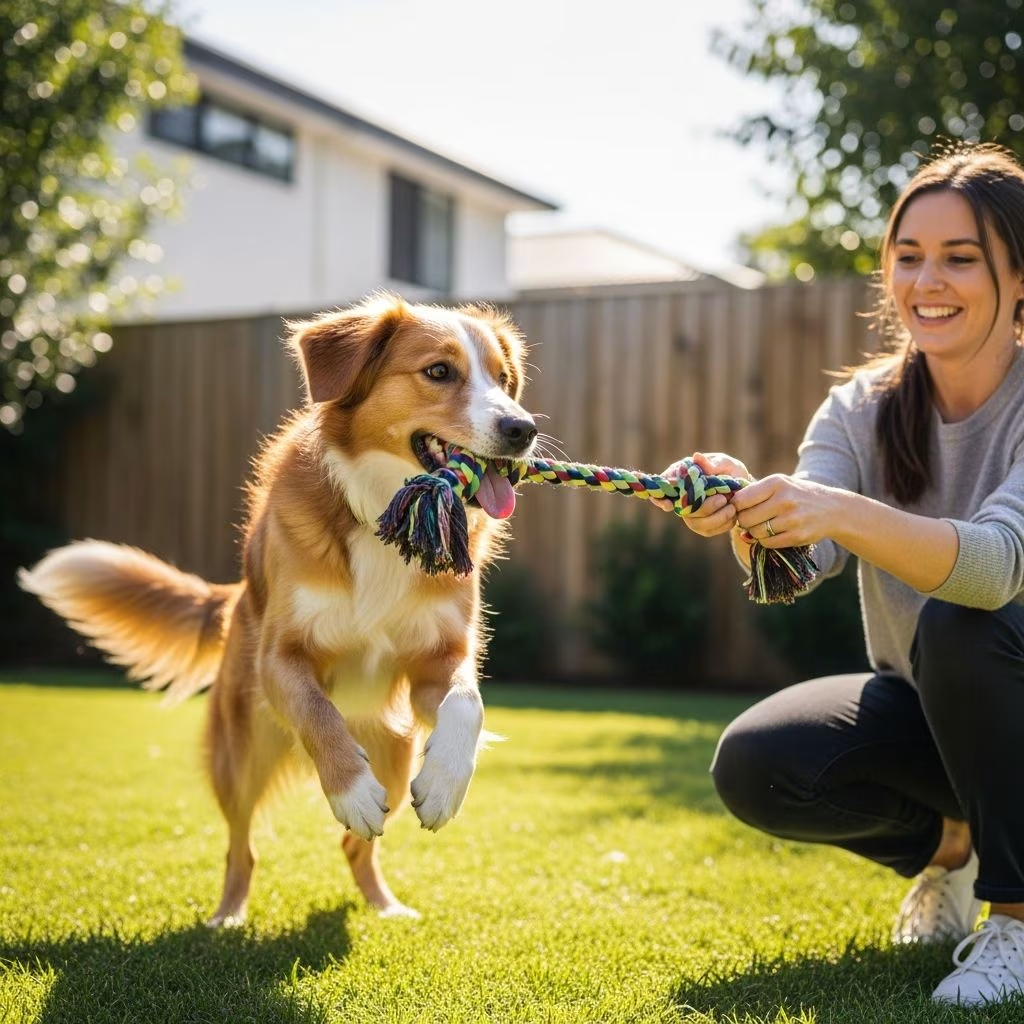
Your once-perfect puppy suddenly ignores commands, tests limits, and bursts with energy. This is dog adolescence—a natural developmental stage that mirrors human teenage years, typically spanning from 6 months to 2 years. Understanding and preparing for these changes ensures a stronger bond and a well-behaved adult dog.
Recognizing the Onset of Canine Adolescence
Dog adolescence doesn’t strike overnight; it emerges gradually as puppies transition from playful juveniles to maturing adults. Most dogs enter this phase around 6 to 8 months, though larger breeds may start later, up to 12 months. The period often lasts until 18-24 months, with full social maturity sometimes delayed in giants like Great Danes.
Physical growth spurts accompany these shifts, making dogs bigger, stronger, and more boisterous. Hormonal surges, including testosterone in males and first heat cycles in females, fuel independence and exploration. Brain development, including synaptic pruning—a process where neural connections are refined—leads to temporary ‘forgetting’ of learned behaviors.
Typical Behavioral Shifts in Adolescent Dogs
Expect a rollercoaster of changes. Your reliable pup might suddenly pull on the leash, mouth excessively when excited, or ignore recalls despite prior mastery. Common issues include:
- Selective hearing: Ignoring cues like ‘come’ or ‘sit’ during distractions.
- Boundary testing: Escaping yards, chewing furniture, or digging more aggressively.
- Social adjustments: Becoming pushy, fearful, or reactive toward other dogs and strangers.
- Energy surges: Restlessness post-exercise, leading to hyperactivity or poor settling.
- Impulse control lapses: Humping, barking, or over-arousal in play.
Males may show territorial staring or stiff posturing, while females gain assertiveness around heat cycles. These aren’t defiance but signs of maturation—patience is key.
Sex-Specific Challenges During Adolescence
| Aspect | Male Dogs | Female Dogs |
|---|---|---|
| Physical Changes | Increased muscle mass, testosterone rise | Growth spurts, first estrus (heat) |
| Behavioral Traits | Assertiveness, exploration, less friendly dog interactions | Independence, excitability, boundary pushing |
| Training Focus | Socialization with dogs, impulse control | Obedience reinforcement, spay timing discussion with vet |
Consult a vet for spaying/neutering timing, as it can influence these behaviors.
Proven Training Strategies for Teen Dogs
Training regressions are normal; persistence rebuilds reliability. Return to basics with high-value rewards like treats or toys to recapture attention. Short, frequent sessions (5-10 minutes) combat short focus spans.
- Use positive reinforcement: Reward compliance immediately to outcompete distractions.
- Practice in varied environments: Gradually increase challenges to proof commands.
- Leash management: Teach polite walking with stops and changes of direction.
- Recall games: Play ‘puppy ping-pong’ with two people calling the dog back and forth.
Consistency across household members prevents confusion. If issues persist, rule out medical causes with a vet check.
Exercise and Enrichment Essentials
Adolescents need 60-90 minutes of daily activity to burn energy and reduce mischief. Mix cardio like fetch or runs with skill-building:
- Sniffari walks: Let them explore scents to engage their nose.
- Obstacle courses: Backyard agility builds confidence and focus.
- Post-play calming: Offer frozen Kongs or chew bones to promote settling.
Mental workouts rival physical ones. Puzzle feeders, hide-and-seek, or scent games tire the brain, curbing boredom-driven behaviors.
Socialization Renewal in the Teen Phase
Prior socialization may wane; reintroduce positively. Controlled meet-and-greets with calm dogs rebuild tolerance. Avoid dog parks if reactivity emerges—opt for parallel walks instead.
For stranger fear, pair treats with exposures from a distance, closing gaps as comfort grows. Group classes provide structured practice under professional guidance.
Health Monitoring and Professional Guidance
Sudden changes warrant a vet visit to exclude pain, thyroid issues, or nutrition gaps fueling behavior. Track growth to prevent joint strain in large breeds—consider joint supplements if recommended.
Enroll in advanced obedience or reactivity classes. Certified trainers use force-free methods tailored to adolescents.
Building Long-Term Resilience
Adolescence hones adult temperament. Consistent routines foster security, while varied experiences build adaptability. Celebrate small wins to stay motivated—this phase passes, revealing a mature companion.
Frequently Asked Questions (FAQs)
When does dog adolescence typically end?
Most dogs mature by 18-24 months, though large breeds may take until 3 years.
Why does my trained puppy forget commands?
Synaptic pruning and distractions cause temporary lapses; reinforce patiently.
Should I neuter/spay during adolescence?
Discuss with your vet—timing varies by breed and health.
How much exercise is enough?
Aim for 1-2 hours daily, split into sessions with mental components.
What if behaviors worsen?
Consult a vet first, then a certified behaviorist for personalized plans.
References
- Your Adolescent Puppy and Changes to Expect — American Kennel Club (AKC). 2023. https://www.akc.org/expert-advice/health/adolescent-puppy-changes/
- Adolescent Dogs: What to Expect During Their Teenage Phase — Express Vets North Canton. 2024. https://www.expressvetsnorthcanton.com/blog/adolescent-dogs-what-to-expect-during-their-teenage-phase
- Adolescent Dogs: The Teenage Stage — DeMarinis Dog Training. 2023. https://www.demarinisdogtraining.com/blog/adolescent-dogs-the-teenage-stage
- Adolescence in Dogs — ASPCA Pet Health Insurance. 2024. https://www.aspcapetinsurance.com/resources/adolescent-in-dogs/
- Dog Adolescence: A Quick Guide for Puppy Owners — YouTube (Video). 2023. https://www.youtube.com/watch?v=txUraLKKlv0
- Canine Adolescence: The Great “Unconsidered” Life Stage — Whole Dog Journal. 2022. https://www.whole-dog-journal.com/blog/canine-adolescence-the-great-unconsidered-life-stage/



