

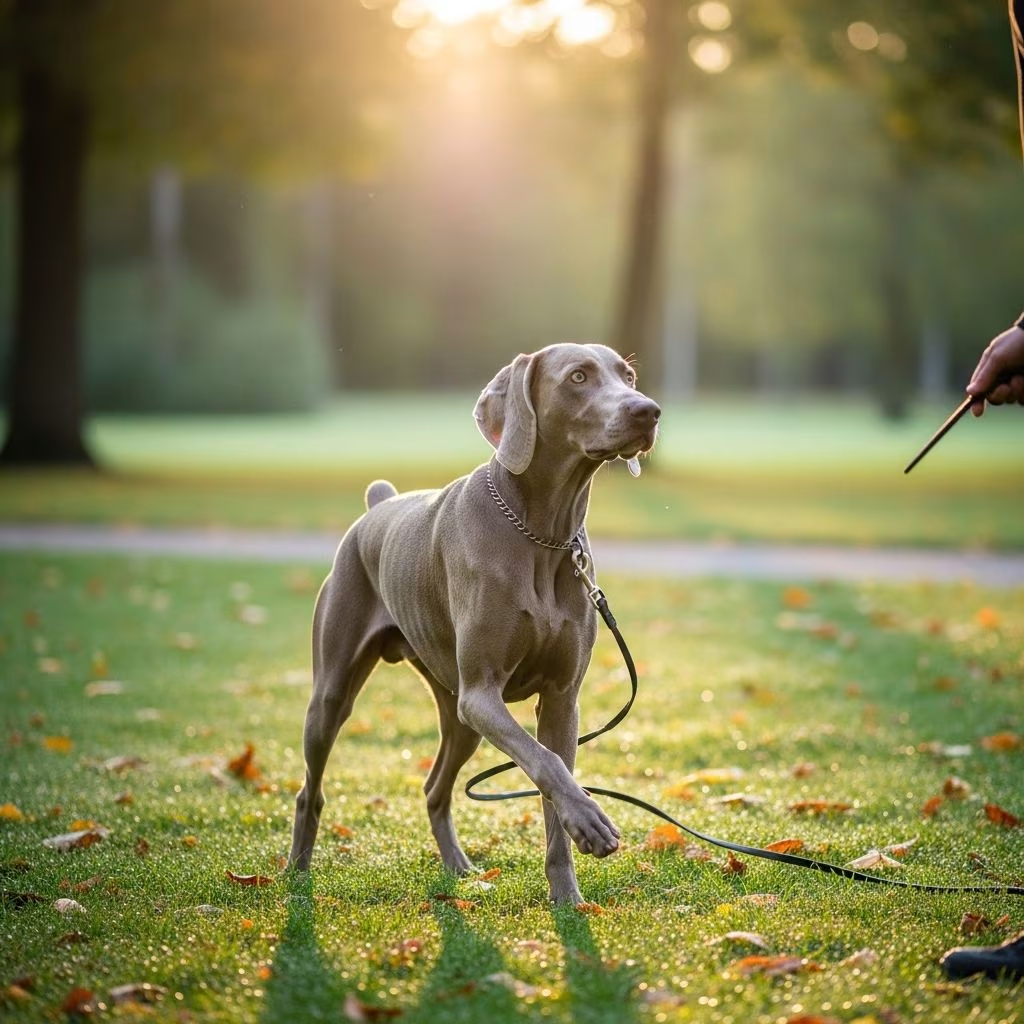
Weimaraners are renowned for their intelligence, athleticism, and striking silver-gray coat, often called the “Gray Ghost.” These versatile hunting dogs thrive on mental challenges and physical activity, making consistent training essential for a happy, well-adjusted pet. Proper training not only curbs their strong-willed nature but also fosters a deep connection between you and your dog. This guide explores foundational skills, advanced techniques, daily management strategies, and pitfalls to sidestep, drawing from established canine behavior principles.
Understanding the Weimaraner Temperament
Before diving into commands, grasp what makes Weimaraners unique. Bred in Germany during the 19th century for tracking big game, they possess boundless energy, keen senses, and a velcro-dog tendency—they prefer being by your side at all times. American Kennel Club breeders note their high drive requires daily outlets to prevent boredom-induced mischief like chewing furniture or excessive barking. Without structure, their smarts can lead to dominant behaviors, but with guidance, they excel in obedience, agility, and even therapy work.
Weimaraners mature slowly, often retaining puppy-like enthusiasm until age three. Puppies are particularly impressionable, absorbing lessons quickly but needing short, frequent sessions to match their attention span. Adults benefit from refresher drills to reinforce pack hierarchy, where you remain the calm leader.
Building a Strong Training Foundation
Start training the moment your Weimaraner joins your home. Early socialization exposes them to new sights, sounds, and people, reducing future anxiety. Aim for puppy classes or controlled park visits by 12 weeks, post-vaccinations.
Essential Gear for Success
- Collar and Leash: A flat buckle collar or martingale for puppies; avoid choke chains to prevent tracheal damage.
- Treats: Soft, pea-sized pieces of chicken, cheese, or commercial training treats for quick consumption.
- Clicker: A small device that emits a distinct “click” sound to precisely mark desired actions.
- Toys: Durable Kongs, puzzle feeders, and flirt poles to channel energy.
Schedule 10-15 minute sessions twice daily, ideally before meals when hunger motivates. End on a high note with praise to build enthusiasm.
Core Obedience Commands Every Weimaraner Needs
Master these basics first: they form the bedrock for off-leash reliability and public behavior.
1. The Sit Command
This impulse control starter redirects hyper Weimaraners. Hold a treat above their nose, lure upward so hindquarters drop naturally, then say “sit” as their bottom hits the floor. Reward immediately. Practice in varied spots—kitchen, yard, doorway—fading the lure over days. Pair with “stay” by adding hand signals: palm out, count to three before releasing.
2. Perfecting the Heel
Weimaraners pull due to excitement; heeling teaches polite walking. Use a six-foot leash, hold treats at your left hip, say “heel,” and reward steps taken parallel to your leg. If they forge ahead, stop motion until slack returns. Gradually add distractions like squirrels. Professional trainers emphasize timing: reward within three seconds for clear association.
3. Reliable Recall (Come)
Critical for safety, recall counters their hunting instinct. In a distraction-free room, say their name + “come” in a happy tone, back away excitedly, then treat lavishly. Progress outdoors on long lines. Never call for punishment—always make coming fun.
4. Down and Place
From sit, lure downward with a treat sliding along the ground. “Place” sends them to a mat or bed, teaching boundaries. Use for greetings or mealtimes.
Positive Reinforcement: The Gold Standard
Science-backed positive methods outperform punishment, boosting learning speed and confidence. Reward good choices to encourage repetition.
Treat-Based Rewards
Select high-value morsels sparingly to avoid weight gain. Deliver just as the behavior occurs, praising “yes!” or using a clicker.
Verbal and Physical Praise
A cheerful “good dog!” with pets reinforces emotionally. Weimaraners crave approval, so layer cues: command, action, click/treat, praise.
Incorporating Toys and Play
Trade sits for tug sessions or fetch throws. This tires mentally active minds, reducing destructiveness. Rotate toys to maintain novelty.
| Method | Best For | Example |
|---|---|---|
| Treats | Quick basics | Sit-stay drills |
| Praise | Emotional bond | Heel perfection |
| Clicker | Precision timing | Impulse control |
| Toys | Energy burn | Recall games |
Housebreaking and Crate Training Essentials
Weimaraner puppies need routine to master potty habits. Confine to crate when unsupervised—dogs avoid soiling dens instinctively.
- Feed on schedule: three meals daily for pups.
- Out every 1-2 hours, plus post-meal/nap/play.
- Praise + tiny treat for outdoor success; ignore accidents.
Crate as a safe retreat with bedding and toys. Gradual introduction prevents aversion. Consistency yields clean habits by 4-6 months.
Channeling High Energy Levels
Weimaraners demand 60-90 minutes daily exercise: runs, hikes, or fetch. Insufficient outlets spark zoomies or counter-surfing.
Mental Workouts
Teach tricks like spin, roll-over, or scent games. Puzzle toys dispense kibble, extending engagement.
Advanced Activities
Once basics solidify, try agility, nosework, or herding. These satisfy instincts while sharpening focus.
Addressing Common Challenges
Weimaraners nip, jump, or shadow excessively without intervention.
- Nipping: Redirect to toys; withdraw attention for persistence.
- Jumping: Turn away, reward four-on-floor.
- Separation Anxiety: Practice short absences with Kongs; desensitize gradually.
Mistakes That Undermine Progress
Avoid these traps:
- Inconsistency: Mixed signals confuse.
- Punishment: Yelling fosters fear, not understanding.
- Overlooking Exercise: Bored dogs rebel.
- Skipping Socialization: Leads to reactivity.
Training Timeline for Weimaraners
| Age | Focus Areas |
|---|---|
| 8-12 Weeks | Crate, name response, sit |
| 3-6 Months | Heel, recall, housebreaking |
| 6-12 Months | Distraction-proofing, tricks |
| Adult | Maintenance, sports |
Frequently Asked Questions
How long does it take to train a Weimaraner?
Basics in weeks with daily practice; mastery takes months of reinforcement.
Are Weimaraners hard to train?
Their intelligence aids learning, but stubbornness requires patience and positivity.
Can older Weimaraners learn new tricks?
Yes—adults respond well to consistent methods.
What if my Weimaraner ignores commands outdoors?
Increase reward value and practice in low-distraction zones first.
Is crate training cruel?
No, when introduced properly, it’s a comforting tool.
References
- Life With Weimaraners: Tips from a Breeder — American Kennel Club. 2023-05-15. https://www.akc.org/expert-advice/dog-breeding/life-with-weimaraners-tips-from-a-breeder/
- Weimaraner Dog Training: Free Tips to Stop Dog Nipping — Dog Gone Problems. 2022-08-10. https://www.doggoneproblems.com/lyly-tucker/
- Weimaraner Puppy: How to Train Puppy to Settle — YouTube (Alyssa Rose). 2012-09-02. https://www.youtube.com/watch?v=DBiYmFpeWfE
- 3 Tips To Tire Out Your WEIMARANER Puppy — YouTube (Fenrir Canine Leaders). 2023-11-20. https://www.youtube.com/watch?v=14L6vlGTeOw
- Marker Training for Weimaraner Puppies — Barrett Weimaraners. 2024-02-14. https://www.barrettweimaraners.com/marker-training-for-weimaraner-puppies/



