Mastering the U-Turn: Dog Training Essential
Transform walks with your reactive dog using the U-turn technique for calm, confident outings every time.
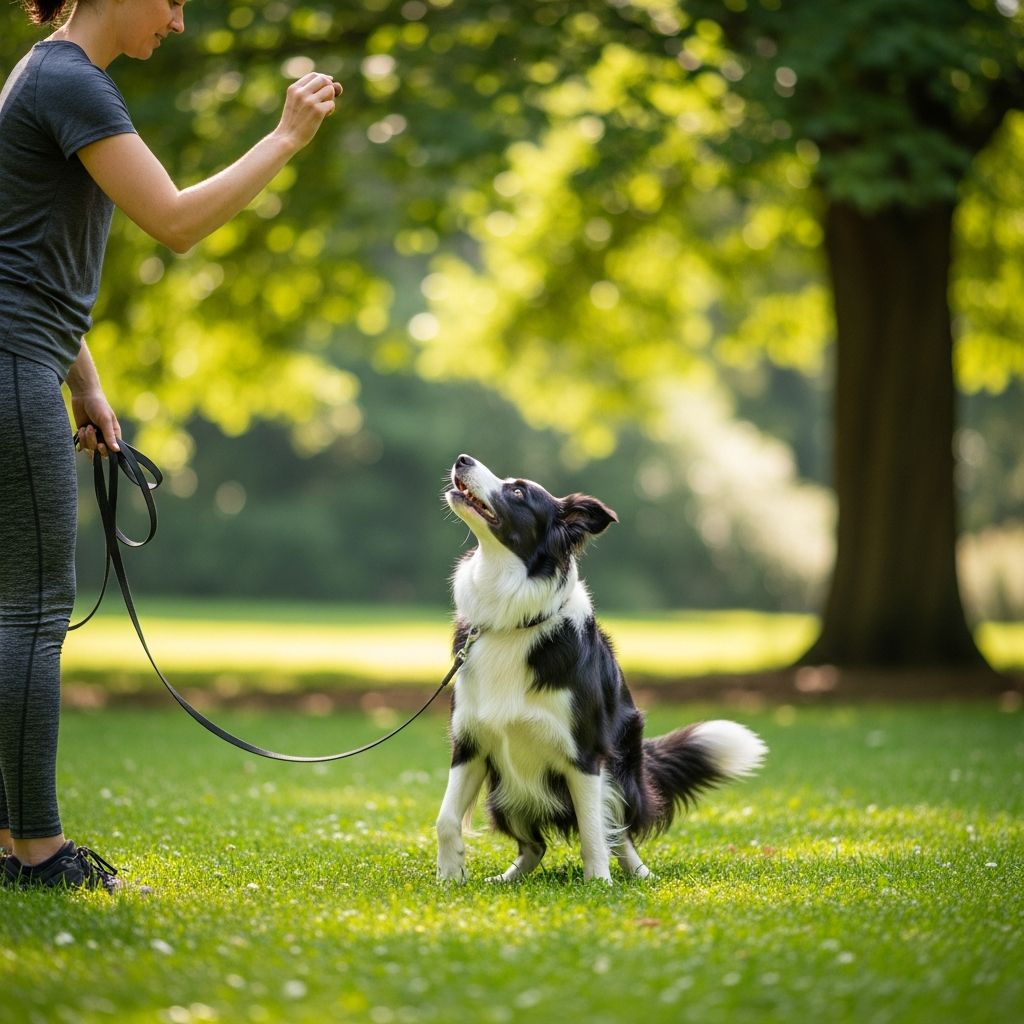
The U-turn is a game-changing skill for dog owners dealing with reactive or easily overwhelmed pets. This simple maneuver allows you to swiftly redirect your dog away from potential stressors like other dogs, loud noises, or unfamiliar people, preventing escalation into barking or lunging. By teaching this cue proactively, walks become predictable and enjoyable rather than fraught with tension.
Why the U-Turn Stands Out in Dog Training
Traditional leash corrections often heighten a dog’s anxiety, creating a cycle of reactivity. In contrast, the U-turn promotes voluntary compliance through positive reinforcement, fostering trust and focus on you as the handler. It’s particularly valuable for dogs with leash reactivity, where tension on the collar can amplify stress responses. Experts emphasize that early intervention—spotting subtle signs like ear pinning or body stiffening—enables a smooth pivot before arousal builds.
This technique aligns with modern force-free training principles, rewarding desired behaviors instead of punishing unwanted ones. Dogs learn that turning with you leads to treats and relief, associating handlers with safety and good outcomes.
Recognizing Early Warning Signs in Your Dog
Success hinges on anticipation. Watch for these precursors to reactivity:
- Stiffened posture or slowed pace
- Leaning forward or freezing
- Whale-eye (whites of eyes visible)
- Excessive sniffing or avoidance maneuvers
- Yawning, lip licking, or tense mouth
Addressing these promptly with a U-turn interrupts the stress response, teaching your dog to defer to you confidently.
Step-by-Step Guide to Teaching the U-Turn
Build this skill progressively in low-distraction settings to ensure fluency before real-world use.
Selecting Your Verbal Cue
Choose a short, upbeat phrase like “With me,” “This way,” or “Let’s go.” Consistency is key—use the same cue every time to create a clear association.
Foundation Training with Lures
Start indoors or in a quiet yard:
- Walk normally with your dog at your side.
- Say the cue cheerfully.
- Lure with a high-value treat held at nose level, guiding into a smooth U-shape turn (about 180 degrees).
- Mark success with a clicker or “Yes!” and deliver 2-3 treats while continuing a few steps.
Practice 10-15 reps per session, fading the lure as your dog anticipates the cue.
Adding Distance and Proofing
Once reliable, introduce mild distractions:
- Practice on leashes in parks.
- Vary speeds and directions randomly.
- Require eye contact post-turn for reengagement.
Aim for automatic response without physical guidance.
Real-World Integration
On walks, scan ahead 20-50 feet. At early trigger signs, cue the U-turn immediately. Reward generously to pair avoidance with positivity. If needed, chain another turn for more distance.
Advanced Techniques for Challenging Dogs
For highly reactive dogs, layer in engagement drills. After turning, use your dog’s name or a “check-in” cue to regain focus. Reward calm observation of the trigger from afar, reinforcing emotional regulation.
| Scenario | U-Turn Response | Follow-Up |
|---|---|---|
| Approaching dog sighted | Immediate cue and pivot | Reengage, treat for focus |
| Post-turn arousal lingers | Second U-turn farther away | Play or high-reward game |
| Low-level distraction | Proactive turn | Verbal praise en route |
This table outlines practical applications, ensuring versatility.
Common Mistakes and How to Avoid Them
Handlers often err by waiting too long, yanking the leash, or neglecting reengagement. These undermine trust and prolong arousal. Instead:
- Act on subtle cues, not explosions.
- Maintain loose leash—tension worsens reactivity.
- Always reset with interaction post-turn.
- Use potent rewards; kibble won’t cut it for high-drive dogs.
Benefits Beyond Reactivity Management
The U-turn enhances overall leash manners, prevents forging ahead, and turns walks into engaging games. It builds handler-dog teamwork, reducing frustration for both. Long-term, dogs generalize calm responses to novel stimuli.
For puppies, it’s a foundational loose-leash skill; for seniors, it accommodates mobility limits. Versatility makes it indispensable.
Tools and Treats for Success
Equip with:
- High-value treats (e.g., chicken, cheese).
- 6-foot standard leash (no retractables).
- Clicker for precise marking.
- Harness for comfort.
Real Owner Stories: U-Turn Transformations
Many report dramatic improvements. One handler noted their terrier mix, once leash-aggressive, now pivots eagerly at cues, enjoying longer outings. Another with a rescue shepherd halved reactive episodes in weeks through consistent practice.
Frequently Asked Questions (FAQs)
How long until my dog masters the U-turn?
Most dogs respond reliably in 1-2 weeks with daily 5-10 minute sessions, faster for food-motivated pups.
Can I use this for fearful dogs?
Yes—it’s gentle and empowers them by giving an alternative to freezing or fleeing.
What if my dog ignores the cue outdoors?
Revert to luring temporarily, increase treat value, and practice at threshold edges gradually.
Is a harness better than a collar?
Harnesses reduce neck pressure, ideal for reactive dogs prone to pulling.
Combine with other training?
Pair with counter-conditioning and LAT (Look at That) for comprehensive reactivity protocols.
Long-Term Maintenance and Progression
Once fluent, randomize cues during 20% of walks to keep skills sharp. Gradually expose to higher distractions, always under threshold. Track progress in a journal: note triggers managed successfully to celebrate wins.
Expand to “about turns” (180-degree pivot around the dog) for variety, circling while they stay put. This refines heeling and attention.
Expert Insights on Prevention
Proactive management trumps reaction. Daily U-turn drills build resilience, reducing baseline anxiety. Combine with enrichment like scent games to lower overall reactivity.
For severe cases, consult certified trainers (e.g., CPDT-KA). Patience yields confident companions.
References
- The Power of the U-Turn for Reactive Dogs — The Training of Dogs. 2023. https://www.thetrainingofdogs.com/post/the-power-of-the-u-turn-for-reactive-dogs
- Emergency U-Turn | Canine Life Skills — Positively.com. 2022. https://positively.com/dog-training/article/canine-life-skills-emergency-u-turn
- How to Train an Emergency U-Turn for Better Leash Reactivity Results — YouTube (Grisha Stewart). 2023. https://www.youtube.com/watch?v=K4oOcv-XMpM
- Walk on Loose Leash, Part 3: U-Turns — CattleDog Publishing. 2021. https://cattledogpublishing.com/blog/walk-on-loose-leash-part-3-u-turns/
- Teaching Your Dog A U Turn — YouTube (All Dogs Go to Kevin). 2022. https://www.youtube.com/watch?v=kmwamQ8-FZk
- Teach an Emergency U-Turn — Karen Pryor Academy. 2023. https://karenpryoracademy.com/teach-an-emergency-u-turn/
Similar Articles








Read full bio of medha deb