

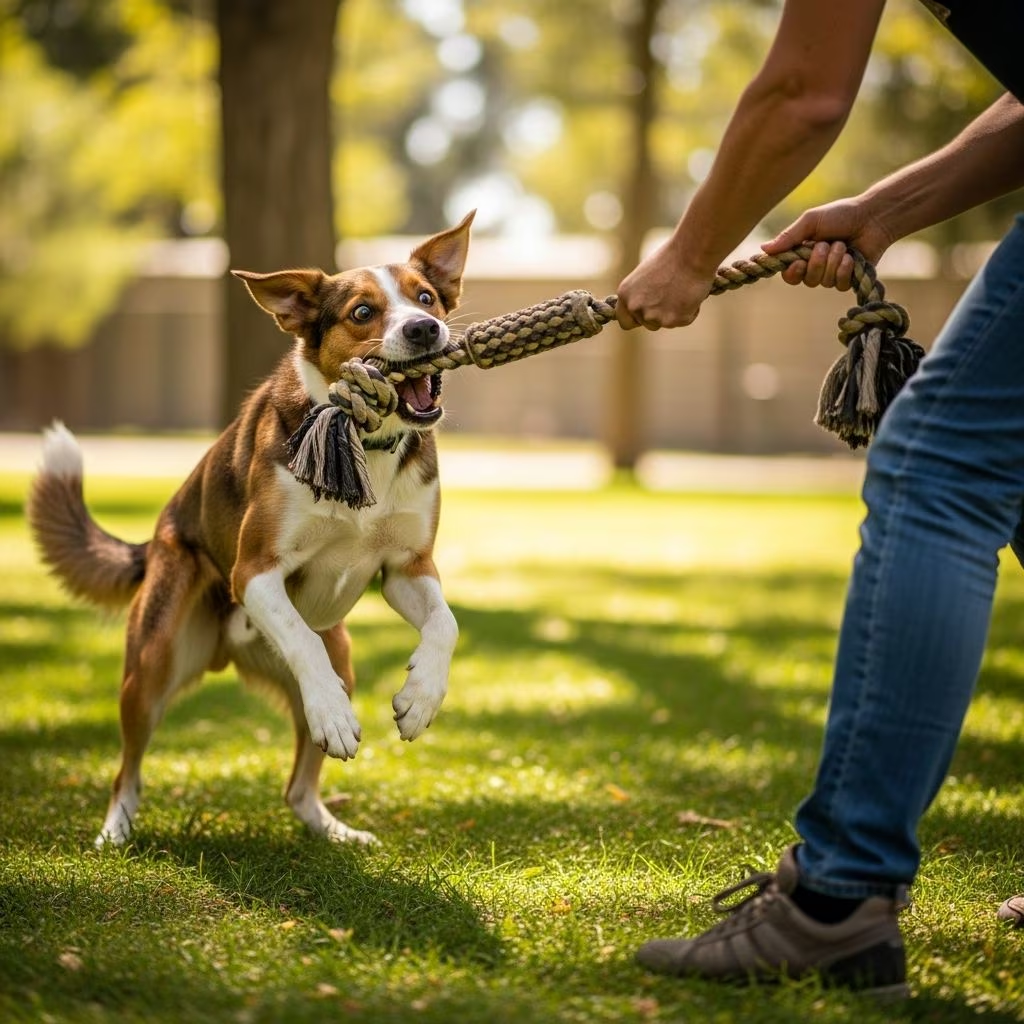
Tug-of-war stands out as one of the most engaging interactive games for dogs and their owners, offering physical exercise, mental stimulation, and a pathway to improved obedience when done correctly. Far from the outdated notion that it incites aggression, research and expert trainers affirm that structured tug play enhances a dog’s focus, drive, and responsiveness to commands. This comprehensive guide outlines foundational principles, progressive training methods, and practical strategies to ensure every session strengthens your relationship without risks.
Why Tug-of-War Benefits Your Dog’s Development
Engaging in tug taps into a dog’s natural prey drive, channeling high energy into controlled fun that mimics hunting behaviors. It builds confidence in shy dogs by rewarding engagement and helps high-drive breeds manage arousal levels effectively. Sessions improve cardiovascular fitness, reinforce bite inhibition through rules, and teach the vital skill of deferring to human cues, transitioning between excited ‘play mode’ and calm ‘thinking mode’.
Regular play under guidelines prevents frustration buildup, reducing unwanted behaviors like jumping or nipping. Trainers note that dogs who master tug often show better recall and heelwork, as the game rewards compliance with more playtime. For puppies, it gently develops jaw strength and coordination; for adults, it maintains muscle tone without overexertion.
Core Safety Principles for Every Tug Session
To maximize benefits, adhere to these non-negotiable rules that prioritize joint health, dental safety, and behavioral boundaries.
- Direction matters: Pull horizontally or side-to-side only, avoiding vertical jerks that strain necks and spines, especially in smaller or older dogs.
- Match intensity to age and fitness: Use light tugs for puppies under 6 months or seniors over 8 years to protect developing or fragile teeth and ligaments.
- No teeth on skin: Any contact with human flesh, even accidental, halts play immediately—drop the toy and disengage to underscore boundaries.
- End on your terms: Always initiate and conclude rounds, fostering respect for handler control.
- Observe body language: Permit play-growls with relaxed posture and wagging tails, but stop if stiffness, hard stares, or lunging appear, signaling potential resource guarding.
These principles transform casual pulling into a disciplined activity, minimizing injury risks reported in veterinary studies on repetitive strain.
Selecting the Perfect Tug Toy
Choose durable, floppy toys made of canvas, fleece, or rubber—avoid strings or thin fabrics that fray and pose ingestion hazards. Ideal length spans 18-24 inches for easy gripping without hand contact. Toys with handles allow safe yanking, while varied textures keep interest high. Rotate multiple toys to prevent fixation on one item, and inspect regularly for wear.
For beginners, start with soft, bite-sized options that encourage mouthing without overwhelming novice jaws. High-value toys mimic prey through erratic movement, heightening engagement without real animals.
Step-by-Step Training: Building from Basics
Introduce tug progressively using positive reinforcement, focusing on back-chaining where the ‘release’ cue solidifies first for reliable control. Divide into rounds, keeping sessions under 5 minutes to maintain focus.
Round 1: Mastering the Release
Hold treats in one hand, toy in the other. Let your dog mouth the toy, then click (or mark with ‘yes’) and treat only upon release. Repeat 5-10 times across locations until anticipation builds—your dog drops proactively for rewards. Introduce a phrase like ‘drop it’ post-click to pair verbal cue with action.
Round 2: Adding the Cue
With high-value treats ready, present the toy. Upon mouthing, say ‘drop it’ then click/treat release. Practice variably until the cue alone prompts letting go without a click.
Round 3: Introducing Tug Duration
Warm up with releases, then tug 1-3 seconds before cueing ‘drop it’. Click/treat compliance, varying timing to prevent prediction. If refusal occurs, shorten tugs or upgrade treats.
Round 4: Fading Treats for Tug Reinforcement
Tug briefly, cue release, praise, then immediately re-cue ‘take it’ for another round. Tugging itself becomes the reward, solidifying the cycle.
Round 5: Incorporating Calm Behaviors
Post-release, cue ‘sit’ or ‘down’ before resuming play. This chains relaxation after arousal, promoting self-control. Advance intensity only after consistency.
Table of Training Progression:
| Round | Focus | Duration per Tug | Reps per Session |
|---|---|---|---|
| 1 | Release on mark | 0 seconds | 5-10 |
| 2 | Verbal release cue | 0 seconds | 5-10 |
| 3 | Short tugs | 1-3 sec | 5-10 |
| 4 | Tug as reward | 2-5 sec | 5-10 |
| 5 | Calm settle + tug | 3-10 sec | 3-5 |
Reviving Engagement in Reluctant Players
If your dog ignores the toy, animate it wildly: drag sideways, smack the ground, or wave overhead teasingly to ignite chase instinct. Use ‘keep away’ by pretending to offer then yanking back, or lightly tap flanks to provoke pouncing. Leash prevents bolting, and praise every grab enthusiastically.
Tug for Specific Needs: Puppies, High-Drives, and Rescues
- Puppies: Short, gentle sessions build drive; lift off-ground briefly with praise for security.
- High-energy breeds: Vary intensity to manage over-arousal, always chaining to sits.
- Rescues/shy dogs: Start behind gates for safety, gradually closing distance as trust grows.
Supervising Children and Multi-Dog Play
Children play only with fully trained dogs under constant watch—no exceptions. Teach kids cues like ‘wait’ and ‘drop’. For multiple dogs, rotate turns to avoid jealousy-fueled scuffles.
Frequently Asked Questions (FAQs)
Does tug make dogs aggressive?
No—myths debunked by trainers; proper rules enhance control, not aggression.
How often should we play?
3-5 sessions weekly, 2-5 minutes each, adjusting for energy levels.
What if my dog won’t release?
Revert to prior training step, use better treats, or shorten tugs.
Can seniors play?
Yes, gently—benefits joints if low-impact.
Best toys for heavy chewers?
Heavy canvas or rubber with handles.
Common Pitfalls and Fixes
Avoid shoving toys in faces (causes shutdown) or predictable patterns (frustrates dogs). Fix arousal overload by inserting downs between rounds. If growling escalates, consult a force-free professional.
Integrate tug into daily routines: post-walk rewards or pre-meal energizers. Track progress in a journal for tailored adjustments.
References
- How to Calm Your Dog by Playing Tug — Karen Pryor Clicker Training. 2023. https://clickertraining.com/how-to-calm-your-dog-by-playing-tug/
- Everything You’ve Ever Wanted To Know About Tug-Of-War — Positively.com. 2022. https://positively.com/dog-training/post/enrichment-everything-youve-ever-wanted-to-know-about-tug-of-war
- Eight Rules for Playing Tug of War With Your Dog — Whole Dog Journal. 2024-03-01. https://www.whole-dog-journal.com/behavior/eight-rules-for-playing-tug-with-your-dog/
- Rules for Playing Tug with Your Dog — Ahimsa Dog Training Seattle. 2023. https://ahimsadogtraining.com/dog-tug-rules/
- Teach Your Dog The Game of Tug – Complete Beginner’s Guide — YouTube (Robert Cabral). 2022. https://www.youtube.com/watch?v=5zfoboVcXE0



