

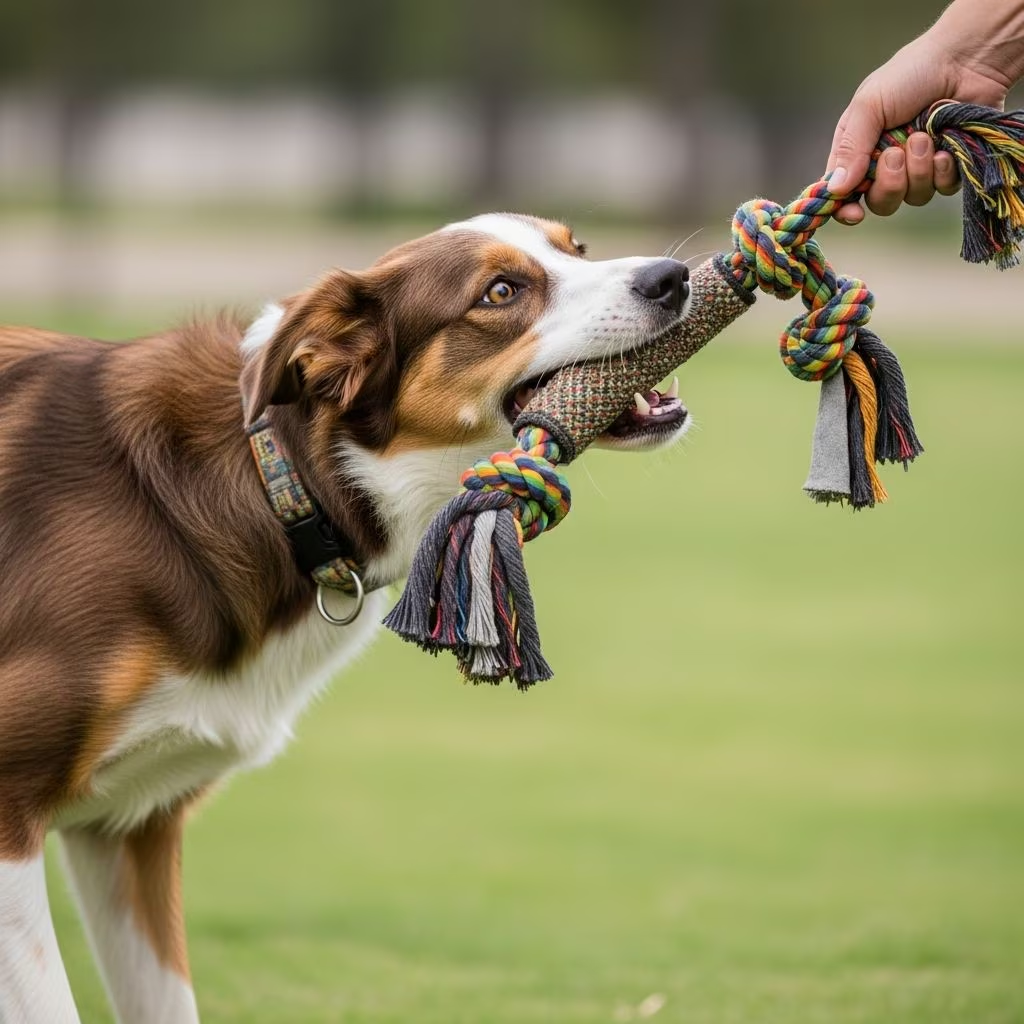
Playing tug-of-war with your dog offers more than just fun—it’s a powerful tool for building trust, improving focus, and channeling energy constructively. When done correctly, this game teaches impulse control, strengthens your communication, and provides mental stimulation that rivals formal training sessions. However, without clear rules, it can lead to overstimulation, minor injuries, or confusion about boundaries. This comprehensive guide outlines a structured approach to tug play, drawing from positive reinforcement principles to ensure safety and enjoyment for both you and your pup.
Why Tug-of-War Benefits Your Dog’s Development
Tug play taps into your dog’s natural prey drive, mimicking hunting behaviors in a controlled environment. It helps switch between high-energy ‘crazy dog’ mode and calm ‘thinking dog’ mode, fostering better emotional regulation. Research from canine behavior experts shows that structured play like tug enhances problem-solving skills and reduces frustration-based behaviors, such as destructive chewing.
For high-drive breeds like terriers or herding dogs, tug serves as an outlet for pent-up energy, preventing boredom-induced mischief. Even for calmer breeds, it boosts confidence and reinforces the human-dog bond through cooperative play. Key advantages include:
- Impulse Control: Learning to start and stop on cue builds self-regulation.
- Physical Exercise: Engages muscles safely without high-impact running.
- Mental Enrichment: Requires attention to cues, predicting play patterns.
- Relationship Building: Rewards cooperation, making you the source of fun.
Essential Safety Guidelines for Tug Sessions
Prioritize safety to avoid strains or escalations. Always use durable toys like fleece ropes or rubber tug toys designed for pulling—avoid flimsy fabrics that shred easily. Sessions should last 1-5 minutes to prevent fatigue, especially for novices.
| Factor | Recommendation | Why It Matters |
|---|---|---|
| Toy Direction | Side-to-side only | Prevents neck and spine strain from up-down pulls |
| Intensity Level | Gentle for pups/seniors | Protects developing joints and aging bodies |
| Contact Rule | No teeth on skin | Ends game immediately to set boundaries |
| Supervision | Direct for kids | Avoids accidents with unpredictable movements |
Monitor body language: loose wiggles and wagging tails signal playfulness, while stiff postures or hard stares indicate overstimulation—pause immediately if seen.
Step-by-Step Training to Introduce Tug
Begin with back-chaining: teach the ‘end’ behavior first for reliable control. This method, endorsed by clicker training pioneers, ensures your dog associates release with rewards before adding excitement.
Phase 1: Master the Release Cue
Hold treats in one hand and toy in the other. Present the toy; as your dog mouths it, say ‘drop’ or ‘out’ and click (or mark verbally) followed by a high-value treat. Repeat 5-10 times across locations until release is automatic on cue, without tugging yet.
Progress cue: Dog anticipates treat and releases promptly.
Phase 2: Add Brief Tugs
Warm up with releases, then tug for 1-3 seconds before cueing ‘drop.’ Click and treat post-release. Vary duration randomly to prevent anticipation. If refusal occurs, say ‘all done,’ hide toy, and regress a step.
Tip: Use ultra-tasty rewards like chicken or cheese to outshine the toy.
Phase 3: Build Intensity and Duration
Increase tug time to 5-10 seconds with directional changes—drag side-to-side or smack the ground to animate. Always end with release cue, praise, and immediate re-engage with ‘tug!’ to make play the reinforcer.
Fade treats gradually: after release, cue ‘sit’ or ‘down,’ then restart tug as reward.
Phase 4: Polite Starts and Advanced Chains
Teach ‘wait’: hold toy up; if grabbing, say ‘oops!’ and withdraw. Release on ‘take it!’ For advanced play, chain behaviors—tug, release, sit, tug—to promote calm resets between bursts.
Practice in varied spots: living room, yard, even on-leash walks for real-world reliability.
Handling Common Challenges in Tug Play
Over-aroused dogs may jump or nip—use barriers like baby gates initially for controlled engagement. For refusal mid-game, employ ‘keep away’: wave toy teasingly, then offer. Leash prevents bolting with the prize.
Growling is fine if playful (relaxed body), but intense vocalizations with stiffening warrant professional assessment for resource guarding. Puppies under 6 months or seniors over 10 years need vet clearance before vigorous play.
- Problem: Won’t Release – Shorten tugs, upgrade treats, or back-chain more.
- Problem: Grabs Hands – Freeze, drop toy, walk away; resume only on toy contact.
- Problem: Too Excited – Insert calm behaviors like ‘down’ between rounds.
Adapting Tug for Different Dogs and Lifestyles
Tailor intensity to your dog’s profile:
- Puppies: Ultra-gentle, 2-5 second bursts, focus on manners.
- Seniors: Slow pulls, seated play to ease joints.
- High-Energy Breeds: Longer sessions with directional variety.
- Rescue Dogs: Start barrier-separated to build trust.
Integrate into daily routines: post-meal energy burns or pre-walk warm-ups. For apartments, indoor versions minimize noise.
Advanced Techniques for Pro-Level Play
Once basics are solid, add flair: lift toy to engage rear legs (with reassurance), incorporate tricks like spins mid-tug, or use two toys for switches. Muzzle grabs or body taps build resilience playfully, always reading comfort cues.
Group play? Only with equally matched dogs under supervision, enforcing human-mediated starts/stops.
Frequently Asked Questions
Does tug-of-war make dogs aggressive?
No, when rules are followed. It channels drive positively; unmanaged play risks poor habits.
Can any dog play tug?
Most, but consult vets for joint issues. Train gradually for success.
How often should we play?
3-5 sessions weekly, 2-5 minutes each, based on energy needs.
What if my dog wins every time?
Encourage ‘wins’ via release-then-re-tug; it’s about cooperation, not defeat.
Best toys for tug?
Bungee ropes, fleece tugs—durable, soft on gums, easy to grip.
Conclusion: Elevate Your Bond Through Play
Structured tug transforms a simple pull into a training powerhouse. Consistency yields a focused, happy dog eager for your leadership. Start small, stay patient, and watch your relationship thrive.
References
- How to Calm Your Dog by Playing Tug — Karen Pryor Clicker Training. 2023. https://clickertraining.com/how-to-calm-your-dog-by-playing-tug/
- Everything You’ve Ever Wanted To Know About Tug-Of-War — Positively.com. 2022. https://positively.com/dog-training/post/enrichment-everything-youve-ever-wanted-to-know-about-tug-of-war
- Rules for Playing Tug with Your Dog — Ahimsa Dog Training. 2024. https://ahimsadogtraining.com/dog-tug-rules/
- Eight Rules for Playing Tug of War With Your Dog — Whole Dog Journal. 2023-10-01. https://www.whole-dog-journal.com/behavior/eight-rules-for-playing-tug-with-your-dog/
- How to Safely Play Tug with Your Dog — DeMarinis Dog Training. 2024. https://www.demarinisdogtraining.com/blog/how-to-safely-play-tug-with-your-dog



