

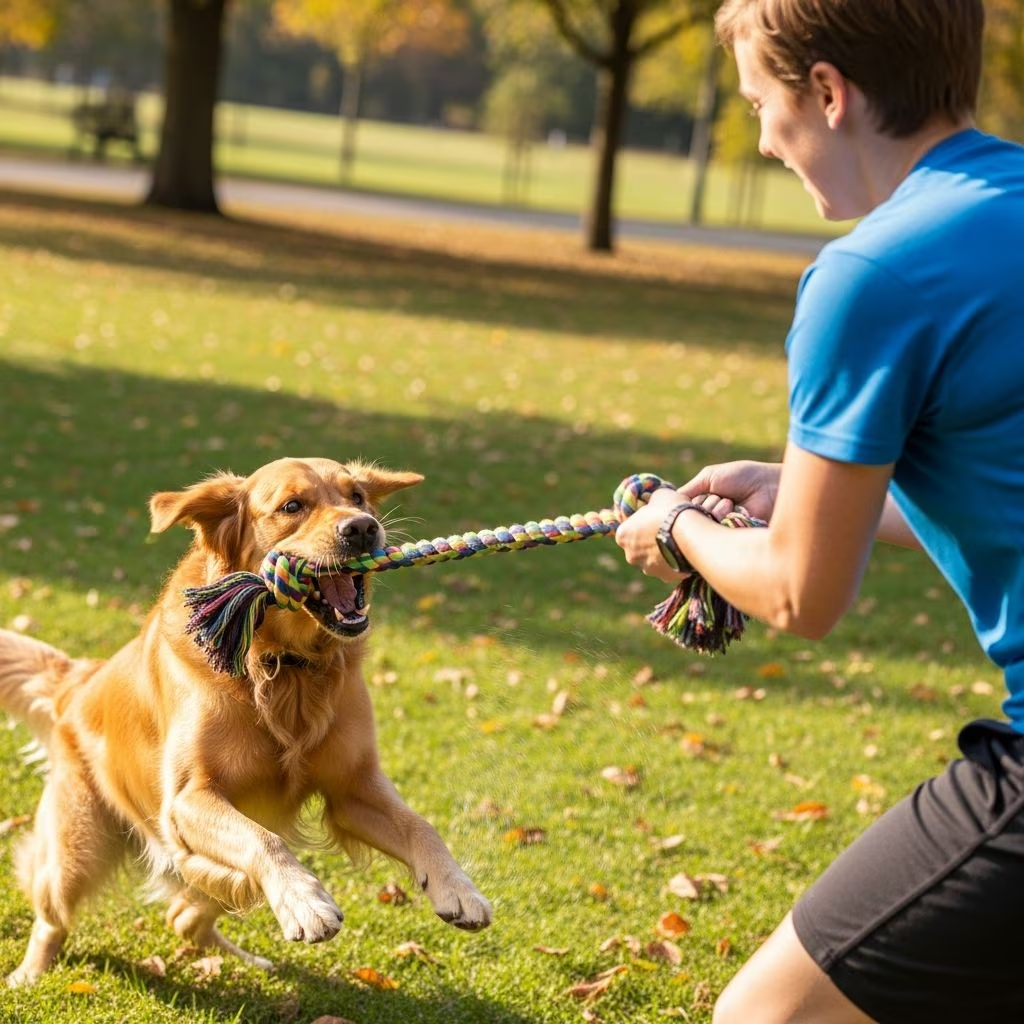
Tug-of-war stands out as one of the most engaging interactive games for dogs and their owners. When played correctly, it fosters physical exercise, mental stimulation, and a deeper human-canine connection. Far from the outdated notion that it incites aggression, modern training approaches emphasize its value in developing self-control and responsiveness. This guide outlines a comprehensive framework for introducing and refining tug play, prioritizing safety and enjoyment for dogs of all ages and energy levels.
Why Tug Deserves a Spot in Your Play Routine
Engaging in tug offers multifaceted advantages. It channels a dog’s natural prey drive into a structured outlet, helping to burn energy efficiently. Research from positive reinforcement experts highlights how tug enhances focus and obedience, as dogs learn to toggle between high-excitement states and calm compliance. For puppies, it builds confidence and jaw strength; for adults, it reinforces training foundations like ‘sit’ or ‘down’ post-play.
Physically, sideways tugging minimizes spinal stress compared to vertical pulls, making it suitable even for energetic breeds. Mentally, the game’s unpredictability sharpens anticipation skills, teaching dogs to read cues and respond promptly. Owners report improved overall behavior, with less destructive chewing as dogs satisfy their drive through sanctioned play.
Essential Safety Guidelines for Every Session
Before diving into play, establish non-negotiable safety protocols. Always opt for durable toys designed for tugging, such as rope toys or fleece tugs with secure handles. Avoid items that could fray or splinter, posing ingestion risks.
- Sideways Motion Only: Pull horizontally to protect your dog’s neck and back from hyperextension injuries.
- Adjust Intensity by Age: Gentle tugs for puppies under 6 months or seniors over 8 years; ramp up for healthy adults.
- Monitor Arousal: Watch for signs of over-excitement like stiffening or redirected nipping, pausing immediately if observed.
- No Teeth on Skin: Any contact with human skin halts the game—drop the toy and disengage.
These measures ensure tug remains a positive experience, preventing mishaps that could erode trust.
Building the Foundation: Teaching Core Commands
Success hinges on two pivotal skills: polite engagement and reliable release. Begin in low-distraction environments with high-value rewards to set dogs up for achievement.
Instilling the ‘Wait’ Habit
Present the toy while saying ‘wait.’ If your dog lunges, tuck it away with a neutral ‘oops’ and retry. Persistence yields a calm hold where you control access. Once steady, cue ‘take it’ and offer the toy proactively. Practice across sessions builds impulse control, transitioning dogs from frantic grabbers to patient partners.
Mastering the Release Cue
Back-chaining proves highly effective here: click and treat for toy release before introducing verbal markers like ‘out’ or ‘drop’. Start with immediate reinforcement post-cue, gradually extending tug duration to 1-3 seconds. If refusal occurs, revert to basics or upgrade treats. Consistency transforms release into a reflex, paving the way for advanced chaining.
Pro Tip: Vary session lengths unpredictably to curb anticipation of extended play, maintaining composure.
Step-by-Step Training Progression
Structure sessions in progressive rounds, each layering complexity while reinforcing prior lessons. Aim for 5-10 reps per round, spanning multiple days and locations for generalization.
| Round | Focus | Key Actions | Duration Goal |
|---|---|---|---|
| 1 | Release Basics | Click/treat on toy mouth contact, add verbal cue | Instant |
| 2 | Cue Association | Say cue, click post-release, reward | 1 second |
| 3 | Controlled Tug | Tug briefly, cue release, reinforce | 1-3 seconds |
| 4 | Intensity Build | Warm-up, vary tug, fade treats via re-engage | Up to 10 seconds |
| 5 | Calm Integration | Post-release, cue sit/down before replay | Variable |
This table encapsulates a scalable blueprint, adaptable to individual temperaments.
Advanced Techniques for Dynamic Play
Elevate sessions with movement and teasing to ignite drive. Jerk the toy side-to-side or smack it groundward, mimicking prey to provoke chase instincts. For reluctant engagers, employ ‘keep away’ by dangling and retracting, or gentle body taps to spark interest.
Leash integration aids boundary enforcement during early stages, preventing disengagement. Muzzle play—light grasps during tug—further desensitizes and bonds, provided it’s consensual. Always prioritize play-growls (loose body, wagging tail) over tense vocalizations signaling discomfort.
Special Considerations for Puppies and Seniors
Puppies thrive on short, uplifting bursts: lift gently during tugs with verbal praise to boost security. Limit to 1-2 minute sessions, focusing on fun over endurance. Seniors benefit from ultra-soft tugs, emphasizing joint-friendly sideways pulls and immediate releases to avoid strain.
Monitor for fatigue; their play should invigorate, not exhaust. Both groups gain immensely from tug’s low-impact cardio and cognitive perks.
Integrating Tug into Broader Training
Tug excels as a reinforcer for obedience chains. Post-release, cue a position like ‘down,’ then re-present the toy—tugging becomes the jackpot. This limbic-to-cerebral switch hones real-world reliability, applicable to walks or recalls.
For high-drive dogs, precede walks with tug warm-ups to dissipate energy, yielding calmer outings. Track progress: reliable releases in 90% of trials signal mastery.
Common Pitfalls and Fixes
- Over-Arousal: Shorten tugs, insert calm behaviors.
- Guardy Growls: Consult pros; opt for barriers like baby gates.
- Refusal to Release: High-value swaps or session ends.
- Kids Involved: Supervise strictly with rule-proficient dogs only.
FAQs
Does tug make dogs aggressive?
No—myths debunked by trainers; proper rules enhance control.
Best toys for tug?
Ropes, fleece; ensure handles for grip sans hand contact.
How often to play?
2-3 daily sessions of 5 minutes, adjusting per energy.
What if my dog nips during play?
End game immediately; reteach with barriers if persistent.
Can all dogs play tug?
Most, with adaptations; assess via pro for reactivity cases.
References
- How to Calm Your Dog by Playing Tug — Karen Pryor Clicker Training. Accessed 2026. https://clickertraining.com/how-to-calm-your-dog-by-playing-tug/
- Everything You’ve Ever Wanted To Know About Tug-Of-War — Positively.com. Accessed 2026. https://positively.com/dog-training/post/enrichment-everything-youve-ever-wanted-to-know-about-tug-of-war
- Eight Rules for Playing Tug of War With Your Dog — Whole Dog Journal. Accessed 2026. https://www.whole-dog-journal.com/behavior/eight-rules-for-playing-tug-with-your-dog/
- Rules for Playing Tug with Your Dog — Ahimsa Dog Training. Accessed 2026. https://ahimsadogtraining.com/dog-tug-rules/
- Teach Your Dog The Game of Tug – Complete Beginner’s Guide — YouTube (Dog Training Video). Accessed 2026. https://www.youtube.com/watch?v=5zfoboVcXE0



