

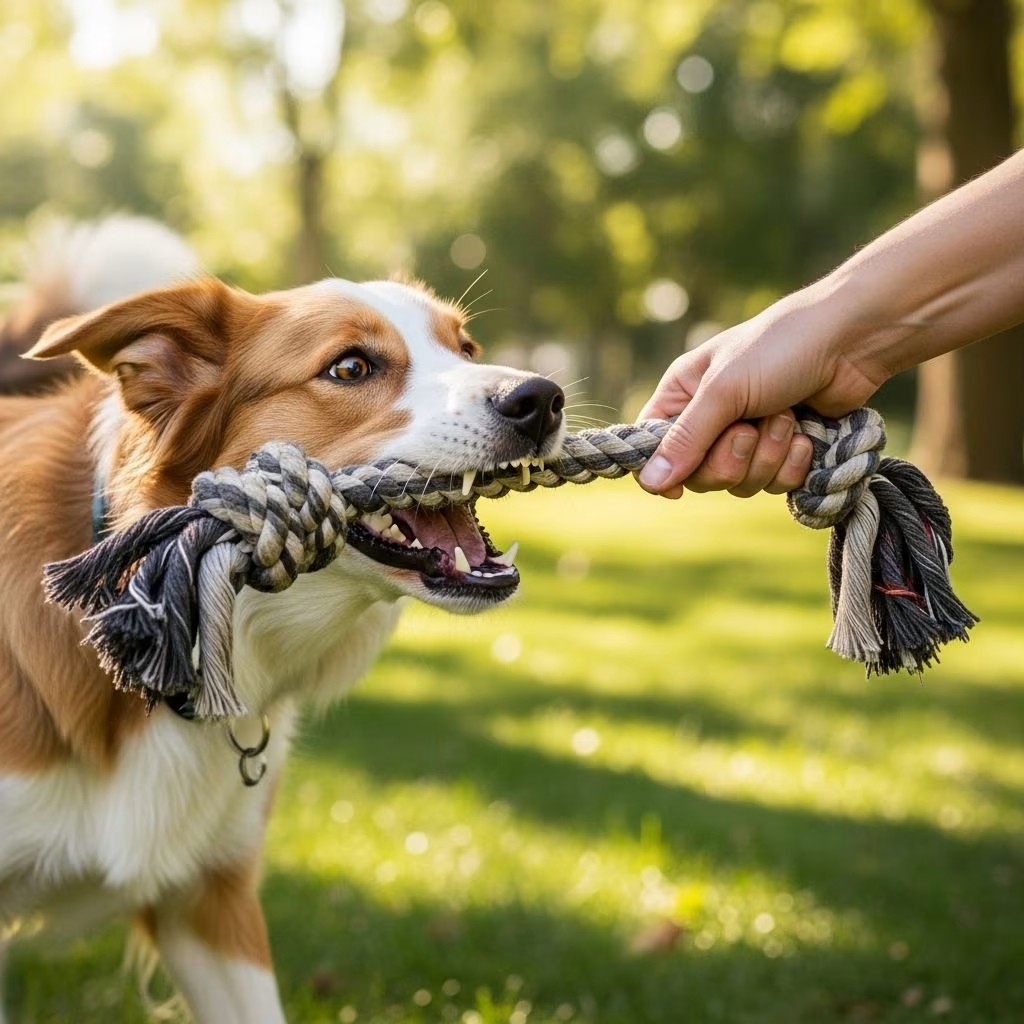
Engaging your dog in tug play offers a dynamic way to exercise their body and mind while strengthening your relationship. When done correctly, this interactive game teaches essential skills like self-control and reliable responses to commands, all wrapped in high-energy fun.
Why Tug Deserves a Spot in Your Play Routine
Tug play transcends simple entertainment; it serves as a powerful training tool. Dogs thrive on structured activities that mimic natural predatory behaviors in a controlled environment. This game helps channel their energy productively, reducing unwanted behaviors stemming from boredom or excess vigor.
- Enhances physical fitness through pulling and chasing motions.
- Develops mental sharpness by requiring focus amid excitement.
- Fosters trust between handler and dog via clear communication.
Professionals note that tug builds confidence, particularly for shy or under-socialized dogs, by rewarding bold engagement with positive outcomes.
Essential Guidelines for Safe and Effective Tug Sessions
To maximize benefits and minimize risks, adhere to core principles that prioritize safety and learning. These rules ensure the game remains enjoyable without encouraging poor habits like mouthing or ignoring cues.
| Rule | Purpose | Implementation Tip |
|---|---|---|
| Side-to-side motion only | Prevents spinal strain | Avoid up-and-down pulls; match dog’s energy level |
| No teeth on skin | Maintains bite inhibition | End game immediately if contact occurs |
| Start on cue | Teaches impulse control | Use ‘Take it!’ before offering toy |
| Release on command | Builds reliability | Reward with treats or resumed play |
| Incorporate breaks | Promotes calm transitions | Pause for sits or downs between rounds |
Following these prevents injuries and reinforces that play happens on your terms.
Choosing the Perfect Tug Toy
Select toys designed for durability and grip. Soft rope toys with knots or fabric flaps work best, allowing firm holds without hand strain. Avoid items that fray easily or resemble household objects, which could confuse boundaries.
- Length: 2-3 feet for easy handling.
- Material: Sturdy fleece, rubber, or knotted paracord.
- Size: Proportional to dog’s breed and jaw strength.
For puppies, opt for gentler fabrics to protect emerging teeth. Test toys by tugging vigorously yourself to ensure they withstand pressure.
Step-by-Step: Teaching Tug from Scratch
Begin with low arousal to set a strong foundation. Gradually increase intensity as your dog masters each phase.
- Introduce the toy: Wave it enticingly on the ground, using quick jerks to animate it. Say ‘Take it!’ as they engage.
- Gentle tugs: Pull lightly side-to-side, keeping sessions under 10 seconds initially.
- Teach release: Say ‘Drop!’ and present a high-value treat at nose level. Reward instantly upon compliance, then resume play.
- Add pauses: After a few tugs, cue a ‘Sit’ and praise calm behavior before restarting.
- Build duration: Extend playtime as reliability grows, always ending on a high note.
This progression turns reluctant players into enthusiastic participants while embedding obedience.
Tailoring Play to Your Dog’s Age and Temperament
Adjust intensity based on life stage. Puppies under 6 months need ultra-gentle sessions to safeguard teeth and joints—think light pulls and frequent breaks. Seniors benefit from slow, soothing tugs that provide mental stimulation without physical overexertion.
For high-drive breeds like Terriers or herders, incorporate teasing motions: drag the toy erratically, smack it on the floor, or wave it overhead to ignite chase instinct without frustration. Nervous dogs may start with you holding still, letting them initiate pulls to build security.
Monitor body language: loose wags and play bows signal joy; stiff postures or hard stares warrant a pause.
Advanced Variations to Keep Things Fresh
Elevate basic tug into skill-building adventures. These twists integrate obedience, endurance, and creativity.
- Impulse challenges: Cue ‘Leave it’ mid-tug, rewarding waits before re-engagement.
- Teamwork tugs: Use two handlers or a second toy for multi-dog play under supervision.
- Movement games: Incorporate spins, backs, or directional cues while holding the toy.
- Keep-away fun: Pretend to offer then yank away, building anticipation safely.
Such variations prevent boredom and sharpen focus amid arousal.
Common Mistakes and How to Avoid Them
Many owners unwittingly sabotage sessions. Yanking too hard vertically risks neck injuries. Ignoring releases fosters resource guarding. Over-excitement without cooldowns leads to jumping or nipping.
Solution: Always prioritize rules over winning. If arousal spikes, drop the toy and step away calmly. Resume only when composure returns. Children should play only with fully trained dogs and adult oversight.
The Science Behind Tug’s Training Power
Tug toggles dogs between high-adrenaline ‘limbic’ states and thoughtful ‘cerebral’ modes, enhancing self-regulation. It reinforces that human skin is off-limits while celebrating toy-directed enthusiasm. Studies and trainers affirm it boosts confidence without aggression risks when rules-bound.
Integrating Tug into Daily Training
Use tug as a reward for walks, recalls, or heelwork. Short bursts energize routines; post-session calm reinforces good habits. Track progress: aim for instant drops and seamless cue responses within weeks.
Frequently Asked Questions
Is tug safe for all dogs?
Yes, with modifications for age and health. Consult vets for joint issues.
Does tug make dogs aggressive?
No—myths debunked; it teaches control when played right.
What if my dog won’t release?
Use treats initially, fade to verbal rewards. Practice daily.
Can puppies play tug?
Gently from 8 weeks, focusing on soft toys.
How long should sessions last?
1-5 minutes, multiple times daily, based on dog’s stamina.
Conclusion: Tug Your Way to a Better Bond
Embrace tug as a cornerstone of joyful, effective dog ownership. Consistent practice yields a responsive, happy companion ready for life’s adventures.
References
- Tug of War: How to Get Training Value Out of a Game — Catch Dog Trainers. 2022-06. https://catchdogtrainers.com/wp-content/uploads/2022/06/Tug-of-War-How-to-Get-Value-Out-of-a-Game.pdf
- Everything You’ve Ever Wanted To Know About Tug-Of-War — Positively.com. N/A. https://positively.com/dog-training/post/enrichment-everything-youve-ever-wanted-to-know-about-tug-of-war
- Eight Rules for Playing Tug of War With Your Dog — Whole Dog Journal. N/A. https://www.whole-dog-journal.com/behavior/eight-rules-for-playing-tug-with-your-dog/
- Rules for Playing Tug with Your Dog — Ahimsa Dog Training. N/A. https://ahimsadogtraining.com/dog-tug-rules/
- How To Play Tug With Your Dog — Blue Cross (YouTube). N/A. https://www.youtube.com/watch?v=vvStUS1pgOk



