

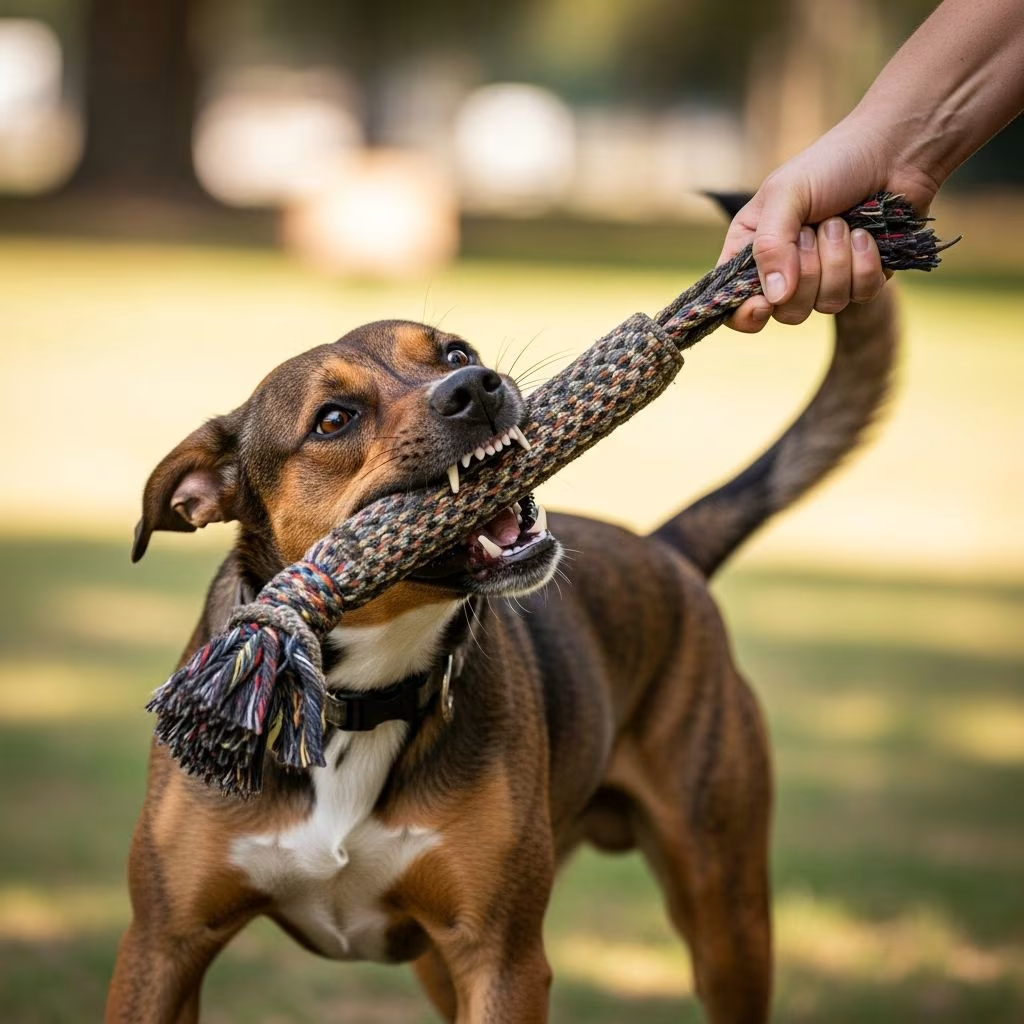
Tug-of-war stands out as one of the most effective interactive games for dogs, offering a blend of physical exertion, mental challenges, and relationship-building opportunities. Far from being just playful pulling, structured tug sessions teach essential skills like self-control and obedience while channeling a dog’s natural instincts productively.
Why Tug Games Transform Dog Ownership
Engaging in tug play regularly can significantly elevate your dog’s overall well-being. This activity taps into predatory drives, providing an outlet for energy that might otherwise lead to destructive behaviors. Professional trainers emphasize that tug is not only fun but also a cornerstone for positive reinforcement training.
Research from veterinary behaviorists highlights how play like tugging reduces stress hormones and promotes endorphin release, leading to calmer pets at home. Dogs that participate in consistent tug routines often show improved focus during walks and better responses to commands.
Core Advantages of Incorporating Tug into Daily Routines
- Deepens Emotional Connections: The cooperative nature of tug fosters trust, as dogs learn to engage with their owners in a predictable, rewarding manner.
- Enhances Mental Sharpness: Dogs must anticipate movements, respond to cues, and adjust pressure, keeping their cognitive functions active.
- Delivers Intense Workouts: Short bursts of tugging engage multiple muscle groups, ideal for high-drive breeds needing quick exercise sessions.
- Boosts Training Efficacy: Use tug as a high-value reward to reinforce sits, stays, and recalls, making lessons enjoyable.
- Builds Self-Assurance: Timid dogs gain victories in the game, translating to greater boldness in new environments.
These benefits align with findings from animal behavior studies, where play-based activities correlate with fewer anxiety-related issues.
Choosing the Perfect Tug Toys for Safety and Durability
Selecting appropriate equipment is crucial to prevent injuries and maximize enjoyment. Opt for toys made from sturdy materials like thick rope, reinforced rubber, or bungee fabrics that withstand aggressive pulling without fraying quickly.
| Toy Type | Best For | Key Features | Safety Notes |
|---|---|---|---|
| Rope Toys | Puppies & Adults | Knots for grip, soft on gums | Inspect for wear regularly |
| Bungee Tugs | High-Energy Dogs | Shock absorption, extends play | Avoid if dog has neck issues |
| Rubber Handles | Training Sessions | Easy human hold, chew-resistant | Clean after outdoor use |
| Fleece Tails | Sensitive Mouths | Soft material, lightweight | Not for heavy pullers |
Always supervise play and replace toys showing signs of damage to avoid choking hazards. Tethered options allow solo play, but interactive versions yield the most training value.
Essential Rules for Safe and Effective Tug Sessions
To reap full rewards, establish clear guidelines from the start. Begin with basic obedience like “take it” and “drop it” before introducing full games. Never yank abruptly; let your dog’s pull dictate the motion, moving side-to-side naturally to protect their spine.
- Start on your cue, such as “get it,” to control initiation.
- Allow wins frequently to encourage re-engagement.
- Pause if teeth contact skin or growling escalates.
- End sessions positively, rewarding with praise or treats.
- Limit to 5-10 minutes to prevent overstimulation.
For puppies, use extra gentleness due to developing jaws. Trainers note that consistent rules prevent resource guarding and promote impulse control.
Integrating Tug into Obedience and Behavior Programs
Tug excels as a motivational tool in training protocols. Pair it with commands: reward a perfect heel with a tug start, or use releases to solidify stays. This method strengthens associations, turning compliance into an exciting pursuit.
In behavior modification, redirect mouthing onto toys during playtime, gradually fading the game to teach appropriate outlets. For reactive dogs, short sessions in controlled settings build focus amid distractions.
Tug isn’t mere entertainment; it’s a strategic exercise that embeds obedience into fun, yielding lasting behavioral improvements.
Addressing Common Myths About Tug and Aggression
A persistent misconception links tug to increased aggression, but evidence from certified trainers debunks this. Properly managed, it teaches bite inhibition by requiring gentle mouths and quick releases, countering wild pulling instincts.
Studies on canine play indicate that structured games reduce frustration-based reactivity. Avoid tug only with dogs already exhibiting poor control, focusing instead on foundational skills first.
Tailoring Tug Play for Different Dog Profiles
Puppies: Building Foundations Early
Introduce tug around 8 weeks, emphasizing soft mouths. Short, frequent plays teach boundaries without overwhelming young systems.
Senior Dogs: Gentle Engagement
Adapt with lighter toys and seated positions to accommodate joint health, maintaining mental acuity without strain.
High-Drive Breeds: Channeling Energy
Breeds like Border Collies or Malinois thrive on intense sessions, using tug to satisfy work drives indoors.
Rescue Dogs: Rebuilding Trust
Start slow, letting the dog initiate, to foster security and reduce fear responses.
Advanced Techniques for Pro-Level Tug Training
Elevate games by incorporating distance cues or multi-command sequences. For competition prep, add directional pulls or timed releases. Track progress: aim for 90% compliance before advancing.
Combine with scent work by hiding toys, blending physical and olfactory stimulation for comprehensive enrichment.
Frequently Asked Questions
Does tug make dogs aggressive?
No, when rules are followed, it promotes control and soft mouths, reducing aggression risks.
How often should we play tug?
3-5 times weekly, 5-15 minutes each, adjusted for energy levels.
Can any dog play tug?
Most yes, but consult vets for those with neck/spine conditions; start with basics for fearful pups.
What if my dog won’t drop the toy?
Practice “drop it” separately with trades, gradually integrating into play.
Is tug better than fetch?
It complements fetch, offering cooperative interaction versus solo chasing.
Potential Risks and How to Mitigate Them
Overzealous play risks dental wear or soft tissue strains. Monitor for excessive panting, limping, or refusal to engage. Hydrate post-session and alternate with calm activities.
For multi-dog homes, supervise to prevent jealousy-fueled scuffles, using individual turns.
References
- Enhancing Behavior: Benefits of Tug Play with Your Dog — Michigan Dog Training. 2023-05-15. https://michigandogtraining.com/tugging-towards-better-behavior-the-benefits-of-playing-tug-with-your-dog/
- How to Safely Play Tug with Your Dog — DeMarinis Dog Training. 2024-02-10. https://www.demarinisdogtraining.com/blog/how-to-safely-play-tug-with-your-dog
- Benefits of Tug Toys for Dogs — Pet Assure. 2023-11-20. https://www.petassure.com/maxscorner/benefits-of-tug-toys-for-dogs/
- How & Why You Should Play Tug Games With Your Dog — Julius K9. 2024-01-08. https://julius-k9.co.uk/blog/playing-tug-with-your-dog
- Tugging As A Dog Training Tool — So Much PETential. 2023-07-12. https://somuchpetential.com/tugging-as-a-dog-training-tool/



