

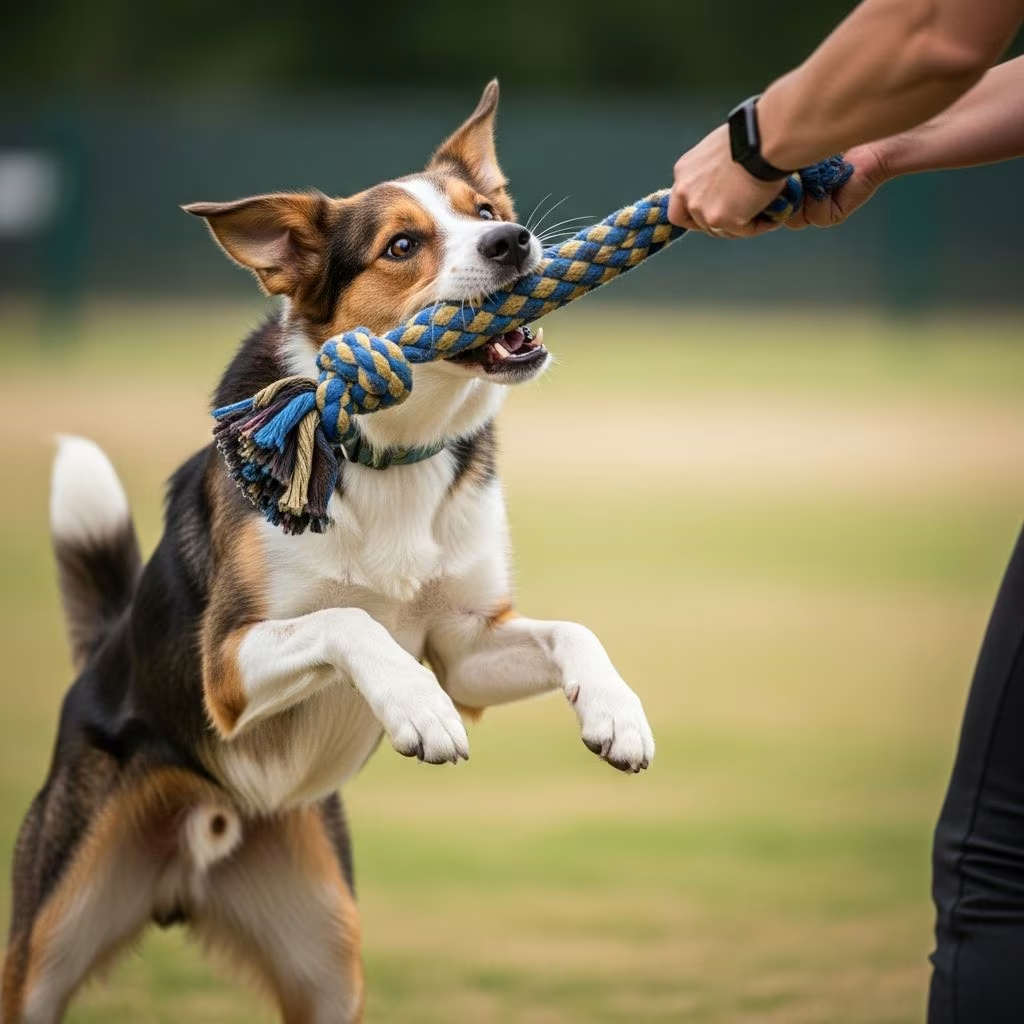
Tug play stands out as one of the most engaging and effective activities for dogs, offering a blend of physical exercise, mental stimulation, and behavioral training. Far from encouraging aggression, properly managed tug games teach dogs essential skills like impulse control and bite inhibition while fostering a deeper connection with their owners.
The Science Behind Tug’s Appeal for Dogs
Dogs are naturally predisposed to use their mouths in play, mimicking predatory instincts in a safe context. Tug games channel this drive productively, reducing boredom and stress. Research from animal behavior experts highlights how such interactive play activates reward centers in a dog’s brain, similar to food rewards but often more motivating for toy-driven breeds.
Physically, tugging provides a high-intensity workout that tires dogs quickly, ideal for high-energy breeds like terriers or herding dogs. Mentally, it demands focus and quick responses, sharpening cognitive skills. Unlike repetitive fetch, tug’s variability keeps sessions fresh and engaging.
Key Benefits of Incorporating Tug into Daily Routines
Tug play delivers multifaceted advantages that extend beyond mere entertainment:
- Relationship Building: Shared excitement during play makes handlers more appealing, promoting trust and communication.
- Self-Control Training: Rules like ‘take it’ and ‘drop it’ teach dogs to start and stop on cue, vital for obedience.
- Energy Outlet: Burns pent-up energy, curbing destructive behaviors like chewing furniture.
- Confidence Booster: Success in winning the toy empowers shy or anxious dogs.
- Training Reward: More powerful than treats for some dogs, enhancing recall and agility performance.
Behaviorally, tug redirects mouthing from hands or objects to toys, teaching appropriate tooth use. For reactive dogs, it provides a focal point, reducing environmental overstimulation.
Essential Rules for Safe and Effective Tug Sessions
To prevent mishaps, establish clear guidelines from the outset. Consistency ensures the game remains fun and safe.
| Rule | Purpose | How to Enforce |
|---|---|---|
| Only tug on designated toys | Prevents grabbing clothes or skin | Use verbal cue like ‘Get it!’ before offering toy |
| Teeth stay on the toy | Teaches bite inhibition | Stop play immediately if teeth touch skin; resume when controlled |
| Drop on cue | Builds impulse control | Say ‘Drop’ or ‘Out,’ reward with quick re-engagement |
| Game ends on your terms | Maintains leadership | Store toy after 1-2 minutes or good behavior |
| No jumping or nipping | Ensures safety | Freeze motion; resume only when calm |
These rules clarify expectations, turning play into a learning opportunity. Dogs quickly learn their responsibility for safe participation.
Step-by-Step Guide to Starting Tug Training
Begin with short, positive sessions to build success.
- Select the Right Toy: Choose durable ropes or fleece toys with handles for grip. Avoid items that fray easily.
- Introduce the Cue: Wave the toy excitedly, say ‘Take it!’ when dog engages mouth.
- Tug Gently:
- Match dog’s energy; short bursts prevent overwhelm.
- Teach Release: Hold toy still, offer high-value treat or new toy for ‘Drop.’ Fade treats over time.
- Build Duration: Gradually extend play to 30-60 seconds, ending on a high note.
- Incorporate Tricks: Reward sits, spins, or recalls with tug access.
For puppies, start during teething phases to redirect biting. Adults may need initial motivation via treats.
Advanced Tug Techniques for Skill Development
Once basics are mastered, elevate play to target specific goals.
- Recall Integration: Call dog from toy, reward return with resumed tug—boosts reliability.
- Impulse Challenges: Have dog wait calmly before ‘Take it,’ mimicking real-life restraint.
- Two-Toy Switch: Offer second toy for drop, preventing fixation on one item.
- Distance Play: Toss toy short distances, combining with retrieves for variety.
High-drive dogs thrive on competitive elements, like ‘keeping away’ drills where they must evade gentle pursuit before tugging.
Addressing Common Tug-Related Concerns
Myths persist that tug fuels aggression, but evidence shows the opposite: structured play teaches mouth control. Accidental nips decrease as dogs learn precision.
For resource guarders, gradual sharing via tug builds positive associations. Monitor arousal; end sessions if growling occurs, consulting pros for underlying issues.
Physical strain is minimal with proper toys, but avoid overexertion in brachycephalic breeds.
Tailoring Tug for Different Dog Personalities
- Puppies: Short sessions focus on mouthing redirection and basic cues.
- High-Energy Adults: Daily tugs as exercise alternative, especially indoors.
- Shy Dogs: Low-pressure starts in safe spaces to build boldness.
- Senior Dogs: Gentle tugs for mental engagement without joint stress.
Integrating Tug into Broader Training Plans
Tug excels as a reinforcer in agility, obedience, or behavior mods. Pair with food for balanced motivation: toys for drive, treats for precision.
In recall training, distant tugs outperform food for distance. For frustration-based reactivity, controlled play outlets reduce triggers.
Choosing and Maintaining Tug Toys
Opt for:
- Bungee ropes for shock absorption.
- Soft fleece for gentle mouths.
- Heavy-duty rubber for power chewers.
Inspect weekly; discard frayed items to avoid ingestion risks.
Frequently Asked Questions
Does tug make dogs aggressive?
No, with rules, it teaches control.
Can any dog play tug?
Most yes, adapt for age/health.
How long should sessions last?
1-5 minutes, 2-3 times daily.
What if my dog won’t drop the toy?
Use trade-up with better value; never yank.
Is tug better than fetch?
For interaction and control, yes for many.
Real-World Success Stories
Owners report hyper pups calming post-tug, recalls improving dramatically, and bonds strengthening. One trainer noted a fearful rescue gaining confidence via daily sessions.
References
- How to safely play tug with your dog — DeMarinis Dog Training. 2023. https://www.demarinisdogtraining.com/blog/how-to-safely-play-tug-with-your-dog
- How (and Why!) You Should Play Tug With Your Dog — Miles & Emma. 2023. https://milesandemma.com/tug-games/
- Play: Tug & Retrieving Games — Marin Humane. 2017-06. https://marinhumane.org/wp-content/uploads/2017/06/Play-Tug-Retrieving-Games.pdf
- The Truth about Playing Tug with your Dog — McCann Dogs. 2023. https://www.mccanndogs.com/blogs/articles/the-truth-about-playing-tug-with-your-dog
- Tugging As A Dog Training Tool — So Much PETential. 2023. https://somuchpetential.com/tugging-as-a-dog-training-tool/
- Why Tug Is the BEST Game to Play With Your Dog — PetSafe. 2023. https://www.petsafe.com/blog/why-tug-is-the-best-game-to-play-with-your-dog/
- Playing Tug with Your Dog – the Evolution — Robert Cabral. 2023. https://robertcabral.com/courses/playing-tug-with-your-dog-the-evolution/



