

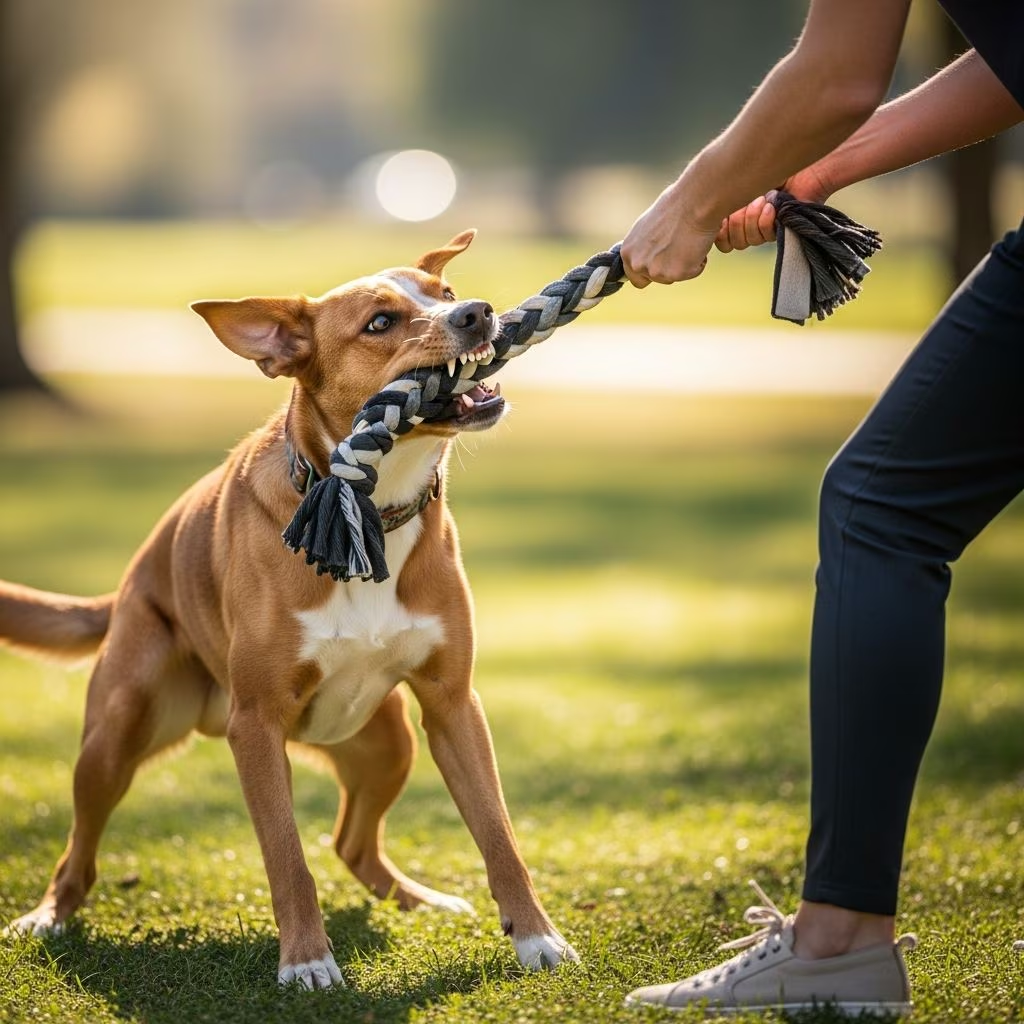
Tug-of-war, often misunderstood as a game that encourages aggression, serves as a powerful tool for canine training when approached correctly. This interactive activity helps dogs develop essential skills like self-control, focus, and responsiveness to commands, all while providing physical exercise and mental stimulation.
Why Tug Enhances Dog Training
Engaging in tug play transitions dogs between states of high arousal and calm obedience, fostering better behavioral regulation. It reinforces that mouthing human skin is unacceptable while building practical obedience skills during play. Research from professional trainers highlights its role in confidence-building and energy release, preventing unwanted behaviors.
Essential Guidelines for Safe Tug Sessions
To ensure tug remains enjoyable and injury-free, follow these core principles:
- Begin only on a specific invitation cue, such as “Take it,” to teach patience.
- Prohibit any tooth contact with human skin; end the game immediately if it occurs.
- Require instant release on cues like “Drop” or “Out.”
- Incorporate short pauses for calm behavior or basic commands like sit or down.
- Limit tugging to sideways motions to protect the dog’s neck and spine.
These rules create a structured environment where play supports learning rather than chaos.
Building Drive and Excitement Properly
Start by teasing the toy with quick, erratic movements—drag it side-to-side, tap it on the ground, or wave it playfully overhead without shoving it into the dog’s face, which can cause frustration or shutdown. This builds anticipation and drive. Once the dog grabs it, respond with gentle tugs initially, especially for puppies or seniors, gradually increasing intensity based on their comfort.
For young dogs, use soft toys and light lifts off the ground paired with praise to encourage grip and enthusiasm without overwhelming them.
Training the Critical Release Command
The release cue poses the biggest challenge, but systematic training makes it reliable. Begin at low excitement: after brief tugging, say “Drop” and present a high-value treat near the nose. Praise lavishly upon release, transitioning from lure to cue alone. Practice until the dog drops voluntarily on command, rewarding promptly.
During play, alternate tugs with releases to reinforce this skill. If the dog re-engages politely by nudging the toy toward you, resume, teaching appropriate invitation manners.
Adapting Play for Different Dogs
| Dog Type | Tug Intensity | Key Adjustments |
|---|---|---|
| Puppies | Gentle | Sideways only; short sessions; soft toys to avoid dental damage. |
| Adults | Vigorous | Build to full intensity; monitor arousal levels. |
| Seniors | Light | Avoid heavy pulling; focus on fun over force. |
| High-Energy Breeds | Moderate to High | Frequent breaks for commands to prevent over-arousal. |
Tailor sessions to your dog’s age, breed, and energy. High-drive breeds thrive on vigorous play, while timid dogs benefit from confidence-building gentleness.
Advanced Play Variations
Elevate basic tug with creative elements:
- Keep-Away Tease: Pretend to offer the toy, then yank it away playfully to spike excitement before allowing the grab.
- Body Taps: Gently smack the toy against the dog’s sides during tug to simulate prey movement, enhancing engagement.
- Muzzle Play: Lightly grasp the muzzle or blow on it mid-tug for desensitization and fun interaction.
- Wrestling Style: On the floor, roll and push safely with cooperative dogs to mimic pack play.
Always observe body language: loose wagging tails and relaxed bodies signal playfulness. Stiff postures or intense stares warrant stopping.
Incorporating Obedience into Play
Tug excels at blending fun with training. During breaks, cue sits, downs, or “leave it” before resuming. This toggles the dog from limbic (instinct-driven) to cerebral (thinking) mode, improving overall responsiveness. Use a leash for dogs prone to disengaging, gently guiding them back.
Addressing Common Challenges
Over-Arousal: If jumping or nipping occurs, use barriers like baby gates for controlled play until manners improve.
Refusal to Release: Increase treat value or practice in low-distraction settings.
Teeth on Skin: Drop the toy and disengage immediately; most dogs lose interest without opposition.
Frustration: Balance tease with access to prevent quitting.
Benefits Beyond Fun
- Physical outlet reduces destructive chewing or hyperactivity.
- Boosts confidence in shy dogs through successful interactions.
- Teaches bite inhibition by reinforcing no-skin contact.
- Strengthens handler-dog bond via cooperative play.
- Redirects mouthing appropriately (with caution).
Supervision with Children and Groups
Children should only play with dogs fluent in rules, under close watch. Use larger toys and emphasize sideways tugs. For multi-dog homes, rotate turns to avoid resource conflicts.
Frequently Asked Questions
Does tug make dogs aggressive?
No, when rules are followed, it builds control rather than aggression.
What’s the best toy for tug?
Durable rope toys with handles allow safe gripping without hand contact.
How often should we play tug?
3-5 sessions weekly, 5-10 minutes each, adjusted for energy levels.
Can all dogs play tug?
Most can with modifications; consult a trainer for aggression-prone dogs.
How do I stop a tug obsession?
End on your cue, store toys, and vary activities.
Getting Started: Step-by-Step Plan
- Select a sturdy toy and quiet space.
- Teach “wait” by hiding the toy on lunges.
- Introduce “take it” with gentle tugs.
- Train “drop” with treats, fading lures.
- Add commands during breaks.
- Monitor and adjust intensity.
Consistent practice yields a dog eager for structured play and responsive in daily life.
References
- Tug of War: How to Get Training Value Out of a Game — Catch Dog Trainers. 2022-06. https://catchdogtrainers.com/wp-content/uploads/2022/06/Tug-of-War-How-to-Get-Value-Out-of-a-Game.pdf
- Everything You’ve Ever Wanted To Know About Tug-Of-War — Positively.com. N/A. https://positively.com/dog-training/post/enrichment-everything-youve-ever-wanted-to-know-about-tug-of-war
- Eight Rules for Playing Tug of War With Your Dog — Whole Dog Journal. N/A. https://www.whole-dog-journal.com/behavior/eight-rules-for-playing-tug-with-your-dog/
- Rules for Playing Tug with Your Dog — Ahimsa Dog Training. N/A. https://ahimsadogtraining.com/dog-tug-rules/
- How to Safely Play Tug with Your Dog — DeMarinis Dog Training. N/A. https://www.demarinisdogtraining.com/blog/how-to-safely-play-tug-with-your-dog



