

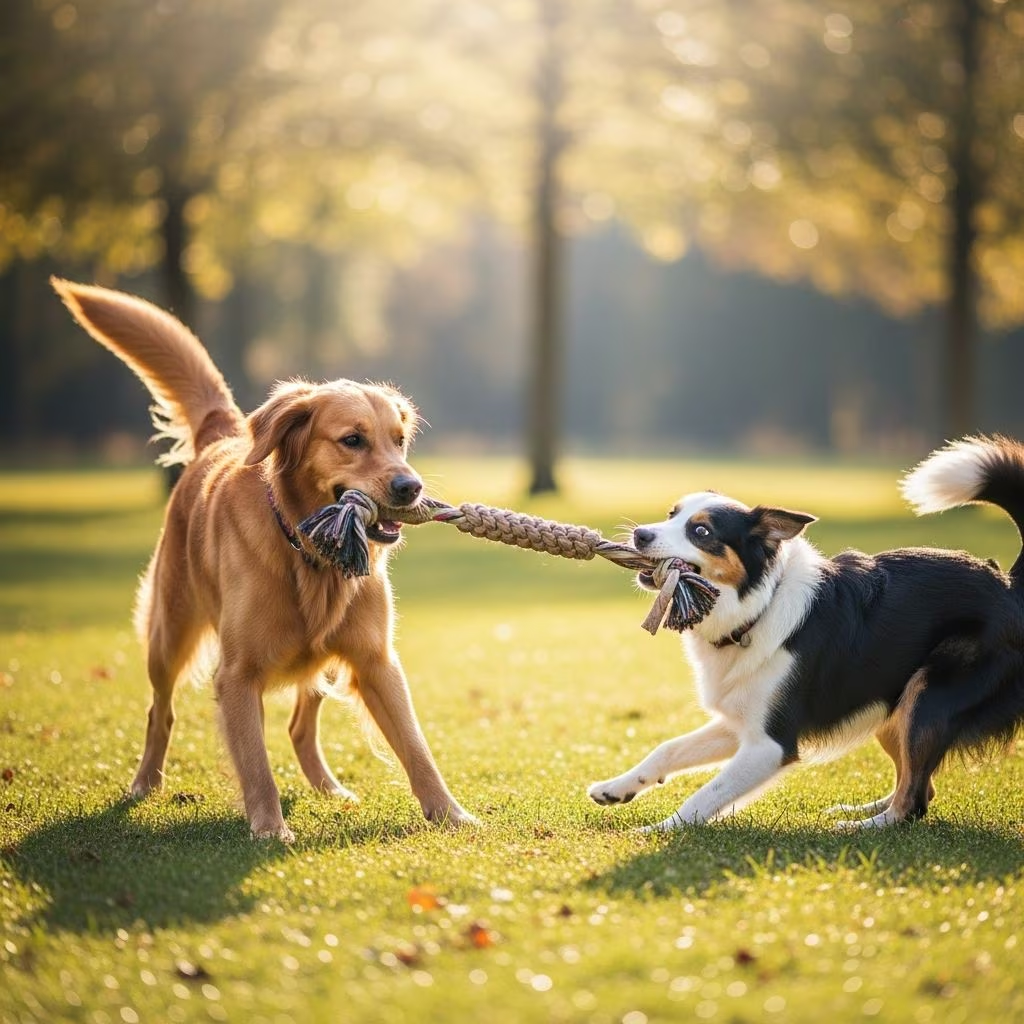
Tug-of-war stands as one of the most engaging interactive games for dogs and their owners, offering physical exercise, mental stimulation, and a chance to deepen the human-canine relationship. When conducted properly, this activity enhances a dog’s confidence, teaches vital impulse control, and provides an outlet for natural predatory instincts. However, without clear boundaries, it can lead to overstimulation, minor injuries, or behavioral misunderstandings. This guide outlines comprehensive strategies drawn from positive reinforcement principles to ensure every session remains enjoyable and productive.
Why Tug Deserves a Spot in Your Dog’s Play Routine
Engaging in tug play mimics a dog’s innate hunting behaviors, allowing them to chase, grab, and pull in a controlled environment. Research from animal behaviorists highlights how such games fulfill enrichment needs, reducing boredom-related issues like destructive chewing. Unlike solitary toys, tug requires cooperation, fostering teamwork between dog and handler. For high-energy breeds like Terriers or Retrievers, it serves as an efficient calorie burner, often more appealing than a solo walk.
Benefits extend beyond physical fitness. Dogs learn to regulate arousal levels, transitioning smoothly from excited ‘play mode’ to calm ‘thinking mode.’ This skill proves invaluable in real-world scenarios, such as waiting at doors or ignoring distractions. Owners report stronger trust bonds, as consistent rules demonstrate fairness and predictability.
Selecting the Perfect Tug Toy
Choosing appropriate equipment forms the foundation of safe play. Opt for durable ropes or fleece toys designed for tugging, with knots or handles that prevent slippage. Avoid items resembling household objects, like towels, to discourage grabbing forbidden items later. Length matters: a toy at least 24 inches long keeps teeth away from hands.
For puppies under six months or senior dogs, select softer materials to protect developing or fragile jaws. Test durability by yanking vigorously yourself—any fraying signals poor quality. High-value toys motivate engagement, especially when rotated to maintain novelty.
Core Safety Principles for Every Session
Prioritize these non-negotiable guidelines to minimize risks:
- Direction matters: Pull strictly side-to-side, never up-and-down, to safeguard the spine from strain.
- Intensity scales with age: Gentle pulls for young pups and elders; reserve vigor for healthy adults.
- No teeth on skin: Any contact, intentional or not, halts the game immediately—drop the toy and disengage.
- Monitor body language: Playful growls accompany loose bodies and wagging tails; stiff postures or hard stares demand a pause.
These rules prevent common mishaps like whiplash from erratic movements or overexcitement leading to jumping.
Step-by-Step Training: Building from Basics
Introduce tug progressively using positive reinforcement, focusing on back-chaining—teaching the ‘end’ behavior first for reliable results.
Phase 1: Mastering the Release
Begin with ‘out’ or ‘drop it’ cues. Hold a high-value treat near the toy; as your dog mouths it, say the cue, then mark with a clicker and reward upon release. Repeat 5-10 times across locations until anticipation builds. Introduce ‘all done’ to signal session end, storing the toy out of sight.
Phase 2: Adding Duration and Cues
With release solid, tug briefly (1-3 seconds), varying timing to prevent prediction. Use superior treats to outshine the toy’s appeal. If refusal occurs, revert steps or shorten sessions.
Phase 3: Introducing the ‘Take It’ Cue
Warm up releases, then say ‘tug’ or ‘take’ before presenting. Tug shortly, release on cue, reward. Vary intensity; practice in diverse spots.
Phase 4: Fading Treats and Chaining Behaviors
Replace food with renewed tugging: release earns instant ‘tug’ cue. Add sits or downs post-release, chaining for complex sequences.
This methodical approach ensures control, turning raw enthusiasm into disciplined fun.
Adapting Play for Different Dogs
| Dog Type | Tug Style Adjustments | Key Watchouts |
|---|---|---|
| Puppies | Gentle, short bursts (5-10 sec) | Protect baby teeth; no lifting |
| Seniors | Low-intensity, seated play | Joint health; frequent breaks |
| High-Energy Adults | Vigorous side pulls | Arousal spikes; quick releases |
| Rescue Dogs | Start behind gates | Resource guarding signs |
Tailor sessions to individual needs, observing for fatigue or frustration.
Games to Amp Up Engagement
Elevate basic tug with variations:
- Chase Initiation: Drag toy jerkily side-to-side or smack the ground to spark pursuit, avoiding face-shoving.
- Muzzle Play: Gently tap sides or hold muzzle during tugs for trust-building (leash for safety).
- Keep-Away: If disinterest strikes, tease briefly to reignite interest.
These keep sessions dynamic, preventing staleness.
Involving Family Members Safely
Children require direct supervision with rule-proficient dogs only. Use baby gates for aroused players to contain excitement. Adults model calm energy—excited handlers amplify dog frenzy. Group play demands one toy, multiple handlers to avoid chaos.
Troubleshooting Common Challenges
Refusal to Release: Upgrade treats, shorten tugs, or practice releases sans tugging.
Overarousal: Insert calm behaviors; end if growls intensify.
Jumping/Nipping: Gate play; reinforce ‘wait’ before starting.
Boredom: Rotate toys, vary durations.
Consistency resolves most issues within weeks.
Daily Integration and Long-Term Gains
Incorporate 5-15 minute sessions 3-5 times weekly, warming up always. Track progress: reliable releases signal readiness for complexity. Over time, tug boosts obedience, as dogs generalize control to commands like ‘leave it.’ It counters myths of aggression induction, instead channeling energy positively.
Frequently Asked Questions
Does tug make dogs aggressive?
No—properly managed, it teaches bite inhibition and self-control.
Can any dog play tug?
Most, with adaptations; consult pros for aggression histories.
How often should we play?
Short bursts several times weekly, adjusting for energy levels.
What if my dog grabs my hand?
End game instantly; retrain with longer toys.
Best toys for tug?
Durable ropes/fleece, 24+ inches, age-appropriate.
References
- How to Calm Your Dog by Playing Tug — Karen Pryor Clicker Training. Accessed 2026. https://clickertraining.com/how-to-calm-your-dog-by-playing-tug/
- Everything You’ve Ever Wanted To Know About Tug-Of-War — Positively.com. Accessed 2026. https://positively.com/dog-training/post/enrichment-everything-youve-ever-wanted-to-know-about-tug-of-war
- Eight Rules for Playing Tug of War With Your Dog — Whole Dog Journal. Accessed 2026. https://www.whole-dog-journal.com/behavior/eight-rules-for-playing-tug-with-your-dog/
- Rules for Playing Tug with Your Dog — Ahimsa Dog Training. Accessed 2026. https://ahimsadogtraining.com/dog-tug-rules/
- How to safely play tug with your dog — DeMarinis Dog Training. Accessed 2026. https://www.demarinisdogtraining.com/blog/how-to-safely-play-tug-with-your-dog



