

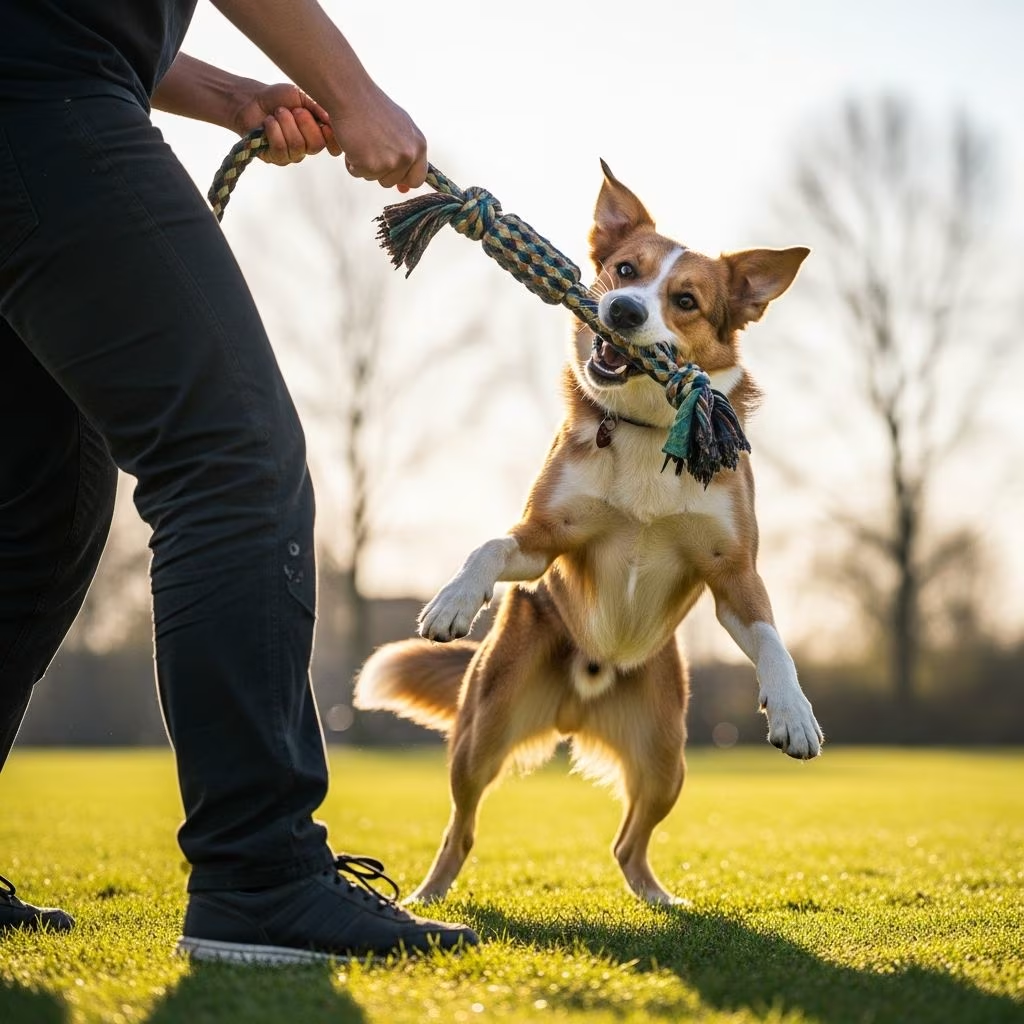
Tug-of-war is a high-energy game that strengthens the bond between dogs and their owners while teaching valuable impulse control and cooperation skills. When played correctly with clear rules, it promotes mental stimulation and physical exercise without risking aggression or injury.
Why Tug-of-War Benefits Your Dog
Engaging in tug play taps into a dog’s natural prey drive, providing an outlet for energy that reduces destructive behaviors at home. Research from positive reinforcement trainers shows it enhances focus and responsiveness to commands, as dogs learn to switch between excitement and calm states. Unlike myths suggesting it encourages dominance, structured tug builds trust through mutual fun and rewards.
For puppies, gentle sessions develop confidence and mouth awareness. Adult dogs gain aerobic conditioning, while seniors enjoy low-impact versions that maintain mobility. Always prioritize safety by monitoring arousal levels to prevent overstimulation.
Essential Safety Guidelines for Tug Sessions
To avoid injuries, follow these core principles during every game:
- Sideways Motion Only: Pull horizontally to protect the spine from vertical strain, which can harm developing or aging joints.
- Adjust Intensity by Age: Use light tugs for puppies under 6 months and seniors over 8 years; reserve vigorous play for healthy adults.
- No Teeth on Skin: If teeth contact human skin, even accidentally, immediately end the session by dropping the toy and walking away.
- Supervise Children Closely: Kids play only with dogs fluent in rules, under direct adult oversight.
Observe body language: loose wagging tails and playful bounces indicate fun; stiff posture or intense stares signal it’s time to stop.
Selecting the Perfect Tug Toy
Choose durable, soft-mouthed toys like fleece ropes or rubber handles to minimize dental risks. Avoid items that fray easily or resemble household objects, preventing confusion during unsupervised time. Toys should be long enough (18-24 inches) for safe gripping without hand contact.
Test toys for grip: floppy fabrics encourage holding, while knotted ends provide secure bites. Rotate multiple toys to maintain interest and prevent fixation on one item.
Building Foundational Skills: Step-by-Step Training
Start with short, structured sessions of 5-10 minutes, 2-3 times daily. Use high-value treats initially to outcompete the toy’s appeal.
Phase 1: Teach the Release Cue
Back-chain by rewarding drops first. Present the toy, click as the dog mouths it, then treat when it releases. Pair with a cue like “out” or “give.” Repeat 5-10 times across locations until anticipation builds.
Progress when the dog drops reliably on cue without clicking immediately.
Phase 2: Introduce Brief Tugs
Warm up with releases, then tug 1-3 seconds before cueing release. Vary duration unpredictably to prevent anticipation. Reward with treats post-release.
If refusal occurs, revert to prior phase or enhance treats.
Phase 3: Ramp Up Intensity Safely
Incorporate quick jerks, side drags, and ground smacks to animate play. Maintain release reliability amid excitement. Use barriers like baby gates for overly aroused dogs.
| Phase | Duration | Key Cue | Reward |
|---|---|---|---|
| 1: Release | 0 seconds | Out/Give | Treat + Click |
| 2: Brief Tug | 1-3 sec | Out/Give | Treat |
| 3: Intense Play | 5-10 sec | Out/Give | Treat or Re-tug |
Phase 4: Fade Treats and Chain Behaviors
Transition rewards to re-engaging tug: cue “tug” immediately post-release. Add sits or downs between rounds to instill calm resets. Sessions end with “all done” and toy storage.
Practice in varied environments for generalization.
Advanced Techniques for Engagement
Enhance fun with teasing motions: wave toys overhead, pretend-offer then yank away, or tap the dog’s sides gently. For reluctant players, use leashes to prevent disengagement and build drive through pursuit.
Shorten sessions if arousal spikes; end on success to foster positive associations.
Common Mistakes and Fixes
- Skipping Wait Training: Teach patience by holding toys still until “take it” cue; hide if jumped.
- Inconsistent Releases: Always enforce cues to avoid resource guarding.
- Overlong Sessions: Cap at 1-2 minutes per round to manage energy.
- Ignoring Signals: Hard eyes or stiff tails mean pause and assess.
Tailoring Tug to Your Dog’s Needs
Puppies: Focus on gentle lifts and praise for calm holds. High-drive breeds like terriers thrive on jerky teases. Low-energy dogs prefer steady pulls.
For multi-dog homes, play one-on-one to prevent jealousy.
Measuring Progress and Long-Term Integration
Success markers: prompt releases, polite waits, calm post-play sits. Integrate into daily routines for exercise and obedience practice.
Frequently Asked Questions
Does tug make dogs aggressive?
No, when rules are followed; it teaches control, not dominance.
Can puppies play tug?
Yes, gently from 8 weeks to build drive without injury.
What if my dog won’t release?
Use higher-value treats, shorten tugs, or back-chain releases.
Is tug okay for seniors?
Absolutely, with soft toys and minimal force.
How often should we play?
2-4 short sessions daily, based on energy levels.
References
References
- Everything You’ve Ever Wanted To Know About Tug-Of-War — Positively.com. 2023. https://positively.com/dog-training/post/enrichment-everything-youve-ever-wanted-to-know-about-tug-of-war
- How to Calm Your Dog by Playing Tug — Karen Pryor Clicker Training. 2024. https://clickertraining.com/how-to-calm-your-dog-by-playing-tug/
- Eight Rules for Playing Tug of War With Your Dog — Whole Dog Journal. 2023-10-15. https://www.whole-dog-journal.com/behavior/eight-rules-for-playing-tug-with-your-dog/
- Rules for Playing Tug with Your Dog — Ahimsa Dog Training. 2022. https://ahimsadogtraining.com/dog-tug-rules/
- Teach Your Dog The Game of Tug – Complete Beginner’s Guide — YouTube (DoggyU). 2023. https://www.youtube.com/watch?v=5zfoboVcXE0



