

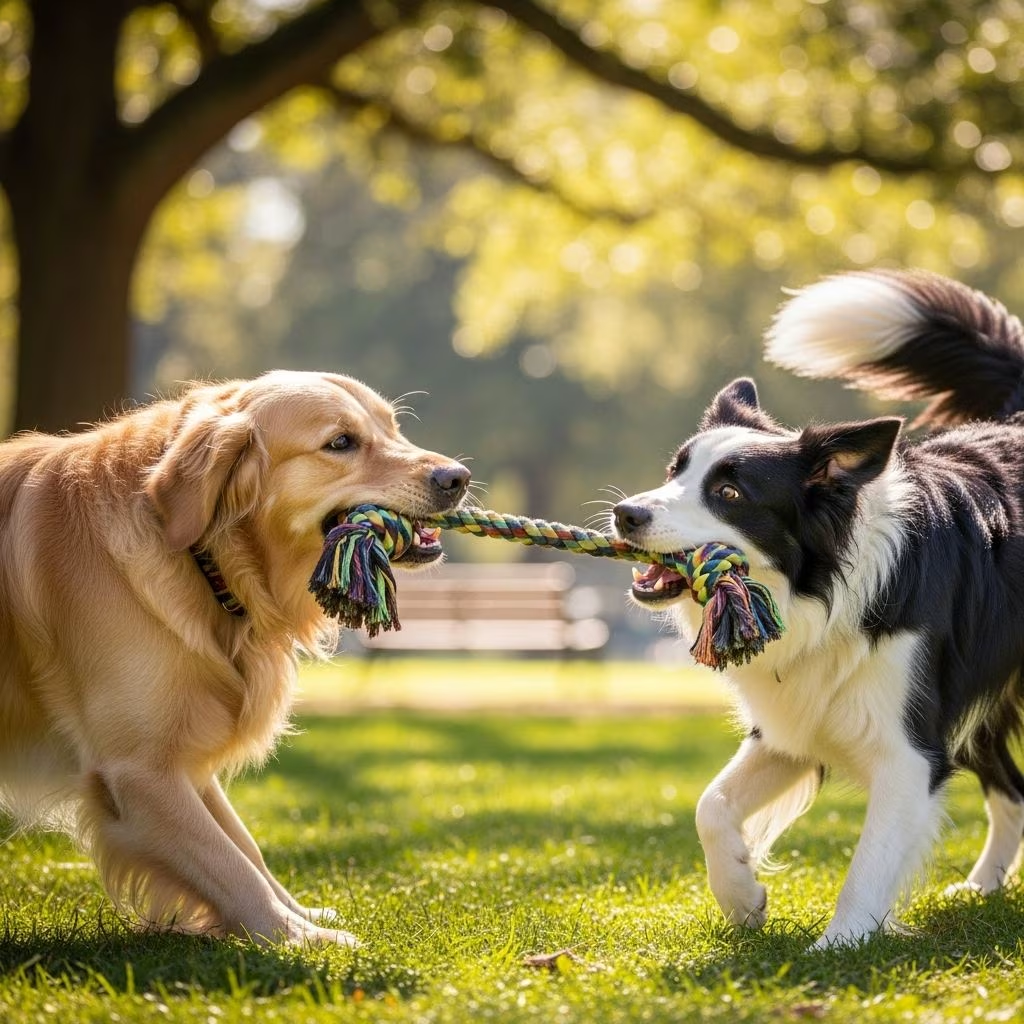
Tug-of-war stands as one of the most engaging and instinctive games dogs adore, mimicking their natural prey drive while fostering a deeper connection with their human companions. When approached correctly, this high-energy activity sharpens focus, builds confidence, and reinforces obedience. However, without proper guidelines, it risks promoting unwanted behaviors like jumping, nipping, or resource guarding. This comprehensive guide outlines key principles to ensure tug sessions remain fun, safe, and productive for dogs of all ages and breeds.
Why Tug-of-War Benefits Your Dog’s Development
Engaging in tug-of-war taps into a dog’s predatory sequence—chasing, grabbing, biting, and dissecting—providing mental and physical stimulation that combats boredom and excess energy. Research from positive reinforcement training experts highlights how structured play enhances impulse control and teaches dogs to switch between high-arousal ‘play mode’ and calm ‘thinking mode.’ For puppies, it develops jaw strength and coordination; for adults, it serves as enrichment; and for seniors, gentler versions maintain mobility.
Unlike solitary chewing, tug requires cooperation, strengthening the human-dog bond through mutual excitement and reward cycles. Trainers emphasize varying play intensity to prevent over-arousal, which can lead to frustration or aggression if not managed.
Essential Safety Principles for Every Tug Session
Prioritizing safety prevents injuries and behavioral issues. Always use durable toys designed for tugging, such as fleece ropes or rubber handles that won’t shred easily. Inspect toys regularly for wear to avoid ingestion hazards.
- Sideways Motion Only: Pull horizontally to safeguard the spine. Vertical jerks strain necks and necks, especially in smaller breeds.
- Adjust Intensity by Age: Puppies under 6 months and senior dogs over 10 years need soft, brief tugs to protect developing or fragile joints.
- No Teeth on Skin: Any contact with human skin halts the game immediately—drop the toy and disengage to teach boundaries.
- Supervise Children Strictly: Kids play only with dogs fluent in rules, under constant adult watch, using child-safe toys.
These rules form the foundation, ensuring play remains enjoyable without veterinary visits or eroded trust.
Building Foundational Skills: Teaching Patience and Control
Impulse control underpins successful tug play. Start by teaching your dog to wait for permission, preventing frantic grabs that escalate arousal.
- Introduce the Wait Cue: Hold the toy visibly but say ‘wait.’ If the dog lunges, say ‘oops’ and hide it. Repeat until calm, then cue ‘take it’ and offer gently.
- Practice in Low-Distraction Areas: Begin indoors, progressing to yards as reliability grows. Sessions last 2-5 minutes to maintain focus.
- Reward Calmness: Praise lavishly for waiting, associating patience with play access.
This phase typically takes 3-5 sessions, transforming eager jumpers into polite players.
Mastering the Release: Core Training Steps
The release cue is non-negotiable—dogs must drop on command to avoid possession issues. Employ back-chaining for reliability: teach ‘out’ or ‘drop’ first by rewarding relinquishment before adding tug duration.
Step-by-Step Release Protocol
| Step | Action | Tips |
|---|---|---|
| 1. End First | Present toy, click/mark as mouth touches, treat to encourage drop. | Repeat 5-10x; use high-value treats. |
| 2. Add Verbal Cue | Say ‘out,’ click immediately after touch, treat on release. | Fade click reliance; practice in varied spots. |
| 3. Introduce Tug | Tug 1-3 seconds, cue release, reward drop. | If no drop, say ‘all done,’ hide toy. |
| 4. Build Duration | Vary tug time randomly; always end with release. | High-value rewards for compliance. |
Consistency yields a rock-solid release in 1-2 weeks. Troubleshoot resistance by shortening tugs or upgrading treats.
Advanced Techniques: Elevating Play Quality
Once basics solidify, layer in complexity for sustained engagement.
- Dynamic Movements: Jerk toy side-to-side or smack ground to ignite chase instinct without shoving.
- Teasing Games: Wave toy overhead, feign offers then yank away playfully to build anticipation.
- Body Contact Play: Gentle taps or muzzle holds during tug encourage relaxed engagement.
- Chained Behaviors: Post-release, cue ‘sit’ or ‘down’ before resuming—fading treats makes tug the reinforcer.
These amplify fun while embedding obedience, ideal for high-drive breeds like Terriers or Retrievers.
Handling High-Arousal Dogs: De-Escalation Strategies
Excitable dogs may jump, growl intensely, or nip. Use barriers like baby gates for controlled play, rebuilding rules gradually. Analyze body language: loose wags signal play; stiff postures or hard stares indicate guarding—consult force-free pros if unsure.
Shorten sessions, intersperse calms, and end on compliance. Running playfully re-engages disinterest without force.
Tailoring Tug for Different Dogs and Scenarios
Puppies and Seniors
Gentle, floor-based tugs suffice. Limit to 30 seconds, emphasizing fun over force.
High-Energy Adults
Incorporate direction changes and longer chains for outlets matching drive levels.
Multi-Dog Homes
Rotate turns to curb jealousy; never free-for-all tugs.
Common Mistakes and Fixes
| Mistake | Consequence | Fix |
|---|---|---|
| Ignoring Release | Guarding, biting | Enforce every time with rewards. |
| Vertical Tugs | Injury risk | Switch to sideways only. |
| Over-Long Sessions | Over-arousal | Cap at 5 mins, vary duration. |
| No Boundaries | Jumping/nipping | Use gates, teach wait. |
Equipment Recommendations
- Fleece tug toys for soft grip.
- Bungee-handled ropes for joint protection.
- Clickers and treats for training.
FAQs
Is tug-of-war bad for dogs’ teeth?
No, with appropriate toys; it strengthens jaws safely.
Can tug encourage aggression?
Not if rules are followed—proper training prevents this.
How often to play tug?
3-5 times weekly, 2-5 mins each, based on energy.
What if my dog won’t release?
Back-chain with treats; never yank.
Suitable for all breeds?
Yes, intensity-adjusted.
References
- How to Calm Your Dog by Playing Tug — Karen Pryor Clicker Training. 2023. https://clickertraining.com/how-to-calm-your-dog-by-playing-tug/
- Everything You’ve Ever Wanted To Know About Tug-Of-War — Positively.com. 2022. https://positively.com/dog-training/post/enrichment-everything-youve-ever-wanted-to-know-about-tug-of-war
- Eight Rules for Playing Tug of War With Your Dog — Whole Dog Journal. 2024-03-15. https://www.whole-dog-journal.com/behavior/eight-rules-for-playing-tug-with-your-dog/
- Rules for Playing Tug with Your Dog — Ahimsa Dog Training. 2023. https://ahimsadogtraining.com/dog-tug-rules/
- How to Safely Play Tug with Your Dog — DeMarinis Dog Training. 2024. https://www.demarinisdogtraining.com/blog/how-to-safely-play-tug-with-your-dog



