Mastering Treats in Dog Training
Unlock effective dog training techniques using treats as smart rewards to build lasting obedience and strengthen your bond.
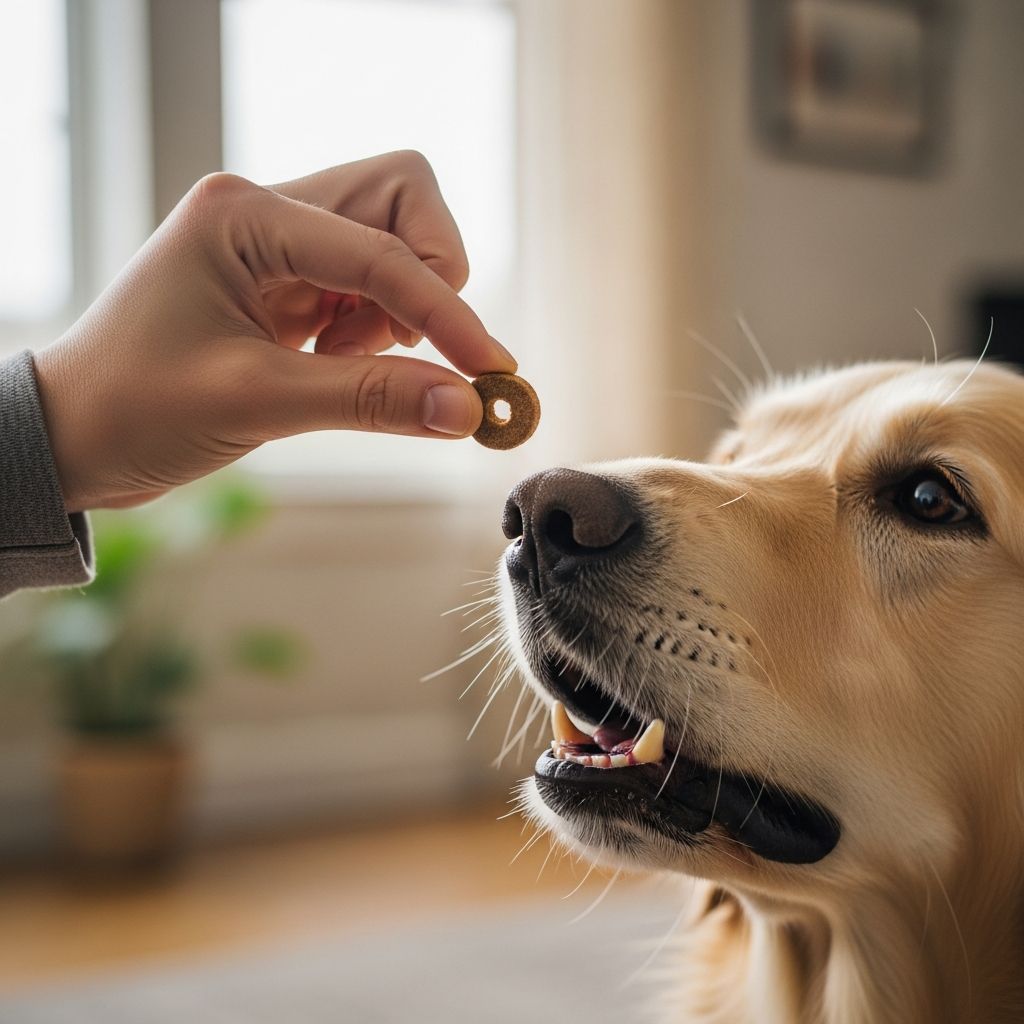
Using treats effectively transforms dog training into a rewarding experience for both pet and owner. High-quality treats serve as powerful motivators when applied with precision, fostering behaviors that endure beyond the training sessions themselves. This guide explores selection criteria, delivery methods, common errors, and long-term strategies to ensure treats enhance rather than hinder progress.
Selecting the Perfect Training Treats
Choosing the right treats is foundational to successful training. Opt for
high-value treats
that excite your dog, such as small pieces of cooked chicken, cheese, or commercial soft treats with strong aromas. These should be irresistible enough to capture attention even in distracting environments.- Size matters: Break treats into tiny pieces (pea-sized) to allow frequent rewards without overfeeding or slowing sessions.
- Texture preference: Soft, moist treats deliver quickly and minimize chewing time, keeping focus sharp.
- Variety builds interest: Rotate flavors to prevent boredom, especially during extended training periods.
Consider your dog’s dietary needs; low-calorie options suit overweight pets, while puppies benefit from nutrient-dense choices. Always prioritize treats comprising no more than 10% of daily caloric intake to maintain health.
Core Principles of Reward Delivery
Timing and technique determine whether treats reinforce the intended behavior. Deliver rewards within 1-2 seconds of the action to create a clear association, using a verbal marker like “yes” or a clicker to bridge any slight delay.
| Principle | Description | Benefit |
|---|---|---|
| Swift Delivery | Treat given immediately after behavior | Strengthens precise association |
| Verbal Marker | “Yes!” followed by treat | Allows 1-2 second window |
| Hand Feeding | From open palm at eye level | Promotes gentle taking |
For safety, hold treats at eye level to discourage jumping. If your dog nips, start with a closed fist, opening only when they gently nose it. This builds polite habits from the outset.
Avoiding Bribes: Reward vs. Lure
A common pitfall is bribing, where the treat is visible before the behavior, teaching dogs to perform only for visible incentives. Instead, keep treats concealed in a pouch or pocket until the action occurs.
Luring has its place for initial teaching, like guiding a sit by moving a treat above the nose, but transition swiftly: first to empty hand lures, then verbal cues alone. This prevents treat-dependency.
Spotting and Fixing Bribing
- If dog ignores command without visible treat: Retrain in low-distraction settings.
- Hide treats completely during sessions.
- Praise lavishly post-reward to pair non-food incentives.
Building Duration and Chains with Treats
To teach stays or positions, reward intermittently while the behavior holds. For a sit-stay, treat multiple times before release, gradually spacing deliveries to build endurance.
Behavior chains combine commands: sit, down, stay, recall—reward only at the end. Vary sequences to keep dogs engaged and prevent anticipation. This mirrors real-world reliability.
Optimizing Training Sessions for Success
Keep sessions brief—5-10 minutes—to match attention spans, especially for puppies. Train when hungry but not starving, ideally before meals, and after exercise to burn excess energy.
Incorporate real-life rewards: Use high-value treats for everyday good behavior, like polite greetings, to generalize obedience.
Fading Treats for Lasting Obedience
Dependency on treats undermines training; gradually reduce frequency. Start with a 1:3 praise-to-treat ratio, progressing to random reinforcement on a variable schedule, which proves most durable.
Pair treats with praise, petting, and play from day one. Once proficient (80-90% reliability sans treats), phase them out entirely, using life rewards like walks or toys.
Tailoring Treats for Special Cases
Fearful or Stressed Dogs
Toss treats from a distance to avoid overwhelming them. Use low-pressure environments and observe body language for stress signs like lip-licking.
Distracted or High-Energy Dogs
Escalate treat value in challenging settings. Short, high-intensity bursts work better than marathons.
Puppies and Seniors
Puppies need frequent, tiny rewards; seniors may prefer softer, easier-to-chew options.
Tools and Accessories for Efficiency
- Treat pouches: Belt-clip models for quick access and hygiene.
- Clickers: Precise markers for complex behaviors.
- Training mats: Visual cues for positioning exercises.
Common Myths Debunked
| Myth | Reality |
|---|---|
| Treats spoil dogs | Proper use builds reliable behaviors without dependency. |
| Only works for food-motivated dogs | High-value options motivate nearly all; pair with play for others. |
| Verbal praise suffices alone | Combines best with tangible rewards initially. |
FAQs
What if my dog ignores treats during training?
Check hunger levels, increase value, reduce distractions, or switch timing. Exercise first if overly energetic.
How many treats per session?
Limit to 10-20 tiny pieces; monitor weight weekly.
Can treats cause obesity?
Yes, if overused—account for calories in daily diet.
When to stop using treats entirely?
After 90% success in varied settings; maintain occasional jackpots for polish.
Best treats for allergies?
Hypoallergenic options like freeze-dried liver or vet-recommended formulas.
Integrating these methods yields obedient, happy dogs responsive to cues without constant lures. Consistency across family members amplifies results, turning every interaction into a training opportunity.
References
- Successful dog training with treats — Animal Wellness Magazine. Accessed 2026. https://animalwellnessmagazine.com/successful-dog-training-treats/
- Top Training Tips Using High-Reward Treats — K9 Crack. Accessed 2026. https://www.k9crack.com/post/top-training-tips-using-high-reward-treats
- Dog Training with Treats — Thriving Canine. Accessed 2026. https://www.thrivingcanine.com/blog/training_treats/
- How to Use Dog Treats in Training — Project Upland. Accessed 2026. https://projectupland.com/dogs/how-to-use-dog-treats-in-training/
- Dog Training with Treats: Effective Method or Bad Habit? — MN Dog Training. Accessed 2026. https://www.mndogtraining.com/articles/dog-training-treats/
- The Right Way to Give Your Dog a Treat — Countryside Vets. Accessed 2026. https://www.countrysidevets.net/blog/the-right-way-to-give-your-dog-a-treat/
Similar Articles








Read full bio of medha deb