

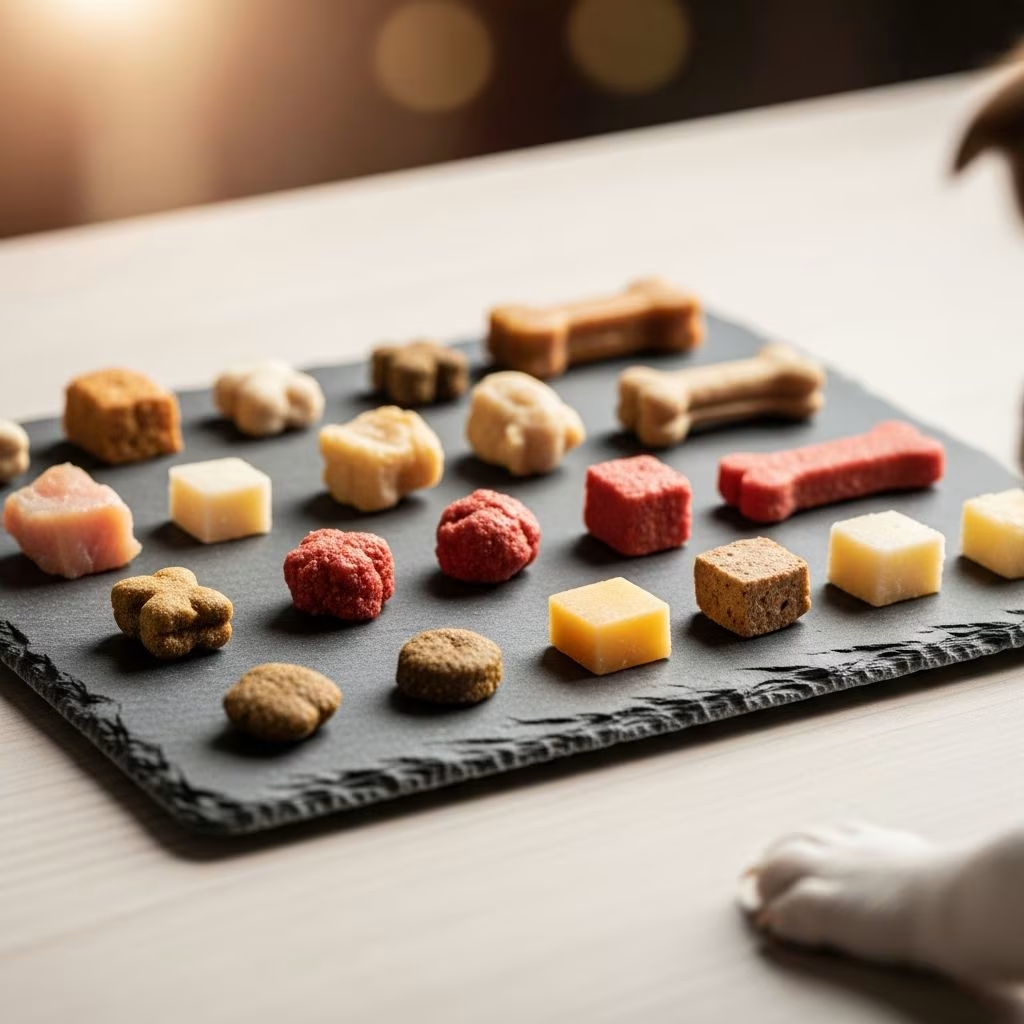
Treats serve as powerful tools in puppy training, leveraging a dog’s natural love for food to encourage desired behaviors through positive reinforcement. When used correctly, they accelerate learning while building a foundation for long-term obedience without dependency.
Why Treats Drive Effective Puppy Learning
Food rewards tap into a puppy’s primary motivations, making complex commands more approachable and fun. Unlike punishment-based methods, positive reinforcement with treats strengthens neural connections between actions and positive outcomes, leading to quicker mastery of skills like sitting or staying.
Research from animal behavior studies shows dogs associate rewards delivered immediately after behaviors with those actions, creating reliable responses over time. This approach not only boosts compliance but also enhances the human-dog relationship by linking you as the source of all good things.
Selecting the Perfect Training Treats
Choose treats that motivate without overwhelming. High-value options like small bits of cheese or chicken work best for challenging tasks, while everyday kibble suffices for basics in low-distraction settings.
- High-value treats: Soft, smelly meats or cheeses for high-distraction or new skills.
- Low-value treats: Puppy kibble or veggies to maintain calorie control.
- Size matters: Tiny pieces (pea-sized) allow quick delivery without filling up your pup.
- Health-focused: Opt for treats comprising no more than 10% of daily calories; consult vets for breed-specific needs.
Avoid hard, large treats that slow training flow. Homemade options, such as those blending whole wheat flour, eggs, pumpkin, and peanut butter, offer control over ingredients and cost savings while being soft and appealing.
Precision Timing: The Reward Delivery Secret
Timing defines success in treat training. Deliver the reward within one second of the behavior to ensure proper association—delay it, and your puppy might link the treat to unrelated actions.
Use a marker like a clicker or enthusiastic “Yes!” the instant the behavior occurs, followed by the treat. For a sit command, mark as the rear touches the ground, not after they stand.
| Behavior | Ideal Marker Moment | Treat Delivery |
|---|---|---|
| Sit | Butt hits floor | Immediately while seated |
| Stay | After hold duration | While still in position |
| Recall | Puppy reaches you | Upon arrival, with praise |
Integrating Praise and Affection with Treats
Treats alone create food-dependent dogs; pair them with verbal praise and touch to transfer motivation. Deliver treats alongside a cheerful “Good dog!” and petting, forging associations where your attention becomes the ultimate reward.
This pairing builds enthusiasm: energetic delivery with ear scratches and goofy praise energizes puppies, making sessions joyful. Over time, your voice and presence rival treats in value.
Fading Treats: Building Independence
The goal is a dog who obeys without constant bribes. Start with treats every success, then shift to intermittent rewards, ensuring behaviors stick without lures.
- Random reinforcement: Reward unpredictably, like a slot machine, to heighten motivation.
- Challenge-based: Treat only tough tasks; skip for mastered ones like basic sits.
- Exchange rewards: Swap treats for toys, play, or cuddles as proficiency grows.
- Chaining behaviors: Space treats farther in sequences, rewarding full chains.
Use portions of daily kibble for training to avoid weight gain, gradually weaning as non-food rewards take over.
Common Pitfalls and How to Avoid Them
Mistakes undermine progress. Luring with visible treats teaches begging, not obedience—keep them hidden until earned.
- Bribing: Never show treats first; command, then reward.
- Overfeeding: Track intake; treats should not exceed 10% of calories.
- Poor timing: Reward releases, not behaviors, causing confusion.
- One-size-fits-all: Match treat value to task difficulty and distractions.
Multiple treats at once dilute impact; deliver singly for stronger associations.
Practical Training Sessions with Treats
Structure short, frequent sessions (5-10 minutes) multiple times daily. Begin in quiet areas, progressing to distractions.
Example Session: Teaching ‘Heel’
- Say “Heel,” lure with hidden treat at side.
- Mark and treat precise positioning.
- Praise lavishly; repeat 5-10 times.
- Fade lure: Command without show, treat intermittently.
For house training, mark outdoor elimination instantly with treats and play, reinforcing the habit.
Health and Nutrition Considerations
Puppies thrive on balanced diets; treats must align. Veterinary guidelines emphasize age, breed, and activity levels—overtreats lead to obesity.
Incorporate play as rewards: Fetch or tug post-command fulfills needs while varying reinforcement, preventing treat fatigue.
Advanced Strategies for Lasting Results
Once basics solidify, proof behaviors in real-world scenarios. Use variable ratios: Reward 1 in 3 sits in parks, building resilience.
Bond beyond sessions—daily play, cuddles pair you as the reward source, amplifying training efficacy.
Frequently Asked Questions
Can all puppies have treats?
Yes, but portion according to size, age, and diet. Limit to 10% of calories; vet consultation recommended.
How do I stop my dog begging for treats?
Fade lures early, reward from hand only, pair with praise to shift focus.
What if treats don’t motivate my puppy?
Try higher-value foods, ensure hunger during sessions, or use toys/praise.
How long until I fade treats completely?
Typically weeks to months; consistency speeds it, but some high-value scenarios may always use them.
Are homemade treats safe?
Yes, with puppy-safe ingredients like flour, eggs, pumpkin, peanut butter—bake small for training.
Building a Lifelong Partnership
Treat training evolves into a partnership where your puppy eagerly responds for joy of compliance. Consistent, thoughtful use fosters confident, happy dogs ready for any adventure.
References
- How to Use Dog Treats in Training — Project Upland. 2023. https://projectupland.com/dogs/how-to-use-dog-treats-in-training/
- Dog Treat Training: When & How to Reward Dogs — Purina. 2024-10-15. https://www.purina.com/articles/dog/puppy/training/dog-treat-training
- Ask the Instructor: How Do I Decrease Using Treats to Train My Dog? — Dogs Inc. 2023. https://dogsinc.org/blog/ask-the-trainer/training-and-treats/
- Dog Training with Treats — Thriving Canine. 2022. https://www.thrivingcanine.com/blog/training_treats/
- Treats in Dog Training — Dogs Be Dogs. 2023. https://www.dogsbedogs.co.uk/treats-in-dog-training5650fdad
- The BIGGEST Mistakes People Make When Treat Training A Puppy — YouTube (McCann Dogs). 2023. https://www.youtube.com/watch?v=NGKTn_0garY
- Barley’s First Weeks and Homemade Puppy Training Treats — The Woks of Life. 2022-05-10. https://thewoksoflife.com/barleys-first-weeks-and-homemade-puppy-training-treats-1/



