

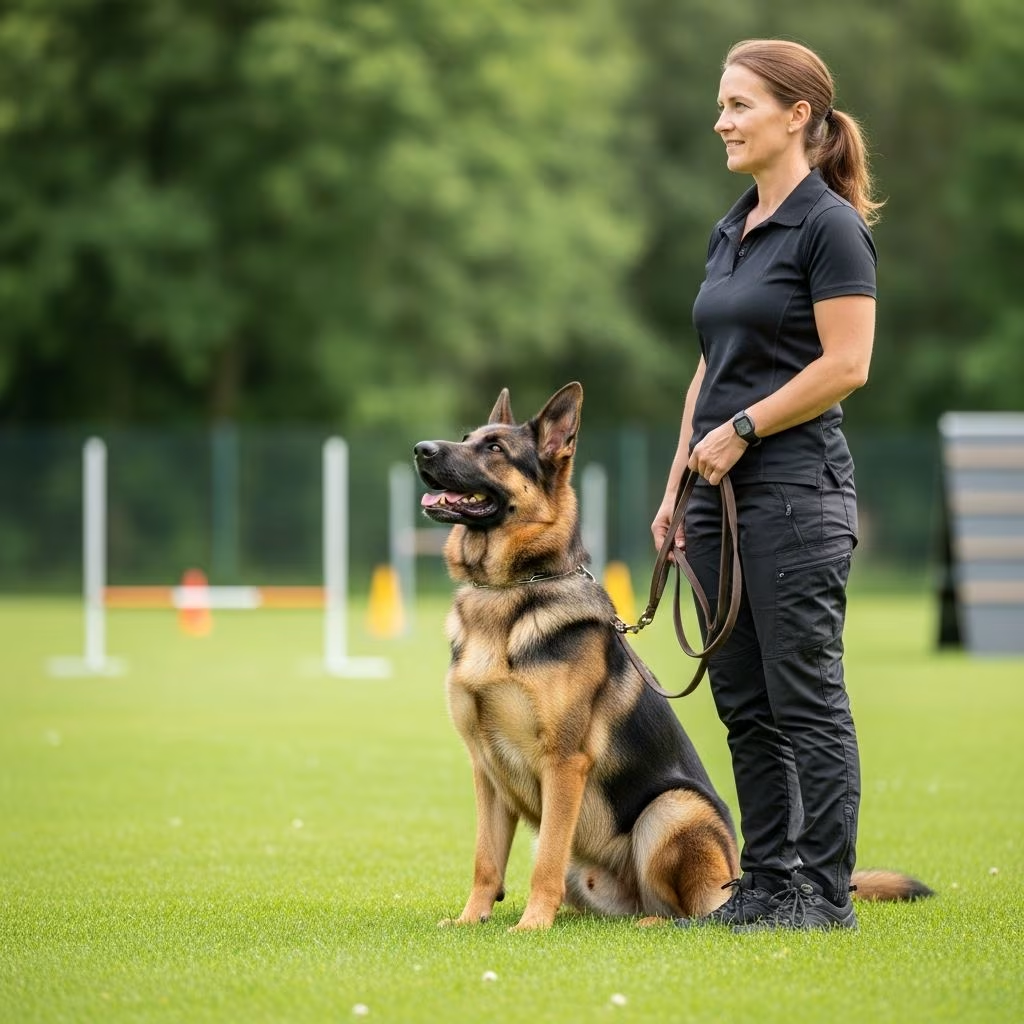
Large and giant breed dogs bring immense joy with their loyal personalities and impressive presence, but their size demands dedicated training from an early age. Owners must prioritize safety, consistency, and positive reinforcement to harness their strength effectively. This guide explores foundational skills, equipment needs, daily management, and engaging activities tailored for these powerful pups.
Why Early Training Matters for Big Pups
Beginning training at 8 weeks old sets the stage for a lifetime of good behavior. Large breeds grow rapidly, often reaching adult size and strength by 6-7 months, making early habits crucial to prevent overpowering pulls or reactive lunges. Positive methods, using treats and praise, build confidence without force, ensuring puppies associate learning with fun.
Consistency across family members avoids confusion; everyone must use identical cues and rewards. Short, daily sessions—5-10 minutes—yield better results than marathon efforts, keeping young dogs engaged without fatigue.
Essential Equipment for Effective Sessions
Selecting the right gear prevents mishaps and supports progress. A sturdy harness distributes pressure evenly, avoiding neck strain during pulls, unlike collars that can harm tracheas in strong breeds. Crates sized for full growth provide secure resting spots, aiding housebreaking and alone-time adjustment.
- Harness: Front-clip models encourage loose walking by turning the dog toward you on tension.
- Leashes: 4-6 foot standard for control; 15-30 foot long lines for recall practice in safe areas.
- Clicker and Treats: High-value morsels like cheese or meat motivate focus; clickers mark precise moments of success.
- Mats or Beds: Designated spots for settling during greetings or meals.
Invest in durable items, as big dogs chew through flimsy toys quickly. Expert videos offer visual guides for setup.
Core Obedience Commands Every Owner Needs
Mastering basics like sit, down, stay, come, and heel forms the bedrock. These control impulses in high-energy giants, preventing jumps or chases that smaller dogs might escape.
| Command | Purpose for Large Dogs | Training Tip |
|---|---|---|
| Sit/Stay | Prevents jumping on guests | Lure with treat above nose, reward calm holds |
| Come (Recall) | Stops unsafe pursuits | Practice on long line, reward heavily |
| Heel | Manages walks without dragging | Start indoors, reward position at side |
| Down | Reduces intimidating stance | Gently guide chest to floor with lure |
Positive reinforcement ensures repeats; ignore unwanted actions to extinguish them. Threshold training—waiting at doors—builds patience, vital for door-dashing prevention.
Achieving Polite Leash Manners
Loose-leash walking is non-negotiable; uncontrolled pulling limits outings and risks injury. Teach by stopping movement when tension occurs, resuming on slack. Reward sniffing or heel position frequently during walks.
For giants, “walk away”—a quick 180-degree pivot—defuses arousal near triggers like other dogs. Practice in low-distraction spots, fading treats over time. Early socialization exposes pups to varied environments calmly, curbing reactivity before strength peaks.
Impulse Control and Household Rules
Large dogs excel at counter-surfing or door-bolting due to reach and power; targeted training counters this. “Place” sends them to a mat during visitors or meals, easing greetings.
- Teach “leave it” for dropped food, rewarding alternatives.
- No jumping: Turn away, reward four-on-floor.
- Boundaries: Block off-limits areas consistently.
Crate training offers downtime, mimicking den safety and curbing destruction.
Balancing Exercise and Mental Workouts
High energy demands 60-120 minutes daily activity, varying by breed—research specifics like Great Danes needing less impact than Labs. Combine walks, fetch, and runs; swimming suits joint-sensitive giants.
Mental games prevent boredom-fueled mischief. Puzzle feeders, scent work, and obedience drills tire minds efficiently. Rotate toys to maintain interest.
Safe and Fun Tricks for Giants
Tricks boost confidence and body awareness, adapted for size. Skip handler-dependent moves like foot stalls; favor independent ones.
Beginner Tricks:
- Fetch: Builds retrieval drive.
- High-five: Paw targeting.
- Spin: Lure in circles.
- Touch: Nose to hand target.
Advanced Options: Head down for calm, play dead, soccer with large balls. Props like playground hoops or big blocks scale up fun—supervise to prevent chewing. Modifications, like head-low leg weaves, ensure safety.
Addressing Unique Challenges of Giant Breeds
Owners of Irish Wolfhounds or Mastiffs face handling hurdles; desensitize to touch early for vet visits or grooming. Teach stair awareness slowly, rewarding each step to build hind-end control.
Socialization must include positive dog interactions to avoid fear-based aggression as size intimidates. Professional classes provide structure.
Building a Lifetime Training Routine
Training evolves: Puppies need frequent reps, adults maintenance. Track progress in a journal, adjusting for life changes like puppies or moves.
Enroll in group classes for socialization; private sessions tackle specifics. Apps and online academies deliver step-by-step plans.
Common Pitfalls and Fixes
Avoid punishment—it erodes trust in strong dogs. Inconsistent rules confuse; unify household approaches. Under-exercising sparks issues—prioritize routines.
FAQs
How often should I train my large puppy?
Three to five short sessions daily, plus real-life practice during walks and play.
What’s the best harness for a pulling Great Dane?
Front-clip harnesses like Freedom or Easy Walk for redirection without strain.
Can giant breeds learn agility?
Yes, with low-impact modifications focusing on control over speed.
How to stop counter-surfing?
Manage access, teach “place,” reward elsewhere with better rewards.
Is crate training suitable for adults?
Absolutely, for travel or downtime; introduce gradually with positives.
References
- Terrific Tricks to Teach Large and Giant Breed Dogs — American Kennel Club. 2023-05-15. https://www.akc.org/expert-advice/training/tricks-large-giant-breeds/
- Ultimate Guide to Large Dogs: Training, Care, Chart & More — Pupford. 2024-02-10. https://pupford.com/blogs/all/ultimate-guide-large-dogs
- Tips for Raising a Well-Behaved Big Dog — Noah’s Ark Animal Shelter. 2023-11-20. https://noahsarktx.com/tips-for-raising-a-well-behaved-big-dog/
- Training Tips For HUGE Dog Breeds! — McCann Dog Training (YouTube). 2022-08-05. https://www.youtube.com/watch?v=U6UfjvhWL20
- Training Big Dogs – A Big Responsibility — Whole Dog Journal. 2023-09-12. https://www.whole-dog-journal.com/training/training-big-dogs/



