

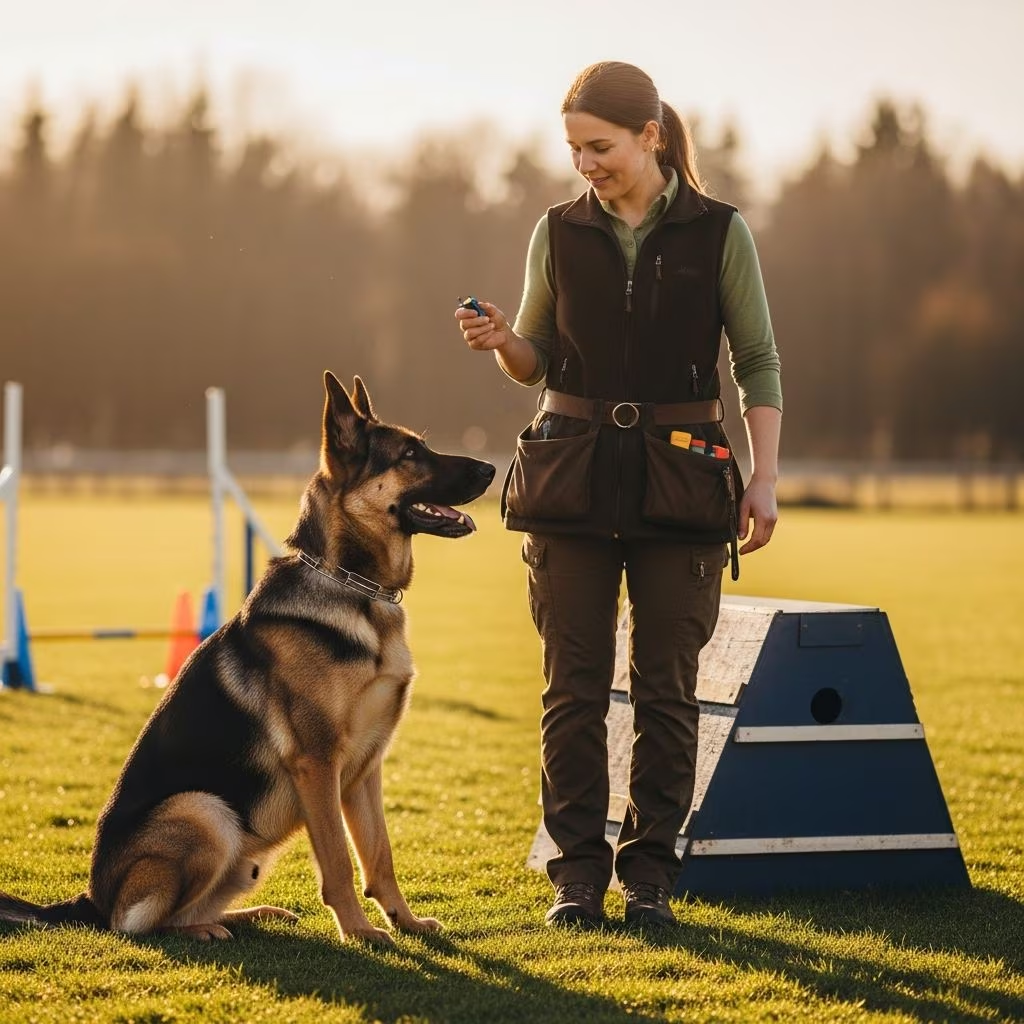
Large and giant breed dogs bring immense joy, loyalty, and presence into our lives, but their size demands specialized training approaches to ensure safety and good behavior. Starting early with consistent, positive methods helps these powerful pups become reliable companions who can navigate daily life without overwhelming their owners or others.
Why Early Training Matters for Big Pups
Giant breeds grow rapidly, often reaching significant size and strength by 6-7 months. Beginning obedience and socialization at 8 weeks prevents issues like pulling on leashes or lunging at strangers.Positive reinforcement—using treats, praise, and play—builds desired habits while avoiding fear-based tactics that could amplify reactivity in strong dogs.
Owners of breeds like Great Danes, Mastiffs, or Irish Wolfhounds report that early intervention turns potential challenges into strengths. Short, daily sessions keep puppies engaged without fatigue, fostering lifelong learning.
Essential Obedience Commands for Powerhouses
Core commands form the bedrock of control. Focus on these to manage your dog’s power effectively:
- Sit and Stay: Teach by luring with treats, rewarding calm positions. Vital for greetings and waiting at doors.
- Come (Recall): Practice in low-distraction areas, using high-value rewards. Crucial for off-leash safety.
- Heel: Builds loose-leash walking; start indoors, gradually adding distance.
Consistency across family members prevents confusion. Use the same cues and rewards every time for faster results.
Leash Manners: Controlling the Giant on Walks
Polite leash walking is non-negotiable for large dogs, enabling outings without dragging owners. Begin with a sturdy harness or gentle leader to redirect pulling without discomfort.
Techniques include stopping movement when tension occurs, rewarding slack lines. Advanced steps add “walk away” turns for dodging triggers like other dogs. This U-turn cue de-escalates arousal quickly, protecting both dog and handler.
| Common Leash Issue | Solution | Tools Needed |
|---|---|---|
| Pulling Forward | Stop and wait for slack; reward steps at side | Harness, high-value treats |
| Lunging at Distractions | Emergency U-turn; change direction promptly | 6-ft leash, clicker |
| High Energy Pulls | Pre-walk exercise; mat settle first | Long line for practice |
Socialization Strategies for Imposing Pups
Expose big puppies to diverse people, dogs, and environments before 16 weeks, when fear periods peak. Controlled setups—like puppy classes—teach polite greetings, preventing jumps that could knock over guests.
Desensitize to handling: Gently touch paws, ears, and mouth daily, pairing with treats. This eases vet visits and grooming for dogs over 100 pounds.
Exercise and Mental Enrichment Routines
Large breeds need 60-90 minutes of daily activity to curb boredom-driven destruction. Combine physical outlets with brain games:
- Daily walks or runs tailored to breed stamina.
- Puzzle toys stuffed with kibble for scent work.
- Interactive fetch with large balls to burn energy safely.
Mental tasks like scent detection build focus, reducing reactivity.
Fun and Feasible Tricks for Big Dogs
Tricks boost confidence and body awareness without handler-dependent moves. Novice options:
- Fetch and drop-it for control.
- High-five or paw shakes.
- Spin circles or touch a target stick.
Advanced feats like head-down stays, playing dead, or soccer kicks suit giants with prop modifications, such as oversized toys. Avoid balance tricks risking joints.
Props like playground balls or toddler hoops scale perfectly; supervise to prevent chewing.
Handling Unique Challenges of Giant Puppies
T-Rex-sized pups demand firm, calm leadership. Maintain eye contact and authoritative tones to establish respect early. Teach stair navigation slowly with leashes and rewards, preventing clumsy injuries.
Crate training creates a den for rest, aiding housebreaking in breeds prone to separation anxiety.
Health and Safety Considerations
Joint health is paramount; skip high-impact jumps. Use ramps for cars and beds. Nutrition supports growth without obesity, per veterinary guidelines from the American Kennel Club.
Advanced Management Tools
Mat training stations big dogs during meals or visitors, signaling calm. Boundaries like “off furniture” maintain household order.
Common Pitfalls and Fixes
Avoid inconsistent rules or harsh corrections, which heighten fear. Track progress with a journal, adjusting for breed traits.
FAQs
What age should I start training my large breed puppy?
From 8 weeks, focusing on basics to leverage prime learning windows.
Best harness for a pulling Great Dane?
Gentle leader or front-clip harnesses redirect without strain.
How much exercise for a Mastiff?
45-60 minutes daily, split into sessions to protect joints.
Can giant dogs learn agility?
Modified versions yes, emphasizing low-impact skills.
Dealing with jumping on guests?
Tether and mat train; reward four-on-floor greetings.
Building a Lasting Bond Through Training
Training transforms large dogs into polite family members, enhancing shared adventures. Patience yields a confident, responsive partner.
References
- Terrific Tricks to Teach Large and Giant Breed Dogs — American Kennel Club. 2023. https://www.akc.org/expert-advice/training/tricks-large-giant-breeds/
- How to Train a T-Rex (Sized Puppy) — Gulf Coast K9 Dog Training. 2022. https://www.gcdogtraining.com/how-to-train-a-t-rex-sized-puppy/
- Tips for Raising a Well-Behaved Big Dog — Noah’s Ark Animal Shelter. 2024. https://noahsarktx.com/tips-for-raising-a-well-behaved-big-dog/
- Training Tips For HUGE Dog Breeds! (YouTube Video) — McCann Dog Training. 2023-03-15. https://www.youtube.com/watch?v=U6UfjvhWL20
- Training Big Dogs – A Big Responsibility — Whole Dog Journal. 2021-09. https://www.whole-dog-journal.com/training/training-big-dogs/



