

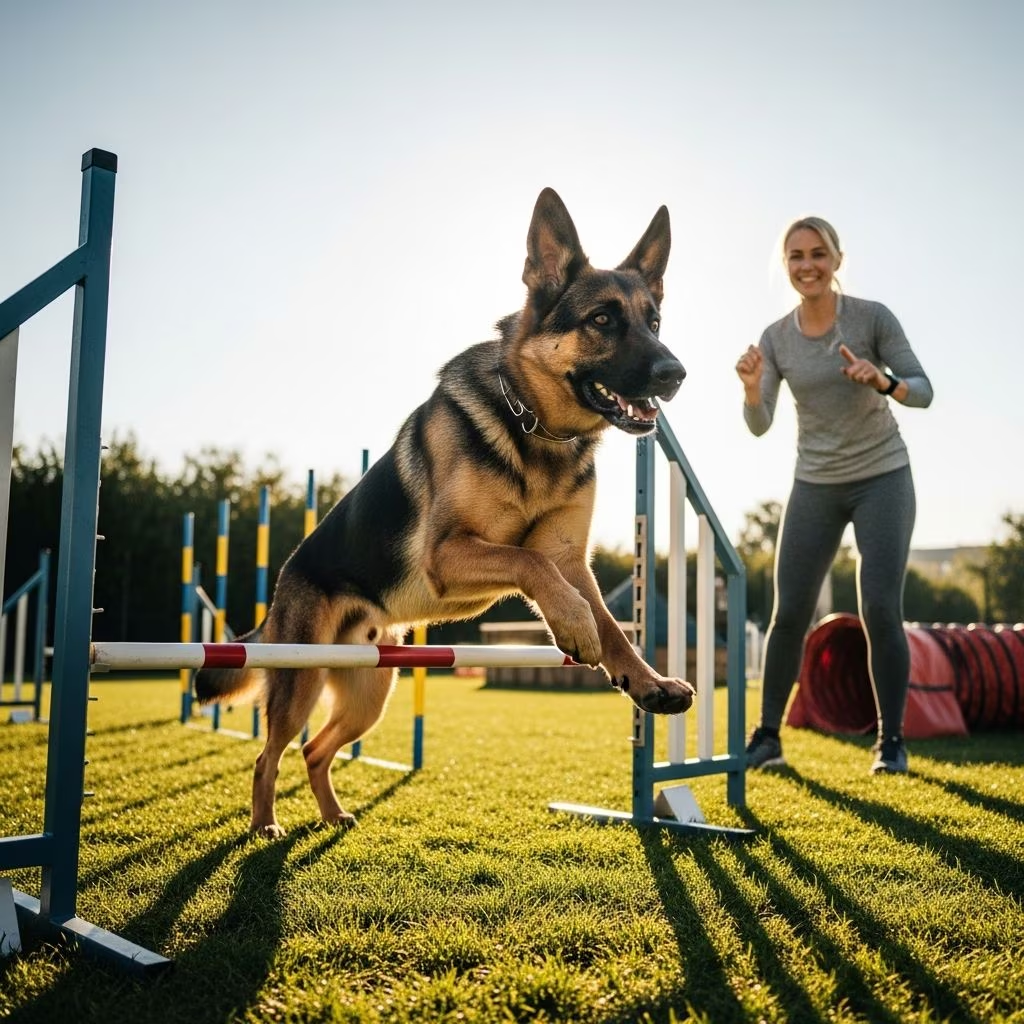
Helping dogs adapt to stairs and elevated platforms is essential for households with multiple levels or furniture they love to access. Whether it’s household stairs or custom pet steps, proper training ensures safety and builds lasting confidence. This guide outlines practical strategies drawn from expert approaches, focusing on positive reinforcement to make navigation enjoyable.
Why Stairs Pose Challenges for Dogs
Dogs encounter stairs differently based on age, breed, and past experiences. Puppies lack coordination, seniors face joint strain, and rescues may carry fears from unknown histories. Slippery surfaces, steep angles, or poor lighting amplify hesitation, potentially leading to slips or avoidance behaviors.
Addressing these early prevents long-term issues like arthritis aggravation or muscle weakness. Training transforms stairs from obstacles into routine pathways, enhancing mobility and reducing injury risks.
Assessing Your Dog’s Needs and Environment
Before starting, evaluate your dog’s physical condition and home setup. Small breeds or those with short legs benefit from pet steps near beds or couches. Larger dogs might need ramp modifications for steep household stairs.
- Physical Check: Consult a vet for joint health, especially in puppies under 6 months or dogs over 7 years, as repetitive stair use can stress developing hips or aging knees.
- Home Audit: Identify all stair types—indoor, outdoor, carpeted vs. hardwood. Note slipperiness, width, and railings.
- Fear Indicators: Watch for trembling, freezing, or backing away, signaling the need for desensitization.
Create a safe zone by adding non-slip mats, lighting, or barriers. For pet steps, choose foam or carpeted models with gradual inclines.
Essential Tools for Effective Training
Gather supplies to set up success:
| Item | Purpose | Tips |
|---|---|---|
| High-value treats (e.g., chicken bits) | Motivate approach and steps | Cut small to avoid overfeeding; use pea-sized pieces |
| Pet stairs or short staircase | Practice area | Start with 2-3 steps; position near favorite spots like beds |
| Leash and cushions | Safety and control | Pillows around edges prevent falls during early sessions |
| Clicker (optional) | Precise marking of good behavior | Pair with treats for faster learning |
Building Confidence: Step-by-Step Upward Training
Begin with upward movement, as it’s often easier and less intimidating than descending.
- Introduce Proximity: Sit at the base with your dog on leash. Lure with a treat to sniff the first step. Praise lavishly for any interest.
- First Contact: Place treats on the lowest step. Encourage paw placement, rewarding immediately. Repeat until comfortable.
- Gradual Ascent: Position dog on the second step (assist gently if needed), treat on the landing. Lower starting point one step at a time as confidence grows.
- Full Climb: Drop treats on intermediate steps to promote slow, deliberate movement. Fade treats over sessions.
Sessions last 5 minutes, 2-3 times daily in quiet times. Most dogs master ups in 3-5 days.
Mastering Downward Navigation Safely
Descending requires more balance, so progress slowly.
- Top Familiarization: Carry or lift dog to the top initially. Reward standing calmly.
- Lure Down: Hold treat at nose level, guide to the next step down. Mark and reward each paw movement.
- Reverse Progression: Start from higher points, using pillows for safety. Encourage front paws first, then hind.
- Independent Descent: Remove lures, cue with voice, reinforce speed control to avoid bounding.
For fearful dogs, repeat approach exercises from the top, sitting and calling them down.
Overcoming Common Fears and Resistance
If avoidance persists:
- Desensitization: Sit midway, call dog closer with treats until stairs feel neutral.
- Counter-Conditioning: Pair stairs with play or toys, not just food, for broader positivity.
- Assisted Starts: Place front paws on steps, reward for hind leg follow-through.
- Professional Help: For severe phobias, enlist a certified trainer.
Patience prevents setbacks; rushing amplifies anxiety.
Adapting Training for Puppies, Adults, and Seniors
Puppies (Under 6 Months)
Limit sessions to avoid joint stress. Use very short stairs or decks; focus on fun exploration. Carry down until 12-16 weeks to protect growth plates.
Adult Dogs
Quick learners; emphasize politeness like waiting for cues to prevent bolting.
Senior Dogs
Prioritize ramps over stairs for arthritis relief. Short, frequent practices build hind strength slowly. Monitor for fatigue.
Enhancing Stair Use with Health and Exercise Benefits
Controlled stair work strengthens hindquarters, improving stability and preventing injuries. Integrate into routines post-vet clearance, walking slowly on leash for maximum muscle engagement.
Preventing Mishaps: Long-Term Safety Measures
- Install railings and grippy surfaces.
- Supervise until proficient.
- Teach “wait” at tops/bottoms.
- Regular vet checks for mobility changes.
Frequently Asked Questions (FAQs)
How long does stair training take?
Typically 3-10 sessions for most dogs, longer for fearful ones.
Can all dogs learn stairs?
Yes, with adaptations like ramps for severe mobility issues.
Is it safe for puppies?
Limit until mature; use shallow steps.
What if my dog regresses?
Return to earlier steps, rebuild with high rewards.
Do I need pet stairs?
Ideal for small/senior dogs accessing furniture.
Advanced Techniques for Polite Stair Manners
Teach dogs to yield right-of-way: Practice “wait” at landings, releasing on cue. Use for multi-pet homes or busy households.
Incorporate into daily walks: Slow climbs build endurance safely.
References
- How to Teach Your Puppy to Navigate Stairs Safely — Happy With Dogs. Accessed 2026. https://happywithdogs.com/teach-puppy-navigate-stairs-safely/
- Training for dogs afraid of stairs — Dogkind Training. Accessed 2026. https://www.dogkindtraining.com/blog/stairs-training
- Teach Your Dog to Go Up and Down Stairs — Healthy Paws Pet Insurance. Accessed 2026. https://www.healthypawspetinsurance.com/blog/dog-care/teach-dog-to-go-up-and-down-stairs.html
- How To Teach A Dog To Use Pet Stairs | Chewtorials — YouTube/Chewy. Accessed 2026. https://www.youtube.com/watch?v=FhSbF53W9CQ
- Dog Exercise-Stairs — TopDog Health (YouTube). Accessed 2026. https://www.youtube.com/watch?v=9_NVfBi7FeQ
- How to Safely Teach your Pup to Navigate Stairs — McCann Dogs. Accessed 2026. https://www.mccanndogs.com/blogs/articles/how-to-safely-teach-your-pup-to-navigate-stairs



