
Mastering the Stay Command for Dogs
Unlock reliable obedience with our proven step-by-step guide to teaching your dog the essential stay command for safety and control.
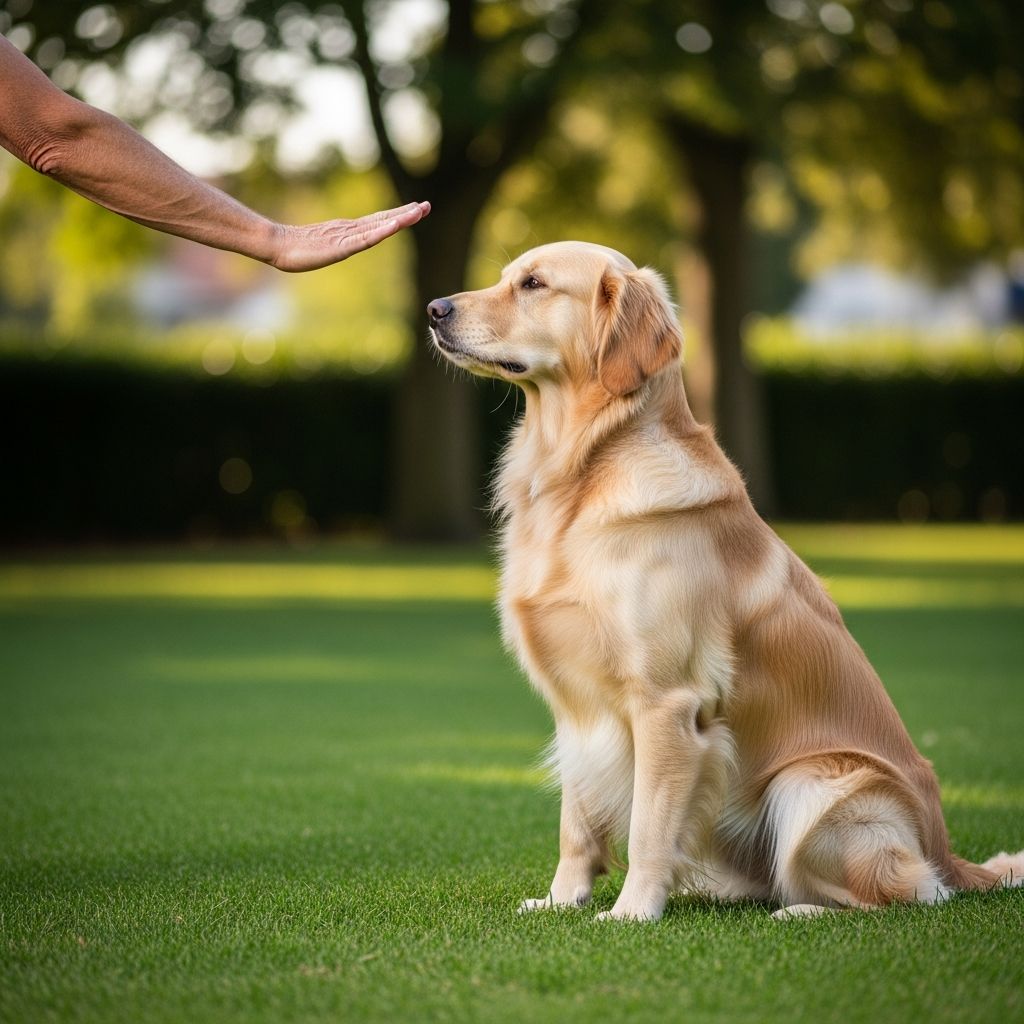
The stay command stands as one of the most critical skills in a dog’s training repertoire, promoting safety during walks, vet visits, or busy households. This foundational obedience cue prevents impulsive movements that could lead to accidents, fostering a stronger bond between pet and owner through clear communication and positive reinforcement.
Why the Stay Command Matters in Everyday Life
Implementing a solid stay helps manage high-energy environments where dogs might otherwise dash toward traffic or strangers. Experts emphasize its role in emergency scenarios, such as holding position near doorways or during meal times to curb begging behaviors. Reliability in stay translates to fewer stressful situations for owners and enhanced confidence for dogs, who thrive on predictable routines.
Beyond safety, mastering stay builds impulse control, a key aspect of canine development. Puppies learn patience, reducing issues like jumping or nipping, while adult dogs refine focus amid chaos. Consistent practice yields a well-mannered companion ready for advanced training.
Essential Preparations Before Training Begins
Success hinges on optimal conditions: select high-value treats like small bits of cheese or chicken to motivate engagement. Choose a distraction-free indoor space initially, armed with a leash for gentle guidance if needed. Sessions should last 5-10 minutes, occurring multiple times daily to leverage short attention spans.
- Tools needed: Treats, clicker (optional for marking good behavior), leash.
- Mindset: Patience and positivity; end on a high note.
- Dog’s readiness: Basic sit or down command proficiency.
Positive reinforcement forms the backbone, rewarding desired actions to encourage repetition without force.
Building the Foundation: Introducing the Cue
Begin with your dog in a sit or down position, as down offers stability for longer holds. Extend your palm like a stop sign toward their nose, utter “stay” in a firm, calm tone, and pause for 1-2 seconds before delivering a treat while they remain still.
Repeat 5-10 times per session, always returning to their side for the reward to reinforce position holding. This initial phase imprints the verbal and visual signal, associating it with rewards.
| Step | Action | Duration Goal |
|---|---|---|
| 1 | Sit/Down + Hand Signal + “Stay” | 1-2 seconds |
| 2 | Treat while in position | Immediate |
| 3 | Repeat with slight pause increase | 3-5 seconds |
Extending Duration for Patient Pups
Once basics stick, layer in time. Command stay, count silently to three, then reward. Increment by 2-3 seconds per successful round, aiming for 15-30 seconds before advancing. Vary pauses unpredictably to prevent anticipation.
Use a release word like “okay” or “free” after rewards, tossing treats away to signal end, preventing premature breaks. Multiple treats during extended stays remind the dog the task continues.
- Practice in 1-minute bursts, 3-4 times daily.
- Watch for strain signs like whining; dial back if needed.
- Pro tip: Reward preemptively if break seems imminent.
Incorporating Distance Without Losing Focus
With duration solid at 10+ seconds, introduce movement. Say stay, take one sidestep left or right, pause briefly, return, and reward. Avoid backing up initially, as it invites following.
Gradually add steps: 2-3, then 5-10, always returning to treat. Sidestepping builds confidence without creeping backward. Once comfortable, incorporate small backward steps, increasing to room’s length over sessions.
For puppies, leash attachment prevents wandering, applying gentle tension only if necessary before marking success.
Conquering Distractions for Real-World Proofing
The ultimate test: distractions. Start mild—clap hands or drop a toy—while holding short stays nearby. Reward heavily for compliance. Progress to moderate (family members entering) then high (outdoor noises, other dogs).
Train across environments: living room to yard, quiet park to bustling street. Randomize elements for generalization.
| Distraction Level | Examples | Training Tip |
|---|---|---|
| Low | Hand claps, toy drops | Stay close, short duration |
| Medium | Door knocks, people walking by | Moderate distance |
| High | Other pets, traffic sounds | Combine all Ds |
Common Challenges and Troubleshooting Solutions
Dogs often break early due to excitement or confusion. If creeping occurs, calmly reset without scolding, restarting shorter. Hyperactivity? Tire them with play first.
For stubborn cases, down-stay proves easier than sit due to lower center of gravity. Inconsistent results stem from skipped releases or varying cues—standardize them.
- Creeping: Use leash to guide back gently.
- Anticipation: Vary timings and distances.
- Boredom: Rotate treats and locations.
Advanced Techniques for Polished Performance
Once basics master, add turns (face away), longer durations (1-5 minutes), or stays from different positions like stand. Integrate into routines: pre-feeding or doorbell drills.
Group classes expose to peer distractions, accelerating progress. Certified trainers via organizations like AKC offer tailored guidance.
Age-Specific Training Adjustments
Puppies under 6 months excel with play-based sessions, short and frequent. Adults may need higher-value motivators for ingrained habits. Seniors benefit from gentler paces, focusing on comfort.
All ages respond to consistency; track progress in a journal for motivation.
Benefits Beyond Obedience: Health and Bonding
Reliable stays reduce injury risks, aiding vet exams or grooming. Mentally, it stimulates focus, combating anxiety. Owners report deeper trust and joy in shared activities.
Frequently Asked Questions
How long until my dog learns stay?
Basics in 1-2 weeks with daily practice; full reliability in 4-6 weeks.
What if my dog ignores the command?
Revert to shorter durations/distances; ensure treats are enticing.
Can I train without treats?
Praise and toys work, but treats accelerate learning.
Is stay suitable for all breeds?
Yes, adaptable to high-drive herding dogs or laid-back lap breeds.
How to maintain the skill long-term?
Weekly refreshers in varied settings.
References
- How to Teach your Dog to Stay in 3 Steps Force Free! — YouTube (Dog Training Revolution). Accessed 2026. https://www.youtube.com/watch?v=GAziMECDxD0
- Train Your Dog To Stay — RSPCA. Accessed 2026. https://www.rspca.org.uk/adviceandwelfare/pets/dogs/training/stay
- How To Teach a Dog to Stay: A Step-by-Step Guide — Chewy. Accessed 2026. https://www.chewy.com/education/dog/training-and-behavior/basic-dog-training-commands-stay
- How To Teach a Dog To Stay — PetMD. Accessed 2026. https://www.petmd.com/dog/training-and-behavior/how-to-teach-a-dog-to-stay
- How to Teach Your Dog to Stay — American Kennel Club (AKC). Accessed 2026. https://www.akc.org/expert-advice/training/teach-your-dog-to-stay/
- EASILY Teach Your Dog The STAY Command — YouTube (Sit Stay Learn). Accessed 2026. https://www.youtube.com/watch?v=s5iD8eN89bo
Similar Articles








Read full bio of Sneha Tete




