
Mastering the Stand Command for Dogs
Unlock essential dog training skills with our step-by-step guide to teaching the stand command, perfect for better behavior and vet visits.
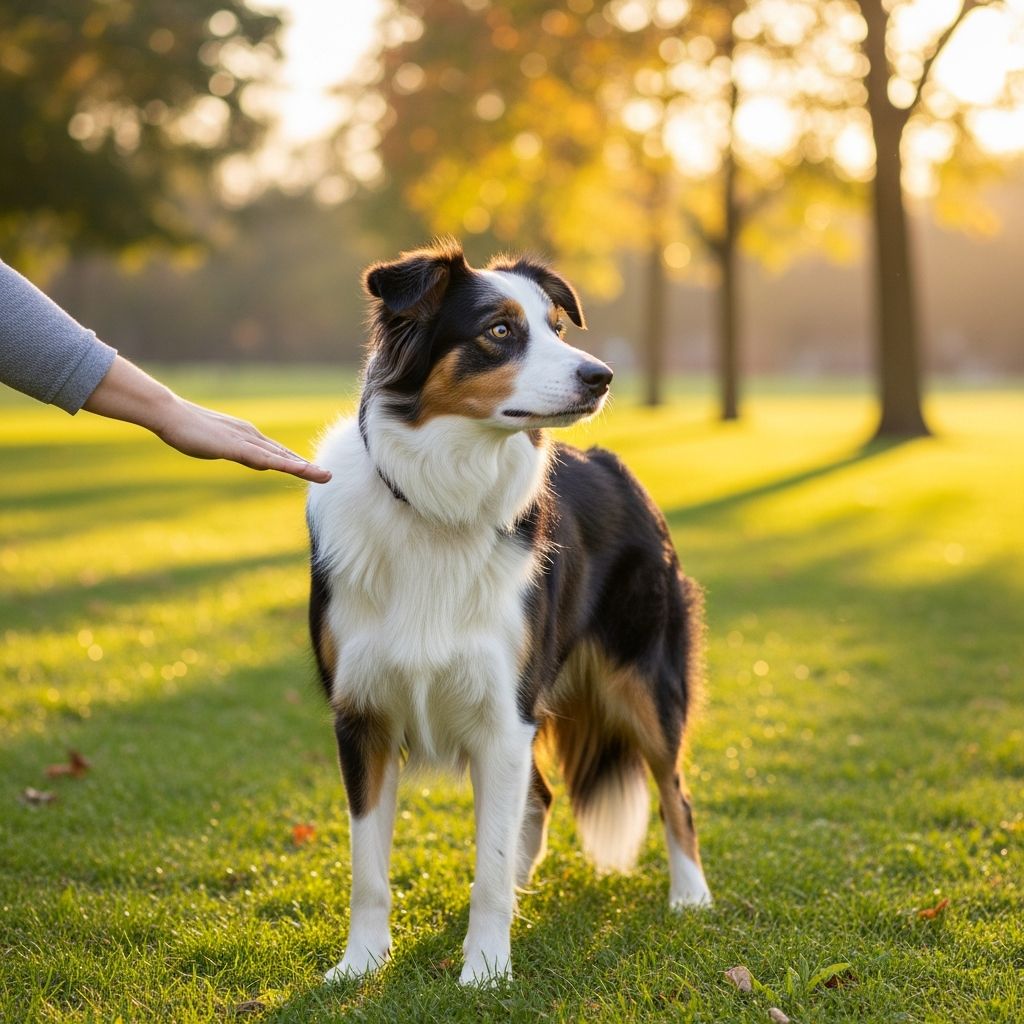
The stand command is a foundational skill in dog training that promotes discipline, facilitates grooming, and aids veterinary examinations. Unlike sit or down, standing requires balance and focus, making it slightly more challenging but highly rewarding for both dog and owner.
Why Teach Your Dog to Stand?
Teaching your dog to stand on cue offers practical benefits beyond basic obedience. It prepares dogs for hands-on care like nail trimming or health checks, where immobility is crucial. In competitive settings, such as dog shows or agility trials, a solid stand enhances presentation and performance. For everyday pet owners, it improves control during walks or interactions with strangers, reducing unwanted jumping or pulling.
Regular practice builds muscle tone and confidence, contributing to overall physical health. Dogs that master standing respond better to multi-command sequences, like sit-stand-down transitions, fostering mental sharpness.
Essential Preparation Before Training
Success starts with the right setup. Choose a quiet, distraction-free area to help your dog concentrate. Gather high-value treats—small, soft pieces like cheese or chicken work best to maintain motivation. A clicker or consistent marker word such as “yes” provides precise timing for rewards.
Ensure your dog knows basic cues like sit beforehand, as many methods build from this position. Sessions should last 5-10 minutes, 3-5 times daily, to prevent fatigue. Always end on a positive note with play or praise to keep training enjoyable.
- Low-distraction environment: Indoors or fenced yard.
- Treats: Varied to prevent boredom.
- Tools: Clicker, leash for stability if needed.
- Mindset: Patience and consistency from the handler.
Core Training Methods: Luring Technique
The luring method uses food to guide your dog into position, ideal for beginners and puppies. Start with your dog in a sit. Hold a treat at nose level and slowly move it forward in a straight line parallel to the ground. As your dog stretches to follow, it will naturally rise into a stand. Mark the exact moment all four feet are planted with your clicker or word, then reward immediately while standing.
Repeat 5-10 times per session. Once reliable, fade the treat by using an empty hand for the lure, rewarding from the opposite hand. This transitions to a hand signal: palm up, moving forward. Introduce the verbal cue “stand” just before the signal.
| Step | Action | Tips |
|---|---|---|
| 1. Lure with treat | From sit, move treat forward | Keep motion slow and straight |
| 2. Mark and reward | Click when standing | Treat in position, don’t release yet |
| 3. Empty hand lure | Mimic motion without food | Reward quickly from other hand |
| 4. Add verbal cue | Say “stand” before hand signal | Practice 20+ reps for reliability |
Alternative: Capturing Natural Stands
For dogs that stand spontaneously, capture the behavior. Observe and mark with a click or “yes” the instant your dog stands on its own, followed by a treat. Over time, the dog associates standing with rewards and offers it more frequently. Add the hand signal and cue once stands occur consistently.
This passive approach suits independent breeds but requires vigilance. Combine with play to boost frequency—toss a toy and mark stands during retrieval setups.
Shaping for Precision and Duration
Shaping refines the stand by rewarding incremental improvements. Begin with any lift of the front end from sit, then require full extension of all legs, followed by holding position for 1-2 seconds. Gradually increase duration to 10+ seconds using intermittent rewards.
Incorporate a release cue like “okay” or “free” to signal when standing ends. This teaches boundaries, preventing premature breaks. For show dogs, add “stand-stay” and focus commands to lock eyes and position.
Advanced Proofing and Generalization
Proofing tests reliability in real-world scenarios. Practice from different starting positions: down to stand or loose leash walks. Introduce mild distractions like toys or family members, rewarding calm stands.
Walk around your dog during stands; if it moves, calmly reset without reward. Vary locations—indoors to outdoors, quiet to busy parks. For competition prep, teach foot stacking: gently adjust paws into
Similar Articles








Read full bio of medha deb




