

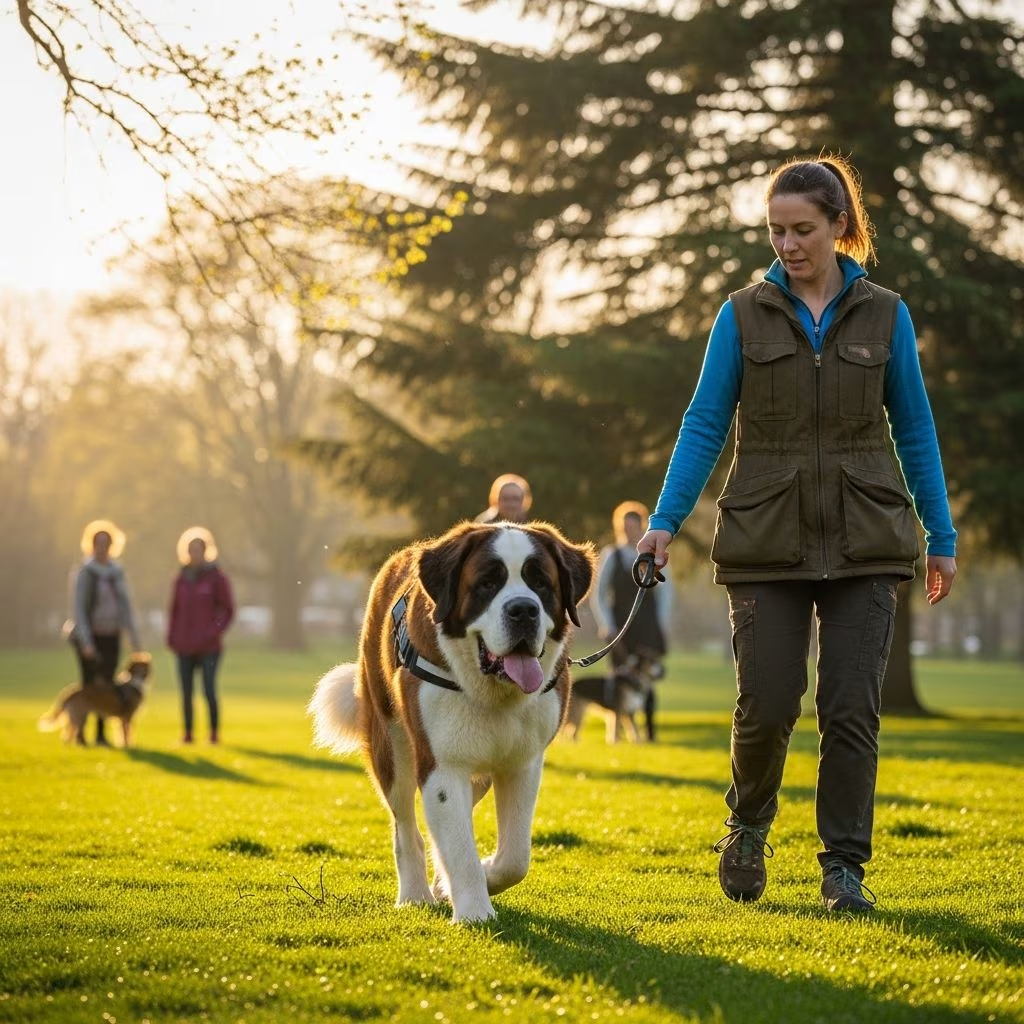
St. Bernards, renowned for their massive size and gentle temperament, require thoughtful training approaches to thrive as family companions. These gentle giants can weigh up to 180 pounds as adults, making early and consistent training crucial for safety and harmony in the home. This guide provides a fresh roadmap to developing a well-mannered St. Bernard, emphasizing positive methods that leverage their intelligence and eagerness to please.
Understanding the St. Bernard Temperament
Before diving into techniques, grasp what makes St. Bernards unique. Originating from the Swiss Alps as rescue dogs, they possess a calm, patient nature paired with remarkable strength. Their independent streak, inherited from working heritage, means they respond best to firm yet kind leadership rather than harsh corrections. Patience is key, as their size amplifies small behavioral issues into big problems if unaddressed.
Adult St. Bernards often exhibit loyalty and affection, but puppies are playful and clumsy. Training capitalizes on their desire to bond, using rewards to encourage compliance. Consistency across family members prevents confusion, ensuring commands remain clear.
Building a Solid Training Foundation
Success begins with preparation. Assemble high-value treats like soft cheese or chicken bits, a sturdy leash, and a quiet space free from distractions. Short sessions—5 to 10 minutes—multiple times daily suit their attention span. Track progress in a journal to identify patterns and celebrate milestones.
- Choose the right tools: Opt for a flat collar or harness suited for large breeds to avoid neck strain.
- Set house rules early: Decide on boundaries like no jumping on furniture to prevent reinforcement of unwanted habits.
- Involve the family: Everyone uses the same words and rewards for unity.
Essential Puppy Socialization Strategies
Socialization shapes a confident adult St. Bernard. From 8 to 16 weeks, expose your puppy to diverse stimuli: people, sounds, surfaces, and animals. Gradual introduction prevents fear-based reactions, common in giant breeds due to their imposing presence.
Host controlled playdates at dog parks or enroll in puppy classes. Reward calm interactions with praise and pets under the chin to promote relaxation. Avoid overwhelming scenarios; if your pup shows hesitation, redirect gently and retry later.
| Age Range | Socialization Focus | Example Activities |
|---|---|---|
| 8-12 weeks | Household noises | Vacuum, doorbell, gentle handling |
| 12-16 weeks | People variety | Visitors, children, strangers |
| 16+ weeks | Other animals | Leashed walks near dogs |
Leash Manners for Powerful Pups
Leash training prevents pulling that could overpower owners. Start indoors with a drag line—a long leash allowing free movement. Call your pup to you, rewarding loose-leash following. Outdoors, use two points of contact: leash and gentle collar guidance.
For stubborn pulls, stop walking until slack returns, then proceed with praise. Practice “heel” by luring with treats at your side, gradually fading them. This builds muscle memory for safe neighborhood strolls, vital near traffic.
- Attach leash loosely.
- Walk a few steps; reward beside you.
- Increase distance, introducing turns.
- Practice daily, varying environments.
Housebreaking Your Giant Puppy
House training demands vigilance given St. Bernard puppies’ large bladders and output. Establish a schedule: outings upon waking, post-meals (15 minutes after), and every 2-3 hours. Designate a potty area with a cue like “go potty.”
Accidents happen—interrupt mid-act by clapping, then rush outside, praising success. Clean mishaps with enzymatic cleaners to erase scents. Crate training aids: confine when unsupervised, as dogs avoid soiling dens. Overnight, limit water after 8 PM.
Sample Daily Schedule
- 6 AM: Wake and potty
- 7 AM: Breakfast, potty 15 min later
- 10 AM: Mid-morning potty
- 12 PM: Lunch, potty
- 3 PM: Afternoon break
- 6 PM: Dinner, potty
- 9 PM: Final potty and bedtime
Core Obedience Commands Every St. Bernard Needs
Basic commands form the bedrock. Teach “sit” by holding a treat above nose level, moving it back until haunches drop—reward instantly. “Stay” builds from sit: step back one pace, return before release, extending duration.
“Come” or recall is lifesaver—practice in safe areas, calling enthusiastically with rewards. Advanced: “down” from sit by luring downward; “leave it” for dropping items; “off” for furniture. Repetition cements these, with calm tones signaling authority.
Use physical prompts initially: gentle butt pressure for sit, leash pull for heel. Positive voice—warm for praise, firm for commands—pairs with actions.
Positive Reinforcement: The Heart of Effective Training
St. Bernards flourish under positivity. Praise profusely post-good behavior: verbal “good boy!” plus strokes or play. Treats enhance but wean to 80% praise for lasting motivation. Timing matters—reward within 3 seconds of action.
Avoid scolding; it fosters fear. For errors, redirect: if chewing shoes, offer toy and praise engagement. This leader mindset—calm, consistent—positions you as pack guide.
Overcoming Common Training Hurdles
Stubbornness arises from boredom or adolescence (6-18 months). Shorten sessions, vary routines. Reactivity to dogs/people? Counter-condition with distance, rewarding calm. Use head collars for control without force.
Jumping? Turn away, reward four-on-floor. Destructive chewing? Provide Kongs with frozen peanut butter. Persistence pays; regressions signal stress—revert to basics.
Advanced Training for Show and Sport
Beyond basics, teach stacking for conformation: position legs squarely on elevated surfaces initially. Gaiting involves trotting straight lines, praising pace. These refine movement, benefiting health checks too.
Agility or therapy work suits mellow adults. Enroll in obedience trials for mental stimulation, channeling their smarts.
Health Considerations in Training
Joint issues like hip dysplasia plague giants—avoid high jumps, use ramps. Short, frequent sessions prevent obesity. Monitor growth; rapid spurts strain developing bones.
FAQs
How long does it take to train a St. Bernard?
Basics in 4-6 weeks with daily practice; full reliability takes 6-12 months.
Are St. Bernards hard to train?
No, their intelligence shines with patience and positivity; consistency conquers independence.
Best age to start training?
Day one—house rules and name recognition from 8 weeks.
Can treats be overused?
Yes, phase out after basics; praise sustains long-term.
What if my St. Bernard pulls on leash?
Stop motion, reward slack; tools like front-clip harnesses help.
Long-Term Maintenance
Training is lifelong. Weekly refreshers, new tricks keep skills sharp. Annual classes reinforce socialization. A trained St. Bernard rewards with unwavering devotion and safety.
References
- Saint Bernard Club of America: Caring for Your Saint Bernard — Saint Bernard Club of America. 2023. https://saintbernardclubofamerica.club/caring-for-your-saint-bernard/
- Training & Behaviour — The Saint Bernard Club Inc. 2024. http://www.stbernard.org.au/training–behaviour.html
- St. Bernard Dog Breed Guide — BorrowMyDoggy. 2025-01-15. https://www.borrowmydoggy.com/doggypedia/dog-breed-guides-st-bernard
- Teaching Giant St. Bernard Sit, Stay, Heel, Down & More! — YouTube (Southend Dog Training). 2023-05-20. https://www.youtube.com/watch?v=fnucEK0WZXw



