

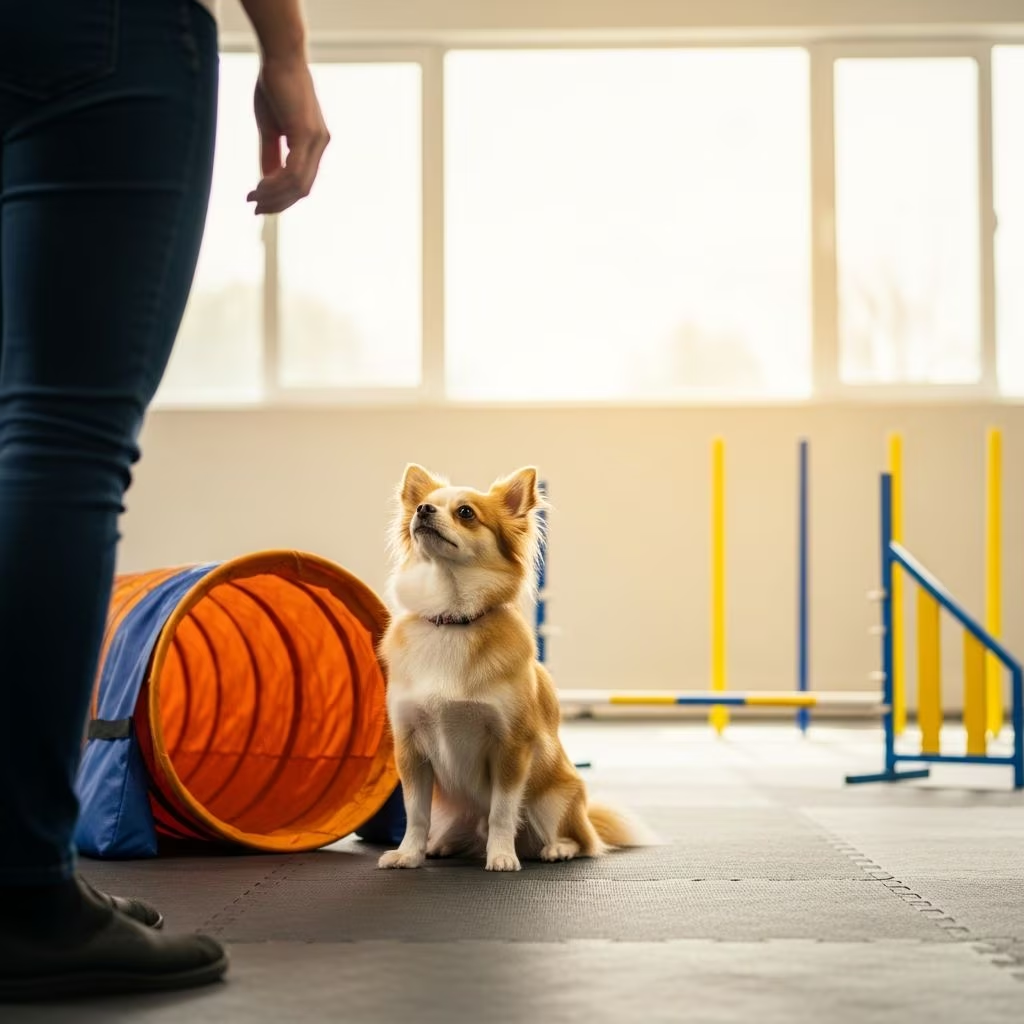
Small dogs bring immense joy with their compact size and lively personalities, but training them requires tailored approaches to match their unique needs. Unlike larger breeds, tiny canines often face misconceptions that they don’t need formal training, leading to behavioral issues like excessive barking or poor leash etiquette. This guide explores practical methods to build good habits, foster trust, and ensure your petite pup thrives in any environment.
Why Small Dogs Need Specialized Training
Tiny breeds, typically under 20 pounds, encounter distinct challenges during training. Their small stature makes human interactions intimidating, as towering over them can trigger fear responses. Owners frequently overlook these dogs’ needs, assuming size equates to simplicity in handling. In reality, small dogs benefit from consistent, gentle methods that respect their vulnerability.
Common pitfalls include inconsistent commands, which confuse these quick learners with short attention spans. Without structure, issues like ‘small dog syndrome’—characterized by demanding behavior and poor manners—emerge. Addressing these early promotes a balanced companion welcome everywhere dogs are permitted.
- Short attention spans demand brief sessions.
- Physical vulnerability requires soft handling.
- Socialization gaps lead to fear-based reactions.
Building Trust Through Gentle Communication
The foundation of effective small dog training lies in non-threatening interactions. Humans naturally loom large over tiny pets, so adjust your body language to build confidence. Use soft eye contact, subdued gestures, and a calm voice to avoid overwhelming them. Turn sideways and lower your stance—squatting if needed—rather than bending directly over.
This approach minimizes fear, encouraging voluntary engagement. For instance, when initiating contact, invite the dog closer with a treat rather than reaching abruptly. Over time, this fosters a secure bond, making training sessions enjoyable rather than stressful.
Positive Reinforcement: The Core of Success
Positive reinforcement excels for small dogs by rewarding desired actions, building eagerness without fear. Skip punishment; instead, use treats, praise, or play immediately after good behavior. This method strengthens trust and accelerates learning, as tiny pups respond swiftly to clear associations.
Incorporate a clicker for precision: the distinct sound marks the exact moment of success, bridging action and reward. Pair it with pea-sized treats to keep sessions productive without overfeeding. Sessions should last 5-10 minutes, several times daily, ending positively to maintain motivation.
| Reward Type | Benefits for Small Dogs | Examples |
|---|---|---|
| Treats | Quick motivation, low calorie | Pea-sized biscuits, soft chews |
| Praise | Builds emotional bond | “Good pup!”, enthusiastic tone |
| Play | Physical engagement | Tug, short fetch |
| Clicker | Precise timing | Followed by any reward |
Essential Tools for Effortless Training
Equip yourself with breed-appropriate gear to avoid physical strain on both you and your dog. A harness fits better than collars, preventing tracheal damage from pulling. Use short leads for control and long ones for recall practice.
Reach-extending tools like target sticks or spoons with peanut butter allow standing rewards, sparing your back. Smear soft treats on the end for delivery without bending. Crates sized just right—room to stand and turn—aid housebreaking by leveraging natural cleanliness instincts.
- XS harness for comfort.
- Clicker for marking behavior.
- Target stick for positioning.
- Puzzle toys for mental stimulation.
Overcoming Housebreaking Hurdles
House training small dogs demands patience due to tiny bladders and frequent needs. Crate training works wonders: confine briefly after meals, then rush outside. Praise profusely upon success. Consistency in schedule—every 2-3 hours—prevents accidents.
For indoor options, use pee pads initially, transitioning outdoors gradually. Watch for sniffing or circling cues, intervening promptly. Positive outcomes build reliability faster than scolding mishaps.
Leash Manners Without the Strain
Small dogs often pull due to excitement, risking injury. Teach loose-leash walking by rewarding heel position with a target stick. Start indoors: hold the stick at your side, click and treat for nose touches. Progress to outdoors, using high-value rewards.
Avoid arm-dragging by stopping when tension occurs, resuming on slack. Front-paw targeting on your leg simplifies rewards. Short sessions prevent fatigue, yielding polite walkers ready for outings.
Socialization for Confident Tiny Pups
Expose small dogs gradually to stimuli: people, sounds, other animals. Begin in controlled settings, using treats for positive pairings. Elevate on tables for initial greetings, reducing intimidation.
Daily routines incorporate variety—car rides, new surfaces—to curb fear aggression. Well-socialized small dogs greet calmly, enhancing public enjoyment.
Tackling Barking and Attention-Seeking
Excessive vocalization stems from boredom or guarding instincts. Redirect with commands like ‘quiet,’ rewarding silence. Interactive toys occupy during alone time, curbing demands.
Ignore jumping or yapping for attention, responding only to calm behavior. Consistency across family prevents mixed signals.
Teaching Down and Advanced Tricks
Many small dogs resist ‘down’ due to vulnerability on hard floors. Use elevated, soft surfaces like beds or tables. Lure under your hand or a platform edge, rewarding comfort.
Progress to floor with raised mats. Tricks like ‘chin rest’ or ‘jump to arms’ build handling trust—lure onto laps, mark touches, add height gradually. These engage minds, combating stubbornness.
Daily Training Routine Blueprint
Structure yields results. Sample schedule:
- Morning (5 min): Sit, stay, potty review.
- Midday (10 min): Leash practice, recall game.
- Afternoon (5 min): Trick or down on elevated spot.
- Evening (5 min): Socialization exposure, calm settle.
Adjust for energy, always prioritizing fun.
Nutrition and Health in Training
Tiny treats prevent weight gain: quarter-pea size, or kibble portions. Monitor intake, reducing meals if treats dominate. Hydration aids focus; fresh water stations everywhere.
Consult vets for breed-specific needs, ensuring treats suit dietary restrictions.
Common Mistakes to Avoid
Overlooking consistency breeds confusion. Skipping socialization invites reactivity. Bending repeatedly causes owner burnout—use tools. Punishing erodes trust; stick to positives.
FAQs
How often should I train my small dog?
Three to five short sessions daily, 5-10 minutes each, suit their attention spans.
What’s the best treat size for tiny breeds?
Extremely small, like a quarter-pea, to avoid overfeeding during frequent rewards.
Can small dogs learn off-leash recall?
Yes, with gradual long-line practice and high rewards in safe areas.
Why does my small dog hate being picked up?
Fear of looming; train ‘jump to arms’ or ‘chin rest’ for positive associations.
Is crate training cruel for small dogs?
No, when sized properly and used briefly; it leverages natural denning instincts.
References
- Training Tips for Small Dog Breeds — American Kennel Club. 2023-05-15. https://www.akc.org/expert-advice/training/training-tips-small-dogs/
- Training Small Dogs Takes Awareness, Trust — Fear Free Happy Homes. 2022-11-10. https://www.fearfreehappyhomes.com/training-small-dogs-takes-awareness-trust/
- Training Small Dogs: 5 Challenges and Powerful Solutions — Off Leash K9 Training of Oklahoma. 2024-02-20. https://offleashk9oklahoma.com/training-small-dogs-challenges-solutions/
- Ultimate Guide to Small Dogs: Care, Training, Chart & More — Pupford. 2023-08-05. https://pupford.com/blogs/all/ultimate-guide-small-dogs
- Training Tiny Dogs — Whole Dog Journal. 2023-01-12. https://www.whole-dog-journal.com/training/training-tiny-dogs/



