

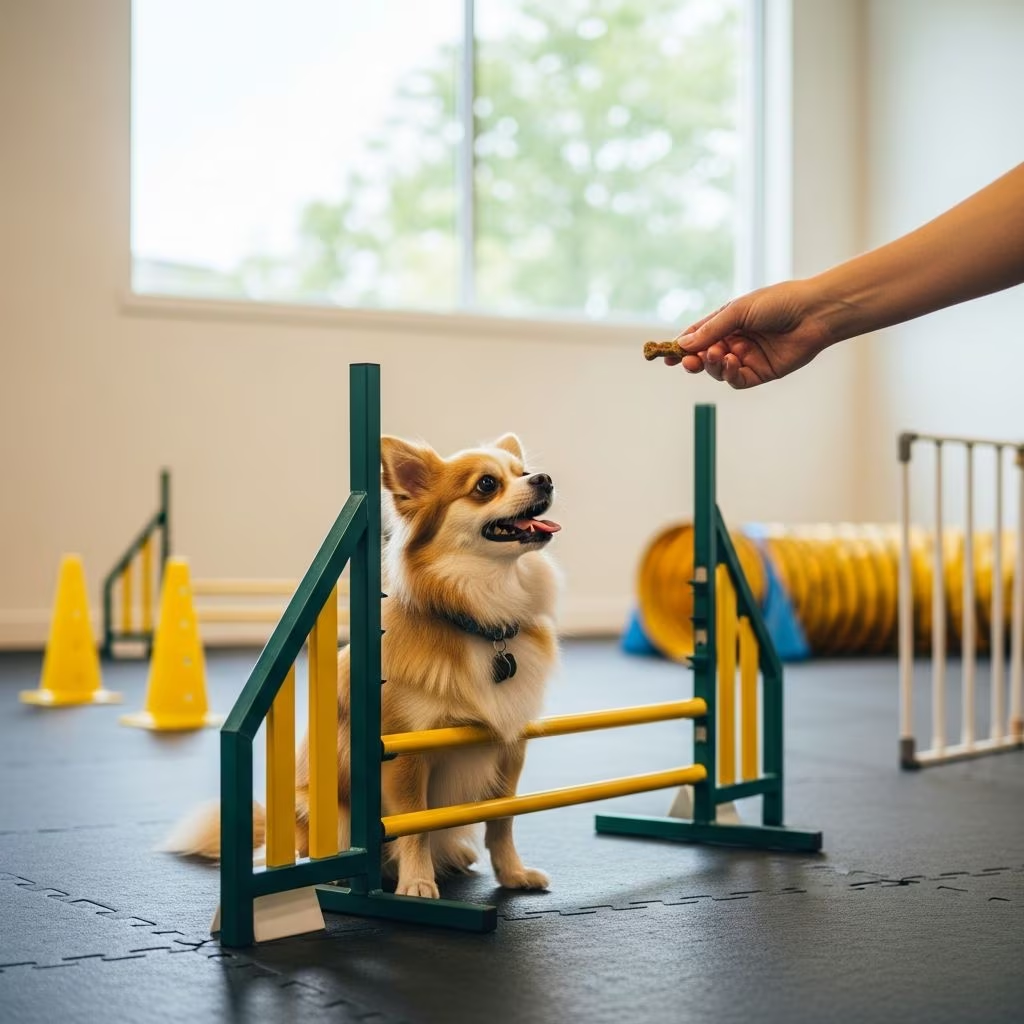
Small dogs bring joy with their compact size and lively personalities, but training them requires tailored approaches to address their unique needs. Unlike larger breeds, small dogs often face physical and behavioral challenges that demand creativity and patience from owners.
Why Small Breeds Need Specialized Training
Petite pups, typically under 20 pounds, develop habits like excessive barking or jumping due to inconsistent handling. Owners may unintentionally reinforce poor behavior by laughing off antics that would be unacceptable in bigger dogs. Establishing firm boundaries early prevents “small dog syndrome,” where these pets act boldly without manners.
Training builds confidence and strengthens the owner-pet bond. Short attention spans mean sessions must be brief yet frequent, focusing on rewards to keep engagement high. Elevation during initial lessons helps dogs feel secure, reducing intimidation from towering humans.
Essential Tools for Effective Small Dog Training
Equipping yourself with the right gear simplifies the process. A properly fitted harness distributes pressure evenly, avoiding neck strain from collars. Crates sized just large enough for standing and turning promote house training without overwhelming the space.
- Harness: Adjustable for small frames, ideal for leash work.
- Leads: Short for control, longer for practice walks.
- Treats: Tiny, high-value pieces for quick rewards.
- Elevation Aids: Sofas, tables, or ramps for comfortable positioning.
Innovative tools like target sticks coated with spreadable treats guide movements without bending down. These aids make rewards accessible, enhancing communication during ground-level skills like heeling.
Building a Strong Foundation: Core Commands
Begin with basics to instill discipline. Teach sit, down, stay, come, heel, and leave it using clear, short cues. For small dogs, practice on elevated surfaces to minimize leaning, fostering trust.
| Command | Purpose | Training Tip |
|---|---|---|
| Sit | Impulse control | Lure with treat above nose, reward instantly. |
| Down | Calming | Gently guide chest to surface from sit position. |
| Stay | Self-control | Start close, increase distance gradually. |
| Come | Safety recall | Use exciting tone, reward heavily. |
| Heel | Leash manners | Practice in low-distraction areas first. |
Consistency across family members ensures commands remain reliable. Vary rewards—treats one day, praise the next—to maintain interest.
Positive Reinforcement: The Gold Standard
Rewarding desired actions trumps punishment, building eagerness without fear. Small dogs thrive on verbal praise, gentle pets, and tiny treats suited to their jaws. Avoid corrections that could spark defensiveness.
Session structure: Keep to 5 minutes, multiple times daily. End positively to associate training with fun. High-value rewards like soft cheese motivate better than kibble.
- Praise: “Good girl!” with enthusiastic tone.
- Treats: Pea-sized, soft varieties.
- Play: Quick tug or fetch bursts.
Overcoming Common Training Challenges
Tackling Stubbornness
Small breeds may seem willful, ignoring cues if unmotivated. Counter with high-reward games and short commands. Patience and routine schedules break through resistance.
Curbs Excessive Barking
Barking stems from boredom or alert instincts. Redirect with toys or commands like “quiet,” rewarding silence. Consistent response prevents escalation.
Master House Training
Frequent potty breaks match small bladders. Crate training leverages den instinct; praise outdoor success lavishly.
Address Small Dog Syndrome
Over-assertiveness arises from lax rules. Enforce boundaries lovingly— no jumping or nipping—treating them as capable equals to larger dogs.
Socialization: Key to a Confident Companion
Expose pups early to varied stimuli: people, dogs, noises, surfaces. Controlled settings build resilience against fear reactions. Leash walks provide mental exercise, curbing anxiety.
Start young, but older small dogs benefit too. Positive encounters with gradual exposure prevent overprotectiveness.
Leash Training and Exercise Adaptations
Skipping walks risks behavioral issues. Use harnesses for comfort; teach loose-leash by rewarding proximity. Mini-agility with household items—tunnels, boxes—boosts confidence and burns energy.
Daily routine sample:
- Morning: 10-minute command review.
- Afternoon: Social walk.
- Evening: Play-based reinforcement.
Advanced Skills and Fun Tricks
Once basics solidify, introduce spins, paw shakes, or weave poles from plungers. These engage minds, reducing mischief. Relationship-building shines through shared adventures.
Daily Routine for Optimal Results
Structure prevents overwhelm:
| Time | Activity |
|---|---|
| 7 AM | Potty, quick sit/stay. |
| 12 PM | Leash practice, come recall. |
| 5 PM | Play with tricks, down-stay. |
| 8 PM | Calm settle training. |
FAQs
How long should small dog training sessions last?
Limit to 5 minutes, repeated 3-5 times daily for best focus.
Can I use the same methods for puppies and adults?
Yes, but puppies need more frequent socialization; adults may require habit-breaking patience.
What if my small dog ignores commands?
Increase reward value and ensure consistency; rule out medical issues.
Is crate training suitable for small breeds?
Absolutely, proper sizing aids housebreaking and provides security.
How do I stop jumping behavior?
Turn away, ignore until all paws down, then reward calm.
Long-Term Success Strategies
Lifelong reinforcement keeps skills sharp. Annual refreshers, new tricks, and health checks maintain progress. Professional classes offer structured socialization.
Owners report calmer homes post-training, with bonds deepened through mutual respect. Invest time now for years of harmony.
References
- Training Tips for Small Dog Breeds — American Kennel Club. 2023-05-15. https://www.akc.org/expert-advice/training/training-tips-small-dogs/
- Top 10 Dog Training Tips — Small Door Veterinary. 2024-02-10. https://www.smalldoorvet.com/learning-center/behavior/top-10-dog-training-tips
- Training Small Dog Breeds — Whole Dog Journal. 2023-08-20. https://www.whole-dog-journal.com/training/training-small-dog-breeds/
- Training Small Dogs: Challenges & Solutions — Off Leash K9 Training of Oklahoma. 2024-01-12. https://offleashk9oklahoma.com/training-small-dogs-challenges-solutions/
- Training Small Dogs Takes Awareness, Trust — Fear Free Happy Homes. 2023-11-05. https://www.fearfreehappyhomes.com/training-small-dogs-takes-awareness-trust/



