

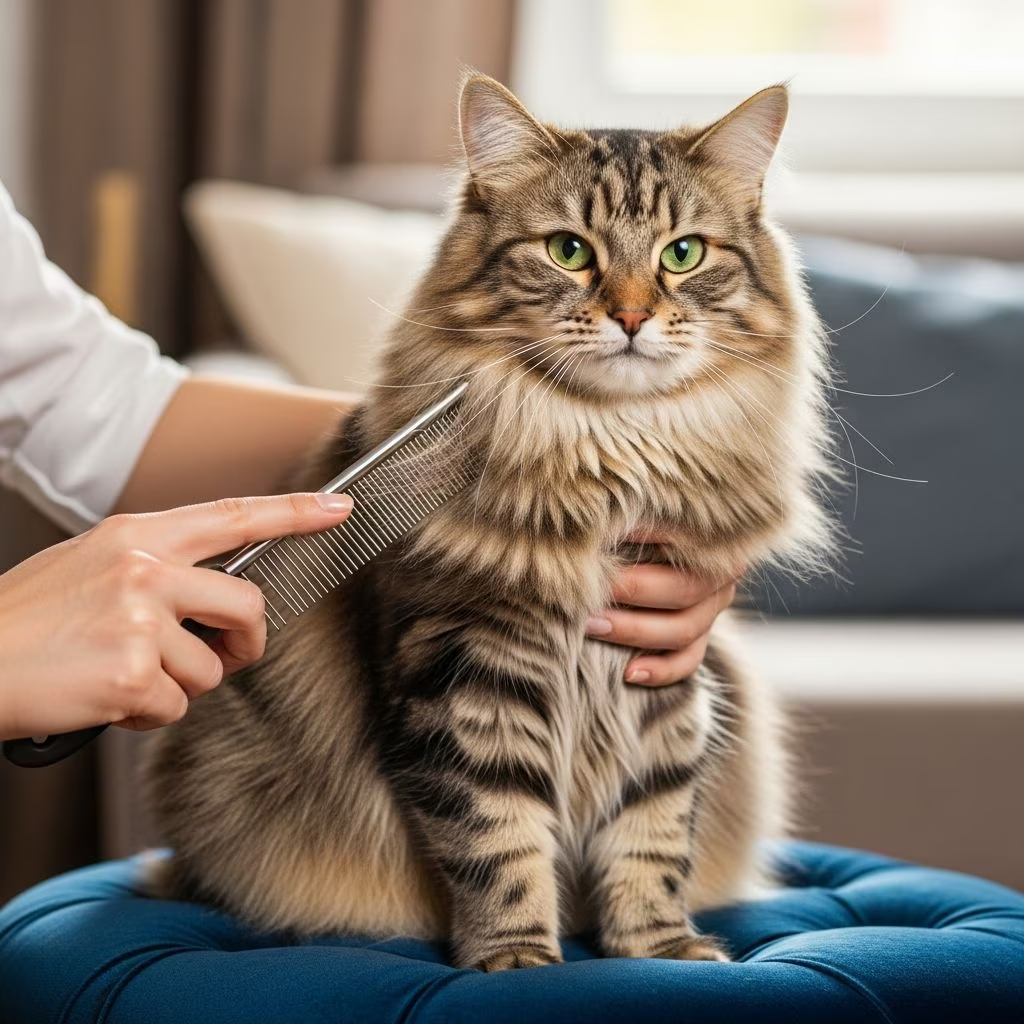
Siberian cats boast one of the most striking features in the feline world: a dense, triple-layered coat that provides insulation against harsh winters while remaining surprisingly low-maintenance. Originating from the cold forests of Russia, these majestic animals have evolved a water-repellent outer layer, a thick insulating middle coat, and a soft undercoat that expands in cooler months and sheds profusely in warmer ones. Proper grooming not only enhances their beauty but also promotes skin health, reduces hairballs, and strengthens the bond between you and your pet. This guide explores everything from daily brushing protocols to advanced care techniques, empowering owners to maintain their Siberian’s coat with confidence.
Understanding the Unique Siberian Coat Structure
The hallmark of a Siberian cat is its luxurious triple coat, which consists of three distinct layers. The outermost guard hairs are long, coarse, and oily, designed to repel water and dirt. Beneath them lies the awn hair, providing bulk and insulation, while the downy undercoat offers warmth and plushness. This structure makes Siberians naturally resilient to matting compared to other long-haired breeds, thanks to abundant natural oils that lubricate the fur.
However, seasonal shedding—peaking in spring and fall—can lead to loose fur accumulation if neglected. During these periods, the undercoat loosens dramatically, potentially forming hidden tangles in high-friction areas like the armpits, belly, and hindquarters. Regular intervention prevents these issues, keeping the coat functional and odor-free. Owners often note that well-groomed Siberians emit a low, pleasant scent due to these oils, unlike breeds prone to stronger odors.
- Guard hairs: Shiny, water-resistant top layer for protection.
- Awn hairs: Medium-length for insulation and volume.
- Undercoat: Soft, dense base that thickens in winter and sheds heavily.
Essential Grooming Tools for Optimal Results
Investing in the right equipment transforms grooming from a chore into an enjoyable ritual. For Siberians, prioritize tools that penetrate the dense coat without irritating sensitive skin. A coated slicker brush excels at loosening surface fur and light detangling, ideal for kittens or seniors. Follow with a wide-toothed comb to reach the undercoat, then a fine-toothed metal comb for precision work on potential knots.
Nail clippers designed for cats ensure safe trimming, preventing scratches during sessions. Cat-safe detangling sprays ease stubborn snags, particularly in tricky spots like behind the ears. For advanced users, a high-velocity dryer aids in undercoat removal post-bath, but introduce it gradually to avoid stress. Avoid human shampoos or harsh de-shedding tools, which can strip natural oils and damage the coat.
| Tool | Purpose | Best For |
|---|---|---|
| Coated Slicker Brush | Loosens top coat and dead skin | Daily maintenance, sensitive skin |
| Wide-Tooth Comb | Removes loose undercoat | Shedding seasons |
| Fine-Tooth Metal Comb | Detects and teases mats | High-friction areas |
| Nail Clippers | Trims claws safely | Weekly checks |
| Detangling Spray | Softens knots | Post-brush or bath |
Building an Effective Brushing Routine
Consistency is key to Siberian coat health. Brush at least once or twice weekly year-round, escalating to 4–7 sessions during shedding peaks. Begin by stroking the cat to locate mats—Siberians rarely develop severe ones, but vigilance pays off. Use fingers to part the fur and check for hidden tangles.
Start with the slicker brush in the direction of hair growth, from head to tail, to collect loose fur. Transition to the wide-tooth comb for deeper penetration, focusing on the ruff, belly, armpits, and pantaloons (fluffy hind leg fur). Finish with a fine comb to polish and stimulate oil production. This sequence mimics natural grooming, relaxing your cat and fostering trust. Sessions should last 10–15 minutes; end with a soft brush for a spa-like finish.
Pro tip: Place a rubber mat under your cat to contain shed fur, and reward with treats to build positive associations. Regular brushing minimizes hairballs, distributes oils for shiny fur, and reduces environmental dander—crucial for allergy sufferers, as Siberians produce less Fel d 1 protein.
Navigating Seasonal Shedding Challenges
Spring and fall bring dramatic undercoat blowouts, where Siberians shed to adapt to temperature shifts. Without intervention, loose hair mats into painful clumps, potentially requiring shaving—a stressful ordeal that disrupts coat regrowth. Ramp up grooming to daily during these 4–6 week periods.
Monitor progress by running hands through the coat; reduced fur on tools signals success. If mats form, tease them gently from the ends with a comb, never pulling. Tiny, tight knots may need careful trimming with rounded scissors, but prioritize gentleness to avoid skin nicks. Persistence in routine prevents escalation—many owners report near-zero matting with diligent care.
Bathing Basics: When and How to Do It Right
Siberians are fastidious self-groomers and rarely need baths, but occasional washing benefits heavy shedders, show prep, or oily coats. Use lukewarm water and pet-specific shampoo (or diluted Dawn for emergencies) to preserve oils. Wet the coat thoroughly, avoiding the head, and massage shampoo into a lather.
Rinse completely to prevent residue itchiness, then use a high-velocity dryer on low heat—test on your inner arm first. Towel-dry gently and air-dry the rest, combing as you go to prevent curls or re-matting. Anxious cats may prefer automatic pet dryers. Bathe no more than quarterly unless medically advised.
Beyond Brushing: Full-Body Maintenance
Comprehensive care extends to nails, ears, teeth, and litter hygiene. Trim nails biweekly, cutting only the clear tip beyond the quick to avoid bleeding. Wipe ears weekly with a damp cloth or vet-approved solution, checking for wax buildup or odor indicative of infection.
Brush teeth 2–3 times weekly with enzymatic paste and a cat toothbrush to combat plaque. Daily litter box scooping prevents dirt tracking, indirectly supporting coat cleanliness. Parasite checks during grooming ensure fleas or ticks don’t compromise skin health.
Common Pitfalls and Pro Tips for Success
Novices often over-brush, irritating skin, or neglect undercoat, leading to mats. Force sessions on resistant cats erode trust—start short and positive. Shaving is a last resort; prevention trumps cure.
- Choose quiet times for grooming to minimize stress.
- Groom post-meal when cats are mellow.
- Store tools accessibly for spontaneity.
- Consult vets for persistent skin issues.
Frequently Asked Questions
How often should I groom my Siberian cat?
Once or twice weekly normally; daily during shedding seasons.
Do Siberian cats mat easily?
No, their oily coat resists matting, but check friction zones regularly.
Is bathing necessary for Siberians?
Rarely; only for heavy shedding or shows.
What if my cat hates grooming?
Introduce gradually with treats; keep sessions brief and rewarding.
Can grooming reduce allergies?
Yes, by removing dander and loose fur effectively.
Long-Term Benefits of Dedicated Grooming
Owners who commit to routines rave about glossy coats, fewer vet visits, and affectionate cats that purr through brushes. Grooming detects health issues early, like lumps or parasites, ensuring longevity. Siberians thrive indoors with this care, avoiding outdoor risks while showcasing their splendor. Embrace the process—your Siberian’s radiant coat will thank you.
References
- Tips for Bathing and Grooming Siberian Cats — Kittens in Dubai. 2023. https://www.kittensindubai.com/grooming
- Guide To Grooming Triple-Coated Siberian Cats — Siberian Cats WA. 2024. https://www.siberiancatswa.com/post/guide-to-grooming-triple-coated-siberian-cats
- The Vet’s Guide to Siberian Cats: Facts, Care, and Training Tips — Vets Love Pets. 2025-01-15. https://vetslovepets.com.au/blogs/cat/siberian-cats-breed-guide
- Siberian Cat Grooming: 4 Vet-Approved Tips & Tricks — Catster. 2024-06-10. https://www.catster.com/cat-health-care/siberian-cat-grooming/
- Grooming a Siberian — Krypto Siberians. 2023. https://www.kryptosiberians.com/info/grooming-a-siberian
- Siberian Cat Grooming — YouTube (Video). 2024. https://www.youtube.com/watch?v=y0WoIbsfiMA



