

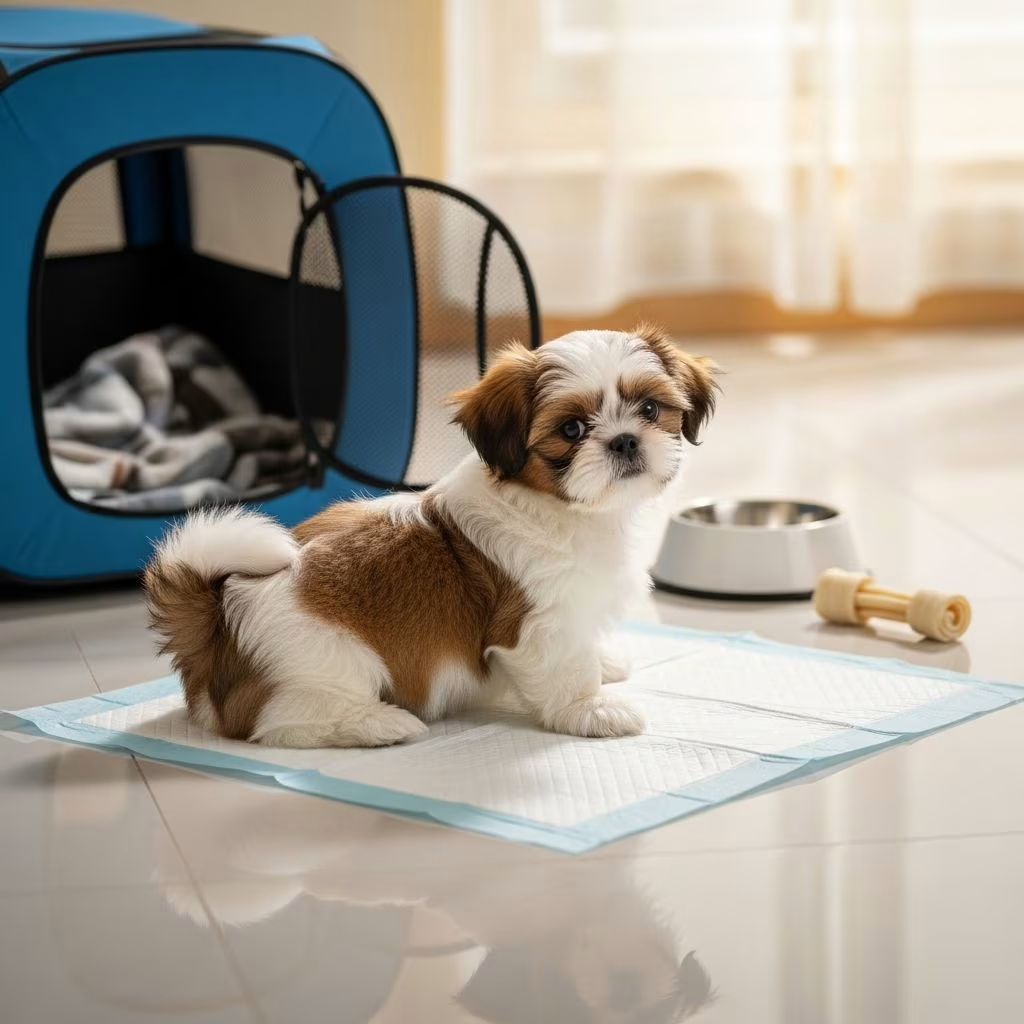
Bringing a Shih Tzu into your home brings joy, but potty training presents unique challenges due to their small bladders and sensitive dispositions. These charming companions thrive on routine and gentle guidance, making success achievable with the right approach. This guide outlines a complete strategy to housebreak your puppy effectively, fostering a happy, accident-free environment.
Understanding Your Shih Tzu’s Needs
Shih Tzus possess tiny bladders that fill quickly, often requiring outings every 2-3 hours, especially after meals, naps, or play. Their affectionate nature means they respond best to positive interactions rather than scolding, which can induce anxiety and setbacks. Starting training immediately upon arrival sets a strong foundation, leveraging their adaptability during the early weeks.
Key factors influencing training speed include age, consistency, and environment. Puppies under 12 weeks learn fastest through repetition, while adults may need reinforcement of prior habits. Create a calm space free from distractions to help them focus on the task.
Building a Solid Daily Routine
A predictable schedule aligns with your puppy’s natural elimination patterns, accelerating learning. Feed at set times—typically three meals for young pups—and escort them outside 15-30 minutes post-meal. Include trips upon waking, before bedtime, and after exciting activities.
- First thing in the morning: Immediate outdoor visit.
- Post-feeding: Within 30 minutes.
- After naps or play: Every 2 hours for pups under 3 months.
- Evening wind-down: Final potty before sleep.
Track successes in a journal to refine timing, noting patterns like frequent needs after water intake. Consistency across family members prevents confusion.
Selecting the Perfect Potty Area
Designate a specific outdoor spot scented with prior visits, triggering instinctual behavior. Use a short leash to guide gently, repeating a cue like “go potty” calmly. For apartment dwellers, balcony or pee pads serve temporarily, transitioning outdoors as feasible.
Weather challenges? Indoor grass patches mimic real turf. Always return to the same location until habits solidify, usually 1-2 weeks of diligent practice.
The Power of Positive Reinforcement
Reward-based training builds confidence without fear. Upon elimination in the correct spot, offer immediate high-value treats and exuberant verbal praise. Pair with a clicker for precise timing: click at the moment of success, followed by reward.
| Behavior | Reward Type | Timing |
|---|---|---|
| Successful outdoor potty | Small treat + praise | Within 3 seconds |
| Signaling need (e.g., whining) | Verbal cheer + quick trip out | Immediate |
| Calm crate wait | Toy or gentle pet | End of session |
Avoid over-treating to prevent weight gain; phase to verbal rewards as proficiency grows.
Incorporating Crate Training Effectively
Crate training leverages dogs’ aversion to soiling sleeping areas, promoting bladder control. Select a crate sized for adult Shih Tzu—cozy but allowing standing and turning. Introduce positively with treats and bedding.
Begin with short confinements (5-10 minutes) post-potty, gradually extending. Use for naps and nights, aiming for 4-6 hours max for young pups. Combine with schedule: crate after play, release for potty.
- Feed meals in crate to associate positivity.
- Practice door closures with rewards.
- Ignore whining; release only after quiet and potty.
Handling Inevitable Accidents Gracefully
Mishaps occur; response determines progress. Catch in act? Interrupt softly with “no,” then rush outside. Post-accident, clean thoroughly with enzymatic cleaners to erase scents attracting repeats.
Never punish—fear hinders open elimination. Instead, supervise closely via baby gates or tethers. Watch signals: circling, sniffing, restlessness signal impending needs.
Age-Specific Training Milestones
Tailor methods to developmental stages for optimal results.
8-12 Weeks: Foundation Building
Frequent outings (hourly initially) paired with crate naps. Focus on routine establishment; expect 50% success rate building.
3-6 Months: Refinement Phase
Extend intervals to 3-4 hours. Introduce bell ringing: touch paw to bell before outings, rewarding rings signaling readiness.
6+ Months: Mastery and Maintenance
Nightly holds reach 7-8 hours. Troubleshoot regressions from teething or stress with schedule reviews.
Overcoming Common Obstacles
Stubbornness or anxiety? Shorten sessions, increase rewards. Submissive wetting demands ignoring greetings until settled. Medical issues like UTIs mimic training failures—consult vets if persistent.
For multi-dog homes, separate training to avoid mimicry of poor habits. Cold weather? Layer booties or use indoor options briefly.
Advanced Techniques for Lasting Habits
Bell training empowers independence: Hang at door height, guide paw taps pre-outing. Leash manners integrate via potty walks, rewarding heel position.
Socialization complements: Controlled meets post-potty success build well-rounded pups less prone to stress-induced accidents.
Frequently Asked Questions
How long does potty training take for Shih Tzus?
Typically 2-6 months with consistency; full reliability by 6 months.
Can I use pee pads long-term?
Best as transitional; outdoor preference prevents marking indoors.
What if my adult Shih Tzu isn’t housebroken?
Revert to puppy schedule, adding crate; vet check first.
Is crate training cruel?
No, when properly sized and scheduled—mimics den instinct.
How to stop marking in the house?
Neuter/spay, thorough cleaning, constant supervision.
Long-Term Success Strategies
Maintain routines into adulthood, providing easy yard access. Annual refreshers prevent slips during life changes like moves. Bond strengthens through shared triumphs, yielding a devoted, house-trained Shih Tzu.
Patience yields results; celebrate milestones. Your fluffy friend will soon navigate home life flawlessly.
References
- Complete Shih Tzu Puppy Training Schedule (Age by Age) — YouTube (Shih Tzu Care channel). 2024. https://www.youtube.com/watch?v=x9Gy-b6Adhk
- How to Potty Train your Shih Tzu Puppy? (THE RIGHT WAY) — YouTube (Shih Tzu Care channel). 2024-06-20. https://www.youtube.com/watch?v=DdTrZdNa96s
- Shih Tzu Training Secrets — PetCareRx. Accessed 2026. https://www.petcarerx.com/article/shih-tzu-training-secrets/743
- Helpful Housetraining Hints — American Shih Tzu Club (shihtzu.org). Accessed 2026. https://shihtzu.org/?q=household_training



