

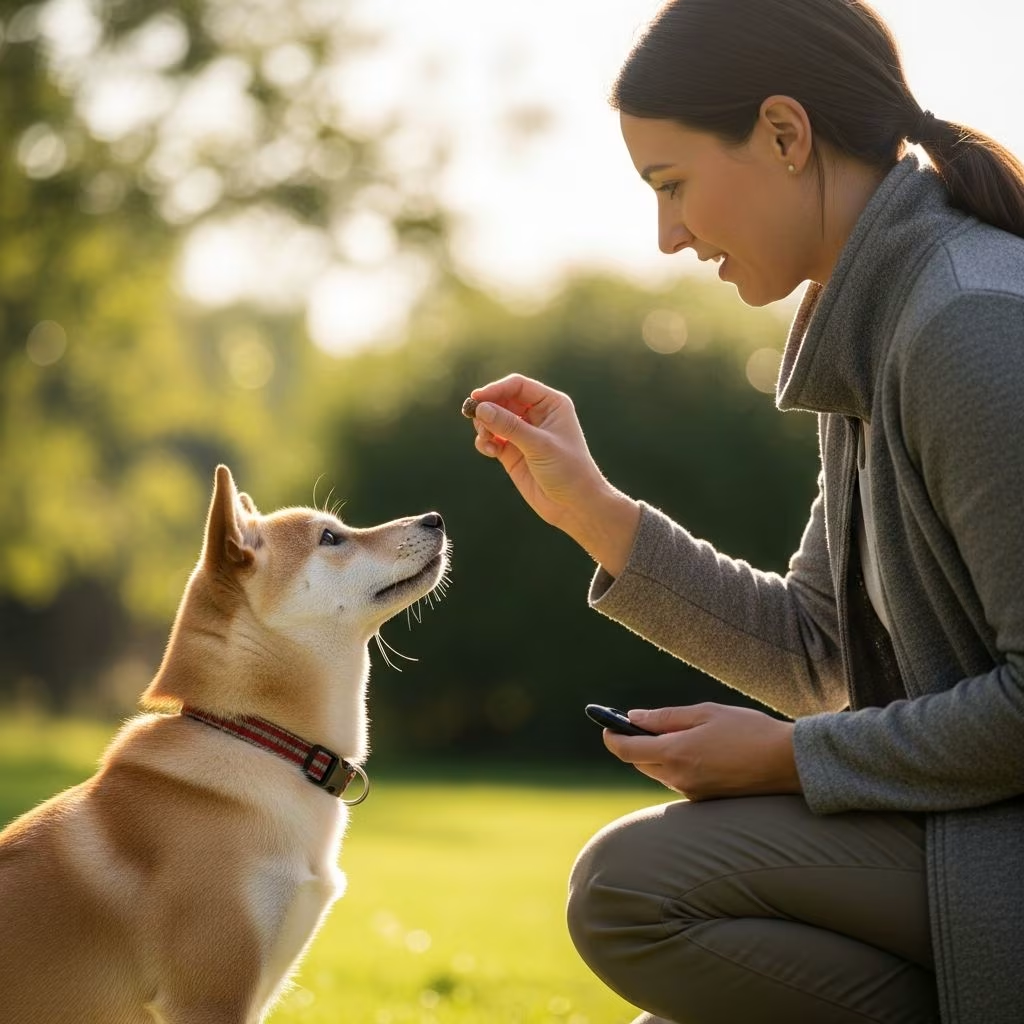
Shiba Inus captivate with their fox-like charm, agility, and spirited personality, but their strong-willed nature demands thoughtful training approaches. These ancient Japanese hunters possess sharp intelligence paired with a cat-like independence, making conventional methods often fall short. Success lies in blending patience, positivity, and structure to foster mutual respect and reliable behavior.
Understanding the Shiba Inu Personality
At the heart of effective training is grasping what makes Shiba Inus tick. Renowned for cleanliness and self-reliance, they view themselves as equals rather than subordinates, often testing boundaries with selective obedience or aloofness toward strangers. Their high energy and prey drive can lead to challenges like leash pulling, poor recall, or resource guarding if not addressed early. This breed excels when owners prioritize mental stimulation alongside physical exercise, transforming potential stubbornness into focused cooperation.
Key traits include:
- Intelligence: Quick learners who anticipate patterns and bore easily.
- Independence: Prefers decisions based on personal benefit over blind compliance.
- Energy Levels: Needs daily outlets to prevent mischief.
- Social Selectivity: Loyal to family but wary of others.
Recognizing these helps tailor sessions that align with their instincts, building a partnership rather than a battle of wills.
Building a Strong Training Foundation
Begin training the moment your Shiba arrives home—even at eight weeks. Short, frequent sessions (5-10 minutes) prevent overwhelm and capitalize on their short attention spans. Positive reinforcement reigns supreme: rewards like high-value treats (cheese, chicken, or yogurt) motivate without force, encouraging voluntary compliance.
Essential principles:
- Consistency across household members.
- End every session on success with praise.
- Exercise beforehand for better focus—a 20-30 minute walk primes them for learning.
Core Obedience Commands Every Shiba Must Know
Mastering basics establishes leadership and safety. Use luring for intuitive learning: hold a treat near the nose, guide into position, then reward.
Teaching ‘Sit’
Hold treat above nose, move upward; rear naturally lowers. Mark with a clicker or word like “yes,” then treat. Practice 5-10 reps daily, fading the lure over weeks. Shibas catch on fast but repeat in varied spots to generalize.
Perfecting ‘Down’
From sit, lure hand to ground between paws. Reward fully prone position. If resistant, use gentle chest pressure while luring. Builds impulse control vital for this alert breed.
Mastering ‘Stay’
Command “stay” in sit, step back one pace, return to reward. Gradually increase distance and duration (aim for 30 seconds initially). Reset on breaks without scolding—patience prevents shutdown.
Reliable Recall
Off-leash reliability is tricky due to high chase instinct. Start indoors: say name + “come” enthusiastically, reward heavily. Progress to longer distances and distractions. Never chase—recall should mean jackpot rewards. Many experts caution against full off-leash freedom without rock-solid proofing.
Pro Tip: Vary rewards and locations to combat their pattern recognition.
Leash Manners for Stress-Free Walks
Shibas pull due to excitement and curiosity. Front-clip harnesses reduce leverage, paired with a stop-when-pulling method: halt instantly on tension, resume on slack. Reward beside-you walking profusely.
| Common Leash Issue | Solution | Expected Timeline |
|---|---|---|
| Pulling Forward | Stop and wait for slack; reward | 1-2 weeks |
| Reactivity to Dogs | Counter-condition with distance + treats | 3-4 weeks |
| Forging Ahead | Change directions unpredictably | 1 week |
Practice in low-distraction areas first, graduating to streets. Dull paths build focus without overload.
Socialization: Preventing Fear and Aggression
Critical puppy window (up to 16 weeks) demands controlled exposures. Enroll in positive reinforcement classes for peer play and handler skills. Teach sit-for-greetings: cue before doors open, reward calm. Gradual stranger intros build confidence.
Address guarding: trade toys/food for higher value items, teaching “leave it.” Multi-dog homes benefit from structured introductions and resource management.
Housebreaking and Crate Strategies
Shibas’ natural cleanliness aids potty training. Frequent outdoor access post-meals/sleeps, praise outdoors. Crate as safe den: feed inside, rotate toys. Ignore whining; reward quiet exits. Penny-can shakes or water spritz deter fussing humanely.
Alternatives: paper training or litter boxes for apartments, always with consistency.
Advanced Techniques and Troubleshooting
Once basics solidify, introduce tricks (spin, paw) for mental workout. Puzzle toys and scent games channel intellect. For stubbornness, balanced methods add fair corrections (e.g., leash checks) after rewards fail, ensuring clarity without fear.
Common pitfalls:
- Repetition boredom: Mix commands.
- Over-treat reliance: Fade to life rewards (walks, play).
- Teen defiance (6-18 months): Double consistency.
The ‘Rule of Plenty’ amplifies success: ample exercise, socialization, discipline, reinforcement, and love. Redirect unwanted acts by rewarding alternatives like eye contact.
Choosing Training Tools and Gear
Start with buckle collars; escalate to prong or e-collars only under professional guidance for graduated corrections. Clickers sharpen timing; harnesses aid leash work. Bait bags keep rewards accessible.
Daily Routine for a Balanced Shiba
Structure prevents issues:
- Morning: 30-min exercise + commands.
- Midday: Crate rest + puzzle.
- Afternoon: Leash practice.
- Evening: Socialization/tricks.
Jogging or biking tires them deeply, curbing zoomies.
FAQs
Are Shiba Inus hard to train?
Yes, due to independence, but positive, consistent methods yield great results.
What’s the best age to start?
Immediately—even puppies learn sits.
Should I use punishment?
Avoid; it backfires. Redirect and reward instead.
How much exercise do they need?
45-60 minutes daily, plus mental games.
Can Shibas be off-leash?
Rarely reliable; use long lines for safety.
References
- 5+ Tips for Training Your Shiba Inu in Omaha — Dog Gone Problems. Accessed 2026. https://www.doggoneproblems.com/5-tips-for-training-your-shiba-inu-in-omaha/
- How to train a Shiba Inu: temperament, training tips, and expert insight — Lyka. Accessed 2026. https://lyka.com.au/blog/how-to-train-a-shiba-inu
- Shiba inu Training Tips – The Rule of Plenty — YouTube. Accessed 2026. https://www.youtube.com/watch?v=2ubZ1tZoXHs
- Shiba Inu Training in Troon: Positive Reinforcement vs Balanced Methods — Rob’s Dogs. Accessed 2026. https://robsdogs.com/shiba-inu-training-in-troon-positive-reinforcement-vs-balanced-methods-what-works/
- Obedience Training Your Shiba Inu — Shibainus.ca. Accessed 2026. https://shibainus.ca/chapter-00-the-misanthropic-shiba/chapter-14-obedience-training/



