

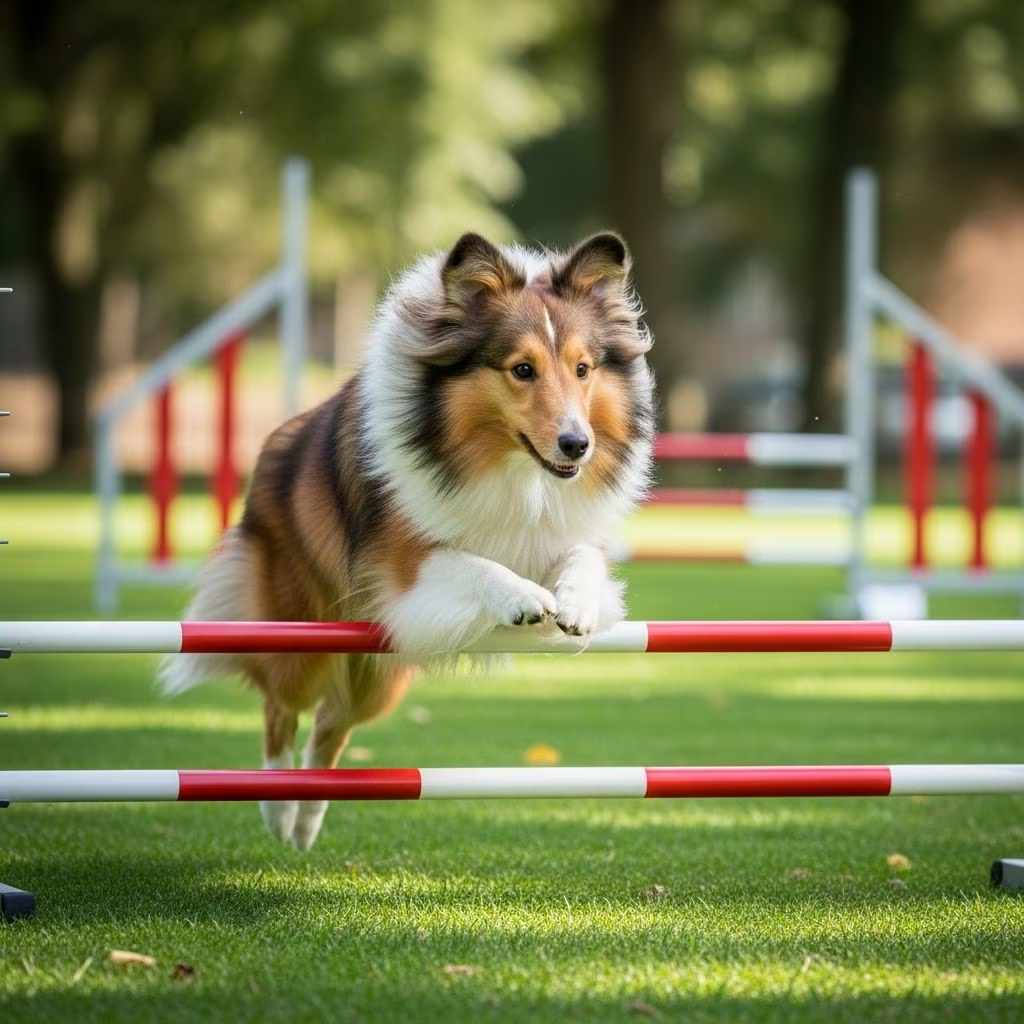
The Shetland Sheepdog, commonly known as the Sheltie, stands out as one of the most intelligent and trainable dog breeds. Originating from the rugged Shetland Islands, these small herding dogs were developed to manage livestock with minimal direction, showcasing their sharp minds and responsiveness. Today, their eagerness to learn makes them ideal family pets, but success hinges on understanding their sensitive temperament. Positive reinforcement, consistency, and short sessions form the cornerstone of effective training, preventing issues like anxiety or excessive barking.
Understanding the Sheltie Temperament
Shelties possess a unique blend of intelligence, sensitivity, and energy. Ranked among the top breeds for smarts, they excel at grasping commands quickly but can shut down under harsh methods. Their herding background instills a strong work ethic, yet it also leads to behaviors like nipping at heels or chasing moving objects. Early training channels these traits positively, building confidence and strengthening the owner-dog bond. Owners must prioritize patience, as these dogs thrive on praise and clear communication rather than punishment.
- Key traits: Highly intelligent, sensitive to tone, energetic, and vocal.
- Training advantage: Quick learners who love mental challenges.
- Potential pitfalls: Fearfulness if socialized poorly; boredom leading to mischief.
Essential Tools and Environment Setup
Before diving into sessions, gather supplies like high-value treats, a clicker, leash, collar, and a comfortable crate. Create a quiet training area free from distractions to help your Sheltie focus. Gradually introduce busier settings as skills improve. Visual cues paired with verbal commands work exceptionally well, given their attentiveness to body language.
| Tool | Purpose |
|---|---|
| High-value treats | Motivate during learning |
| Clicker | Mark correct behaviors precisely |
| 6-foot leash | Practice loose-leash walking |
| Crate with bedding | Support housebreaking and alone time |
Building a Strong Foundation: Basic Obedience
Start with core commands to establish leadership and safety. Sessions should last 10-15 minutes, multiple times daily, using an enthusiastic tone and immediate rewards. Positive reinforcement—treats, toys, or verbal praise—encourages repetition without fear.
Sit and Down Commands
To teach sit, hold a treat above the nose and move it back over the head; the rear drops naturally. Click or say “yes” and reward. For down, lure from sit by lowering the treat to the ground between paws. Practice in varied locations to generalize the skill.
Stay for Impulse Control
From sit, raise a hand signal like a stop sign and step back one pace. Return quickly to reward. Build duration and distance slowly. This command prevents bolting and builds self-control.
Come on Command
Kneel, use an excited voice calling the name followed by “come.” Reward lavishly upon approach. Never call for unpleasant events like bath time to maintain reliability.
Leave It and Drop It
For leave it, place a low-value item down, cover with your hand, and offer a better treat from the other hand when they ignore it. Drop it follows: trade a held item for a treat, praising release.
Consistency across household members ensures rapid progress. Shelties master these in weeks with daily practice.
Socialization: Fostering Confidence
Begin socialization between 8-12 weeks, exposing puppies to diverse people, sounds, and environments positively. Reward calm interactions to counter shyness. Short park visits or pet store trips build resilience without overwhelm. Well-socialized Shelties greet strangers politely and handle new situations gracefully.
- Introduce calm friends first.
- Use treats for voluntary approaches.
- Gradually add crowds and noises.
Housebreaking and Crate Training Success
Shelties housebreak quickly with routine. Take puppies out every 2 hours, after meals, play, and naps. Watch for sniffing or circling; interrupt gently and escort outside. Praise and treat outdoor elimination. Crates leverage their den instinct—feed meals inside to associate positivity. For advanced aid, teach bell ringing: hang bells by the door, guide paw touches before outings, rewarding potty success.
Outdoor spots preferred over pads long-term, aligning with their active nature and preventing habits like indoor elimination.
Leash Manners and Reactivity Management
Prevent pulling by stopping movement when the leash tightens; resume and reward slack. For reactivity—barking at triggers—create distance, reward calm focus on you. Counter-conditioning pairs triggers with treats, reducing fear over time. Herding instincts may spark chasing; redirect with structured games.
Addressing Common Challenges
Excessive Barking
Vocal by breed standard, teach “quiet” by waiting for a pause after barking, then rewarding silence. Eliminate boredom via exercise and puzzles. Mental work tires them more than physical alone.
Separation Anxiety
Practice brief absences, returning before stress. Provide stuffed Kongs or puzzle toys. Crate familiarity eases alone time.
Herding Behaviors
Channel nipping or circling into fetch, tug, or herding balls. Obedience overrides instincts with practice.
Advanced Training and Dog Sports
Shelties shine in competitions. Obedience trials demand precision; rally offers fun signage navigation. Agility leverages speed over obstacles. Herding trials tap ancestry; flyball combines fetch and relays; tracking hones scent work; freestyle blends tricks with dance. Start locally, progressing to titles.
- **Agility:** Quick turns, jumps, weaves.
- **Obedience:** Heels, recalls, stands.
- **Herding:** Livestock control simulations.
Daily Routine for Optimal Training
Integrate training into life: 60 minutes daily exercise via walks, play, training. Mornings for basics, evenings for tricks. Rotate activities to prevent boredom. Track progress in a journal.
Frequently Asked Questions
Are Shelties easy to train?
Yes, their intelligence and desire to please make them highly trainable with positive methods.
How long should training sessions last?
Keep them to 10-15 minutes to match attention spans and sustain enthusiasm.
Can Shelties stop barking?
Training reduces excessive barking; ample exercise and stimulation help manage it.
When to start puppy training?
As early as 8 weeks, with positive, gradual exposures.
Are Shelties good for agility?
Absolutely, their athleticism and smarts make them top performers.
Professional Help When Needed
If issues persist, seek certified trainers experienced in herding breeds, like those from the Certification Council for Professional Dog Trainers. Group classes provide socialization bonuses.
Training transforms Shelties into versatile companions. Commit to gentle, consistent efforts for a joyful partnership.
References
- Training Your Shetland Sheepdog: A Complete Guide — Petland Kansas City. 2025-11-20. https://www.petlandkansascity.com/2025/11/20/training-your-shetland-sheepdog-a-complete-guide/
- Training a Shetland Sheepdog — YouTube (Video Transcript). N/A. https://www.youtube.com/watch?v=BjKYuka_ppg
- Obedience — American Shetland Sheepdog Association. N/A. https://www.americanshetlandsheepdogassociation.org/obedience/
- Top Activities For Shetland Sheepdogs — WagWalking. N/A. https://wagwalking.com/activity/activities-for-shetland-sheepdogs
- Shetland Sheepdog Dog Breed Guide — BorrowMyDoggy. N/A. https://www.borrowmydoggy.com/doggypedia/dog-breed-guides-shetland-sheepdog



