

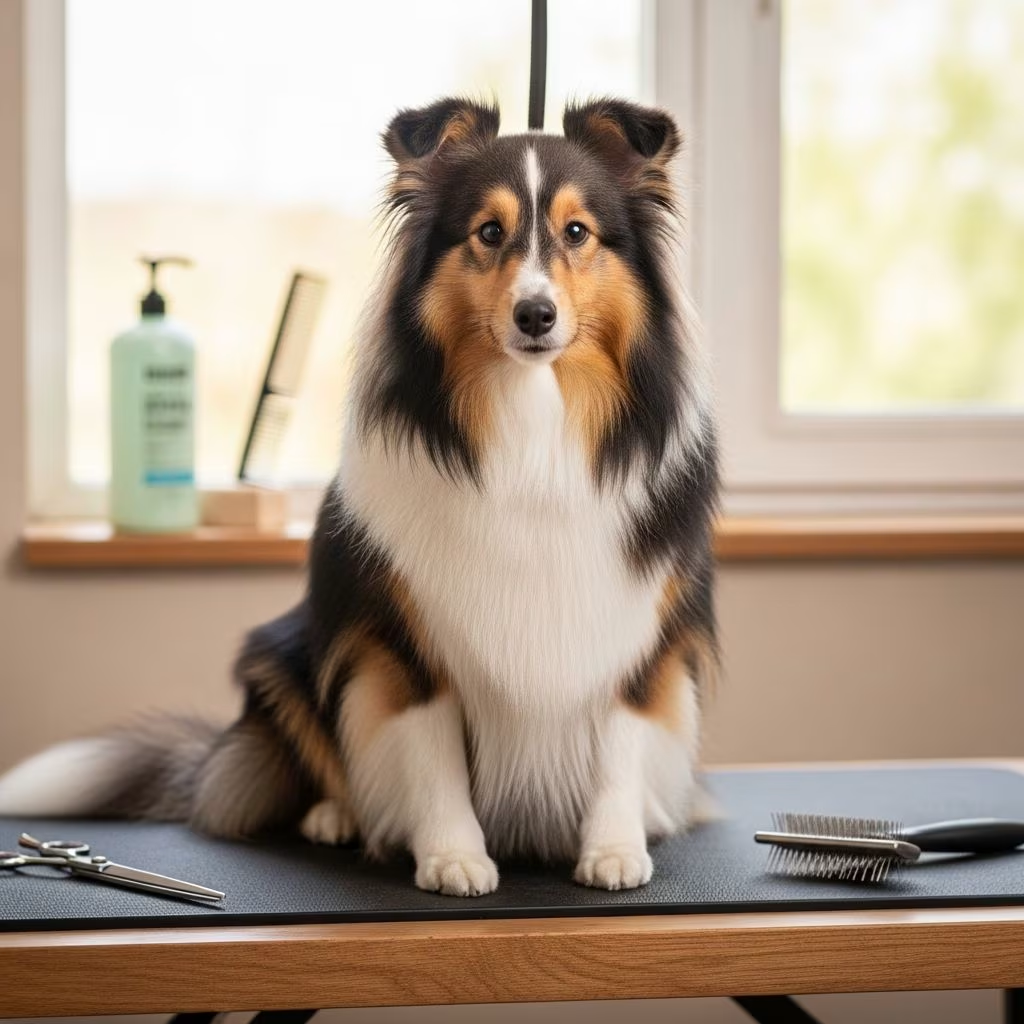
The Shetland Sheepdog, affectionately known as the Sheltie, boasts a breathtaking double coat that requires dedicated care to remain healthy and free of tangles. Regular grooming not only enhances their appearance but also promotes skin health, reduces shedding around the home, and strengthens the bond between you and your pet. This guide provides a complete roadmap for at-home grooming, drawing on proven methods to handle their dense undercoat and silky topcoat effectively.
Understanding Your Sheltie’s Unique Coat
Shelties possess a double-layered coat: a soft, insulating undercoat that sheds seasonally and a longer, weather-resistant outer layer that protects against elements. This structure makes them prone to matting if neglected, particularly in areas like the neck, legs, and tail. Unlike single-coated breeds, their fur demands systematic brushing to remove dead hairs and prevent painful knots.
Seasonal shedding, or “blowing coat,” intensifies twice yearly, especially in unspayed females due to hormonal shifts. Consistent maintenance prevents excessive hair buildup indoors and keeps the skin ventilated, minimizing issues like hot spots or infections. Professional groomers emphasize that preserving the topcoat’s length over the undercoat maintains the breed’s natural silhouette.
Essential Grooming Tools for Sheltie Owners
Investing in the right equipment simplifies the process and ensures safety. Here’s a curated list of must-haves:
- Slicker brush: Ideal for outercoat smoothing with fine, bent wires that capture loose fur without irritating skin.
- Detangling comb: Wide-toothed for undercoat removal and fine-toothed for knots in sensitive areas.
- Pin brush: Perfect for separating layers and achieving a fluffy finish on furnishings.
- Guillotine clippers or grinder: For precise nail trimming, avoiding the quick.
- Curved safety scissors: For paw pad and fringe detailing.
- Leave-in conditioner spray: Reduces static and tangles post-brush.
- High-velocity dryer: Speeds drying while fluffing the coat (optional for home use).
Choose tools with ergonomic handles to prevent hand fatigue during sessions. Soft-bristle alternatives suit pups with sensitive skin.
Step-by-Step Brushing Routine
Groom weekly for optimal results, increasing frequency during shedding peaks. Begin in a quiet space with treats to foster positive associations.
Line Brushing the Undercoat
This foundational technique targets the dense undercoat. Part the fur from the neck base backward to expose skin, using a comb to gently pull out loose fluff in thin sections. Proceed systematically across the back, sides, rump, and legs. Expect substantial fur removal—patience yields a mat-free base.
Hold mats near the root to avoid pulling skin, working knots outward with short strokes. Speak calmly; if resistance occurs, lighten pressure.
Precision Work on Tangle-Prone Zones
Focus on delicate spots: ear fringes, armpits, belly, groin, and collar line. Fingertip palpation reveals hidden clumps. For stubborn mats, snip loosely held fur parallel to skin rather than tugging.
Roll your Sheltie supine for belly access, combining rubs with gentle combing to relax them.
Finishing the Guard Coat
Sweep a slicker brush directionally from head to tail, collecting debris and oils for shine. Mist conditioner for frizz control, especially post-bath. This stimulates blood flow and evens texture.
Nail and Paw Maintenance
Monthly checks prevent overgrown nails, which distort gait and strain joints.
Clipping Nails Safely
Identify the quick on light claws; trim tips only with guillotine tools, cutting vertically to avoid splits. Dark nails require grinders for gradual filing. Reward post-trim.
Shaping Paws
With Sheltie prone, level inter-pad fur flush using curved scissors, minding webbing. Upright, round outer edges for a tidy “cat paw” look. Repeat brushes reveal stragglers.
Pro Tip: Table below compares tool types for paws:
| Area | Tool | Technique |
|---|---|---|
| Between Pads | Safety Scissors | Flush trim, avoid webbing |
| Outer Edge | Straight Shears | Round shape standing |
| Stragglers | Thinning Shears | Brush up and snip |
Bathing Your Sheltie Properly
Bathe every 4-6 weeks or as dirt accumulates; over-washing strips oils. Use lukewarm water and dog-specific shampoo diluted for penetration through the waterproof coat.
- Wet thoroughly, lifting fur to skin.
- Apply sponge-lathered shampoo, massaging down; save head for last.
- Rinse completely to prevent residue itch.
- High-velocity dry, blowing coat flat on body, upward on neck/head for volume.
Comb during drying to demat ears and separate layers.
Advanced Shaping for Show-Ready Shelties
For competitions, lightly shape without altering breed type. Use thinning shears on underline, legs, and tail to lift furnishings off ground. Maintain guard hairs longer; scissor hocks into columns from rear view.
Clean whiskers and lip lines for refined head. Stack and evaluate from multiple angles. Home owners can adopt subtle trims for neatness.
Grooming Frequency and Schedules
- Daily: Quick slicker pass for loose hairs.
- Weekly: Full line brush, comb, and check nails/paws.
- Monthly: Bath, deep trim.
- Seasonal: Daily during blows.
Neutered Shelties may grow thicker coats, necessitating more frequent sessions. Never shave—regrowth risks uneven patches.
Common Challenges and Solutions
| Issue | Solution |
|---|---|
| Matting Behind Ears | Daily fingertip checks, demat early |
| Shedding Mess | Line brush outdoors, undercoat rake |
| Nail Quick Hits | Styptic powder, grinders for safety |
| Wiggly Dog | Training from puppyhood, treats |
Health Benefits of Regular Grooming
Beyond aesthetics, grooming detects lumps, parasites, or irritations early. It distributes sebum for luster and reduces allergens via shedding control. Smart Shelties learn to enjoy sessions, enhancing trust.
FAQs
Can I groom my Sheltie entirely at home?
Yes, with proper tools and technique, home grooming suffices for most pets.
How often do Shelties need baths?
Every 4-6 weeks; more risks dry skin.
Should I shave my shedding Sheltie?
No, it damages coat structure permanently.
What if mats won’t comb out?
Trim carefully or consult a pro.
Best age to start grooming?
Puppyhood for habituation.
References
- How to Groom Your Sheltie at Home — Sheltie Planet. Accessed 2026. https://www.sheltieplanet.com/how-to-groom-a-shetland-sheepdog
- Grooming the Shetland Sheepdog — Groomer to Groomer. 2024-12. https://digital.groomertogroomer.com/issue/december-2024/grooming-the-shetland-sheepdog/
- Dog Show Grooming: How to Groom a Shetland Sheepdog — YouTube (Jackie Parisek). Accessed 2026. https://www.youtube.com/watch?v=dy_ge5XvDxo



