

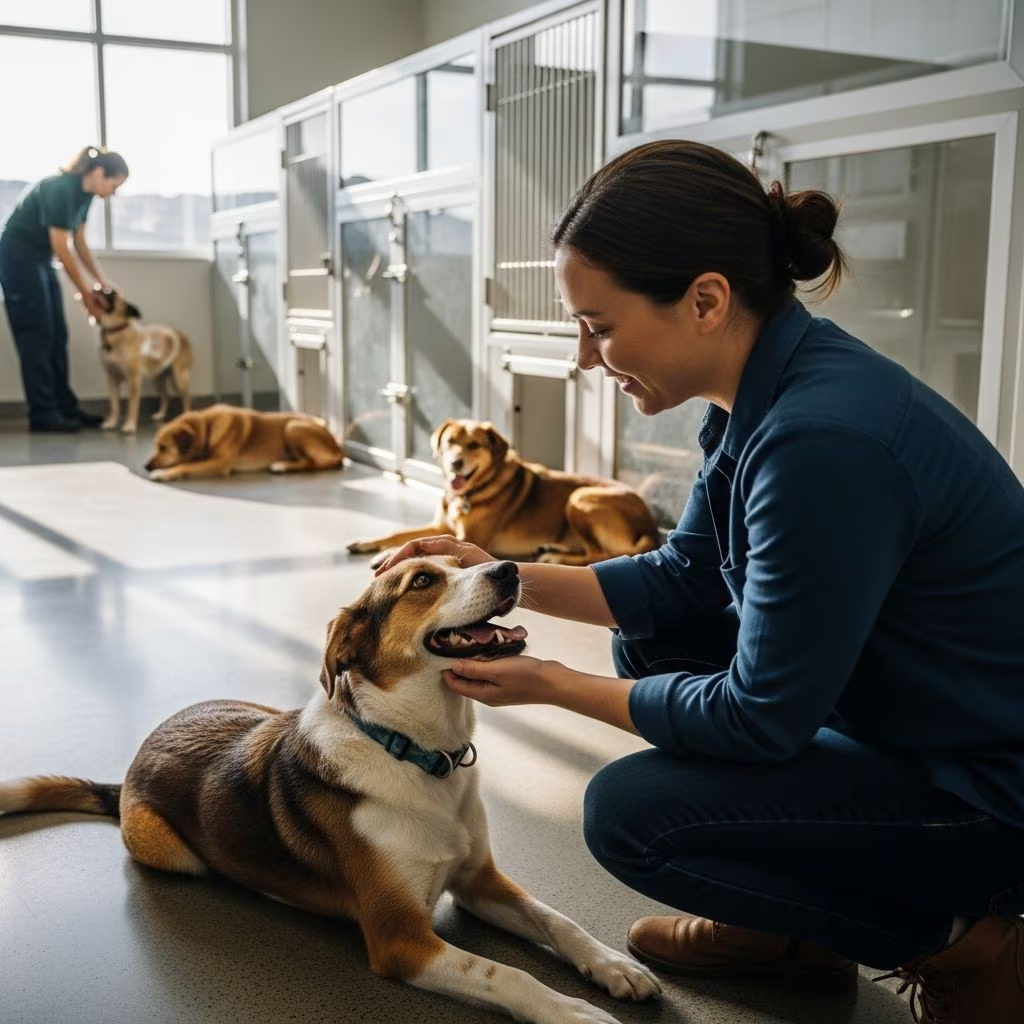
Adopting a dog from a shelter represents a pivotal moment in building a lifelong companionship. During the shelter visit, potential adopters must carefully evaluate dogs beyond surface appearances to ensure compatibility with their home environment and lifestyle. This guide outlines practical steps to make informed decisions at the shelter, drawing from established adoption practices.
Preparing Mentally Before Entering the Shelter
Approach the shelter visit with clear objectives. Define your family’s needs, such as activity level, size preferences, and experience with pets. Shelters house dogs in stressful conditions, which can alter their typical behavior, so observe for signs of adaptability rather than expecting polished performances. Research breeds or mixes that align with your routine; high-energy dogs demand daily exercise, while calmer ones suit apartments.
- Assess your schedule: Can you commit to walks, training, and playtime?
- Consider household dynamics: Presence of children, other pets, or seniors?
- List deal-breakers: Excessive barking, separation anxiety, or resource guarding.
This preparation prevents impulsive choices. Many adopters overlook how shelter stress masks true personalities, leading to mismatches.
Navigating the Application and Initial Screening
Most shelters require an application detailing your living situation, pet history, and references. Be thorough and honest; staff use this to suggest suitable dogs. Expect possible home checks or vet verifications to confirm a safe environment. Approval often precedes meet-and-greets, streamlining the process.
| Application Element | Purpose | Tips for Success |
|---|---|---|
| Lifestyle Details | Match dog energy to your routine | Specify work hours, exercise habits |
| Home Environment | Ensure space suitability | Mention yard, fencing, neighbors |
| Pet Experience | Gauge handling skills | Include training methods used |
| References | Verify responsibility | Provide vet, landlord contacts |
Screening prioritizes animal welfare, with some organizations favoring thorough checks for dogs over other pets due to their needs.
Observing Dogs in Their Shelter Habitat
Begin by walking the kennels without direct interaction. Note body language: relaxed tails indicate sociability, while tucked tails or cowering suggest fear. Loud barking is common in this high-stress setting but may not reflect home behavior. Look for dogs that calm down or engage positively when you pause nearby.
- Positive signs: Play bows, wagging, curious sniffing.
- Caution flags: Freezing, growling, obsessive pacing.
- Ignore cuteness; prioritize calm curiosity.
Shelter dynamics amplify reactivity, so temper expectations. Fostering offers a truer test if possible.
Conducting Safe and Insightful Meet-and-Greets
Once approved, request private sessions away from kennel noise. Start with observation, then gentle interactions like tossing treats. Assess responses to touch, toys, and movement. Family involvement reveals dynamics with kids or others.
Use these prompts during meets:
- Does the dog approach willingly or hide?
- How does it react to leashes or crates?
- Any signs of food possessiveness?
Multiple visits help gauge consistency. Avoid rushing; compatibility trumps impulse.
Key Questions to Pose to Shelter Staff
Staff insights are invaluable. Inquire about the dog’s intake history, behavior notes, and medical background. Understanding surrender reasons provides context without judgment.
- Intake duration and reason?
- Observed temperament in playgroups?
- Medical history, including spay/neuter and vaccines?
- Any known triggers or preferences?
- Post-adoption support available?
Request playgroup observations if offered; group settings reveal social skills. Clarify return policies for adjustments.
Evaluating Health and Medical Readiness
Review records meticulously: vaccinations, microchip status, and ongoing treatments. Update chip info immediately post-adoption. Schedule a vet visit within weeks to establish baselines, ideally with a fear-free certified professional.
Common shelter health checks include heartworm tests and dental exams. Be prepared for initial costs like preventatives.
Post-Shelter Transition Planning
Before leaving, gather food samples, toys, and routine notes to ease decompression. Create a quiet home space for adjustment, limiting stimuli for 1-2 weeks. Gradual introductions to family and pets prevent overwhelm.
| Transition Item | Why It Matters | Action Step |
|---|---|---|
| Current Food | Avoids tummy upset | Transition slowly over 7 days |
| Bedding/Toy | Provides comfort | Scent familiarity |
| Vet Records | Continuity of care | Hand to new vet |
| Training Notes | Builds on progress | Reinforce positives |
Common Pitfalls and How to Avoid Them
Steer clear of choosing based on looks alone; behavior predicts success. Don’t ignore red flags like aggression toward handlers. Rushed adoptions increase returns, so prioritize multiple interactions. Rescues may have stricter processes, including home visits, beneficial for complex cases.
FAQs on Shelter Dog Adoption
What if the dog seems shy at first? Shyness often fades post-adoption; observe improvement over visits.
Are shelter dogs healthy? Most receive basics, but full exams follow adoption.
Can I adopt same-day? Varies; some allow, others require counseling.
How to handle multi-pet homes? Request intros; watch for harmony.
What about training? Many need it; commit to positive methods.
Long-Term Success Strategies
Post-adoption, enroll in obedience classes and maintain routines. Monitor for stress signals like house soiling. Regular exercise and mental stimulation solidify bonds. Shelters often provide resources; utilize them.
Adoption transforms lives, with millions finding homes yearly through responsible processes. Your diligence at the shelter lays the foundation for joy.
References
- Understanding the Dog Adoption Process: A Step-by-Step Guide — Halo Collar. 2023. https://www.halocollar.com/blog/dog-health/understanding-the-dog-adoption-process-a-step-by-step-guide/
- 10 Steps for Successfully Adopting a Rescue Dog — The Dink Dog Mom. 2023. https://thedinkdogmom.com/adopting-a-rescue-dog/
- Pet Adoption: Everything You Need to Know — Best Friends Pet Care. 2023. https://bestfriendspetcare.com/pet-adoption-everything-you-need-to-know/
- Dog Adoption 101: Process, Costs & Tips — Greater Good. 2023. https://art.greatergood.org/story/dog-adoption-101-process-costs-tips/
- 5 Essential Steps to Pet Adoption — Brawley Animal. 2023. https://brawleyanimal.com/5-steps-pet-adoption-guide/
- Adoptions Training Playbook — Best Friends Animal Society. 2023. https://bestfriends.org/network/resources-tools/adoptions-training-playbook
- Navigating Adoption: Finding and Welcoming Home Your Pet — ASPCA. 2023. https://www.aspca.org/adopt-pet/adoption-tips



