

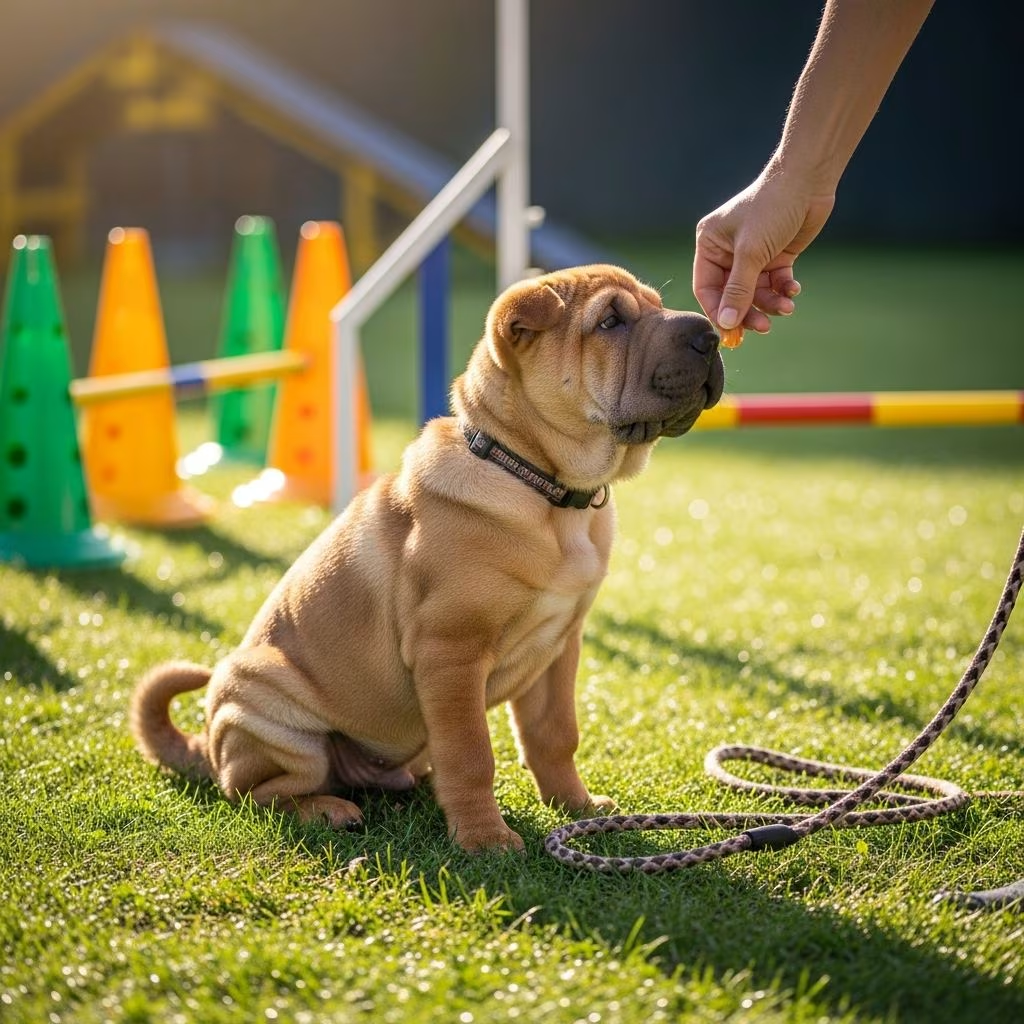
The Shar-Pei, known for its distinctive wrinkled skin and independent spirit, can be a devoted family member with the right training approach. These dogs thrive under confident, consistent leadership paired with positive reinforcement, transforming potential stubbornness into reliable obedience.
Understanding the Shar-Pei Personality
Shar-Peis possess a unique blend of intelligence, loyalty, and strong-willed independence that shapes their training needs. They are quick learners but often test boundaries, requiring patient handlers who establish clear rules from the start. Their protective nature stems from historical roles as guard dogs, making early socialization vital to prevent over-guarding behaviors.
- Intelligent and Adaptive: Shar-Peis pick up commands swiftly but may choose when to comply, demanding engaging methods.
- Independent Thinkers: Unlike more eager-to-please breeds, they respond best to motivation rather than force.
- Affectionate Yet Reserved: They bond deeply with family but can be wary of strangers, highlighting the need for controlled exposures.
Without proper guidance, this temperament can lead to anxiety or reactivity, especially around other dogs. Owners must step into a calm leadership role to foster trust and reduce stress.
Essential Foundations for Effective Training
Building a solid training base begins with leadership and consistency. Shar-Peis look to owners for direction; inconsistency breeds confusion and defiance.
| Training Principle | Why It Works for Shar-Peis | Practical Tip |
|---|---|---|
| Positive Reinforcement | Encourages desired behaviors without fear | Use high-value treats like chicken for commands |
| Consistency | Eliminates confusion from mixed signals | Everyone in household uses same cues |
| Short Sessions | Matches their attention span | 5-10 minutes, 3x daily |
| Leadership | Reduces anxiety by providing structure | Control walks, meals, and play |
Positive methods, such as treats and praise, outperform aversive techniques, strengthening the owner-dog bond while promoting long-term compliance.
Step-by-Step Obedience Training Techniques
Start indoors with minimal distractions to teach core commands, gradually increasing complexity.
Teaching the Heel Command
Heel training keeps your Shar-Pei focused and prevents pulling. Begin in a quiet room: hold a treat at nose level, lure to your left side, say “heel,” and reward when positioned correctly.
- Lure into position beside your left leg.
- Mark with “yes” or clicker, then treat.
- Practice turns: 90, 180, 360 degrees while stationary.
- Progress to steps forward, rewarding maintained position.
- Introduce distractions: quiet outdoors, then busier areas.
If pulling occurs, stop walking, turn around, and lure back—never yank the leash. This builds association: heel equals good things.
Addressing Reactivity and Aggression
Shar-Peis may react to other dogs due to anxiety or poor leadership. Increase exercise first—aim for more than typical to tire them mentally and physically. Use heel or sit-stay to interrupt pre-reactive signs like raised hackles.
- Spot early cues: stiffening, staring.
- Command heel/sit before escalation.
- Reward calm focus on you, even with dogs nearby.
- Build duration: hold focus longer for bigger rewards.
Professional help may be needed for severe cases, emphasizing owner change over just dog correction.
Housebreaking and Daily Routines
Shar-Peis are among easier breeds to housebreak due to their intelligence. Establish a schedule: out every 2-3 hours for puppies, after meals, and post-play.
Crate training aids success—use as a safe den, not punishment. Praise lavishly for outdoor elimination. Accidents? Clean thoroughly without scolding; focus on prevention through supervision.
Socialization: Key to a Balanced Shar-Pei
Begin socialization young, even pre-full vaccines via safe setups like puppy classes. Expose to people, dogs, sounds, and surfaces positively. This curbs aggression risks and builds confidence.
- Puppy playdates in controlled groups.
- Daily walks in varied environments.
- Guest visits with treats for calm greetings.
For adults, gradual introductions prevent setbacks. Reward ignoring triggers.
Exercise and Mental Stimulation Needs
Moderate daily activity—about 1 hour—suits Shar-Peis: brisk walks, fetch in fenced areas. Avoid hot weather exertion due to brachycephalic risks.
Puppies need short, frequent sessions to protect joints; no marathon hikes. Mental games like puzzle toys or obedience drills tire them as much as physical effort.
Overcoming Common Training Challenges
Stubbornness is Shar-Pei hallmark—counter with patience and high motivation. If ignoring commands, up rewards or shorten sessions.
Anxiety manifests as barking or withdrawal; consistent routines and leadership alleviate it. Health issues like skin folds demand vet checks, as discomfort mimics behavioral problems.
Advanced Training for the Devoted Owner
Once basics master, teach off-leash reliability, scent work, or agility tailored to their build. Obedience trials showcase their smarts.
Group classes provide socialization and handler skills. Positive trainers focus on communication, nutrition basics too.
Health Considerations in Training
Shar-Peis prone to entropion, allergies, hip dysplasia—schedule regular vet visits. Train through discomfort only if cleared; otherwise, adapt.
Balanced diet supports energy for sessions. Hydration key during exercise.
Frequently Asked Questions (FAQs)
How long does it take to train a Shar-Pei?
Basics in weeks with daily practice; full reliability months, varying by age and consistency.
Are Shar-Peis good for first-time owners?
Challenging due to independence; best for experienced handlers committed to positive methods.
Can older Shar-Peis be trained?
Yes, with patience—focus on motivation, not force. Progress slower but possible.
What if my Shar-Pei is aggressive?
Increase exercise, build leadership, use counter-conditioning. Seek certified trainer.
Best treats for Shar-Pei training?
Soft, smelly like liver or cheese—small pieces to avoid weight gain.
Building a Lifelong Bond
Training transcends commands—it’s about mutual respect. Your Shar-Pei’s loyalty rewards diligent effort, yielding a confident, happy dog.
References
- How To Train Aggressive SHAR PEI — YouTube (Jeff Coltenback). 2023. https://www.youtube.com/watch?v=E0q8gpZVnHo
- How To Get Your SHAR PEI To WALK TO HEEL — YouTube (Jeff Coltenback). 2023. https://www.youtube.com/watch?v=qsmxpVjsSU4
- The Shar-Pei Temperament: Personality And Training Considerations — PetCareRx. 2024-01-15. https://www.petcarerx.com/article/the-shar-pei-temperament-personality-and-training-considerations/2788
- Shar Pei Dog Breed Guide: Care and Training — BorrowMyDoggy. 2024. https://www.borrowmydoggy.com/doggypedia/dog-breed-guides-shar-pei
- Training the Chinese Shar-Pei — Dr. JWV. 2023. http://www.drjwv.com/training/?view=training&name=Training+the+Chinese+Shar-Pei



