

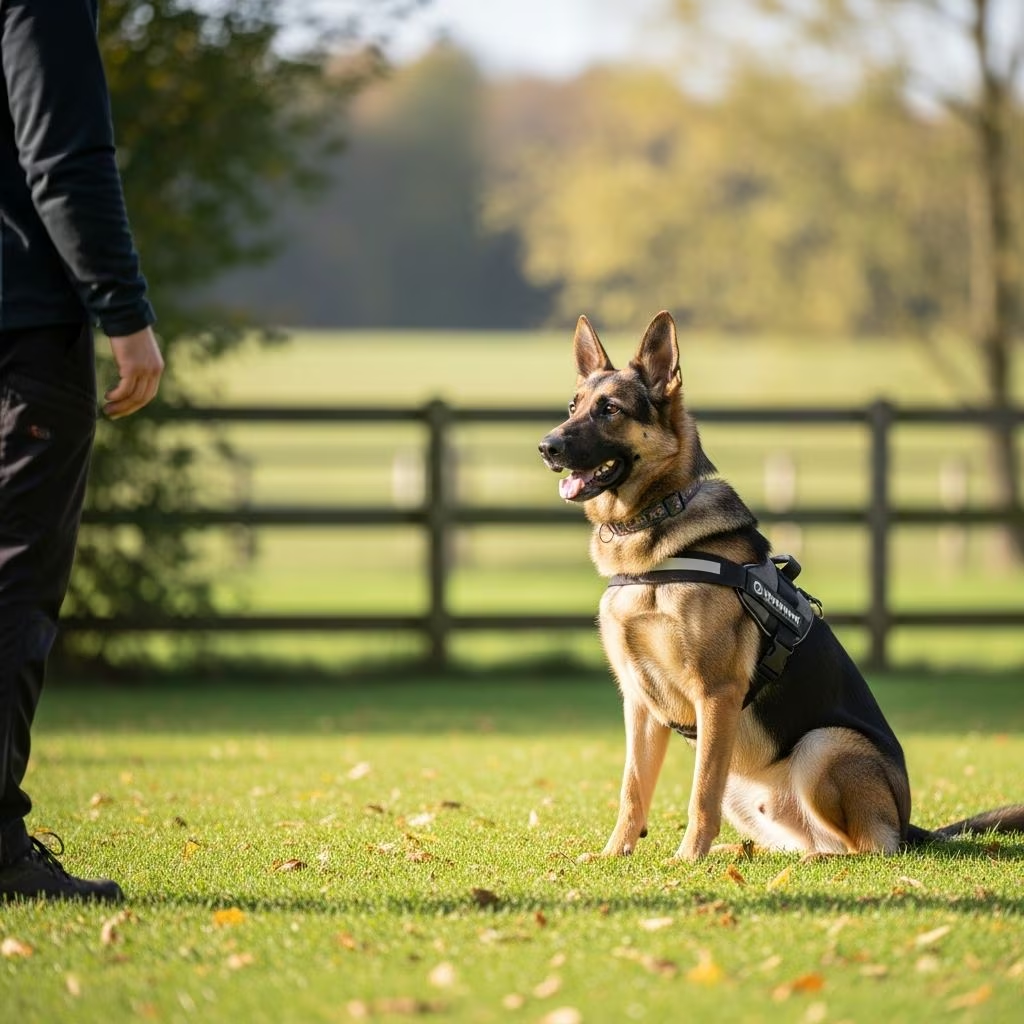
Training a dog to provide security requires a structured approach that prioritizes control, discernment, and safety. This guide explores essential steps to develop a capable protection companion, drawing from established methods used by professionals.
Building the Foundation: Obedience as the Core
The journey to secure dog training begins with unwavering obedience. Without this bedrock, advanced protection skills cannot be reliably implemented. Dogs must respond instantly to commands in any environment, ensuring handler control at all times.
Start with fundamental commands that promote discipline:
- Sit: Encourages focus and calmness, essential for de-escalating situations.
- Stay: Builds impulse control, preventing premature reactions to stimuli.
- Come: Enables recall from potential threats, maintaining safety.
- Down: Promotes relaxation and submission under stress.
- Heel: Ensures the dog remains close and attentive during movement.
Practice these in progressively distracting settings, using positive reinforcement like treats and praise to reinforce behaviors. Puppies ideally begin this phase early, allowing instincts to develop alongside discipline.
Handler Preparation: Your Role in Success
Effective secure training extends beyond the dog to the handler. You must cultivate a deep bond, clear communication, and the ability to direct protective responses responsibly. Professional programs often include handler certification to ensure compliance and competence.
Key handler skills include:
- Reading canine body language for stress or readiness cues.
- Issuing precise commands under pressure.
- De-escalating situations to avoid unnecessary force.
Enroll in specialized courses to master these, as untrained handlers risk amplifying dangers rather than mitigating them.
Instilling Protective Instincts Safely
Once obedience is solid, introduce protective behaviors. Dogs learn to differentiate neutral encounters from genuine threats through targeted exercises. This phase balances alertness with restraint, preventing over-aggression.
Techniques include:
- Targeting: Directing focus to suspicious objects or individuals, forming the basis for threat identification.
- Bark on Command: Triggering alert barks with words like ‘speak,’ rewarding controlled responses to deter intruders harmlessly.
- Stranger Drills: Leashed exposures to assertive strangers who simulate threats, then retreat, reinforcing protective success.
Use motivation-driven methods, blending play with repetition for reliable execution.
Scenario Simulations: Real-World Readiness
Protection dogs excel when trained for dynamic environments. Scenario-based drills replicate home invasions, public encounters, or vehicle threats, honing decision-making under realism.
| Scenario Type | Purpose | Key Skills Tested |
|---|---|---|
| Home Intrusion | Simulate unauthorized entry | Barking, guarding, controlled pursuit |
| Public Approach | Test stranger interactions | Discernment, recall obedience |
| Vehicle Threat | Practice carjacking defense | Positioning, handler shielding |
| Crowd Distractions | Build resilience | Focus amid chaos |
Gradually increase complexity, always prioritizing off-switches for handler control. Training duration typically spans 8-12 weeks for basics, extending months for advanced roles.
Desensitization: Composure Under Pressure
To avoid fear-based overreactions, desensitize dogs to everyday stressors. Gradual exposure to noises, crowds, vehicles, and novel objects fosters confidence and neutrality.
Steps for effective desensitization:
- Introduce low-level stimuli paired with rewards.
- Escalate intensity while maintaining calm commands.
- Integrate into obedience drills for seamless application.
This ensures the dog remains operational in high-stress scenarios without panic.
Ideal Breeds and Selection Criteria
Not all dogs suit protection roles. Select breeds with intelligence, loyalty, and physical prowess:
- German Shepherds: Versatile, quick learners with strong work ethic.
- Rottweilers: Confident guardians with natural deterrence.
- Dobermans: Agile and alert, excelling in personal protection.
- Malinois: High-drive performers for professional use.
Assess temperament early: Look for stable, non-reactive puppies from reputable lines.
Public Safety and Legal Compliance
Deploying a protection dog demands strict protocols to protect bystanders and avoid liability.
- Install prominent ‘Guard Dog on Duty’ signage at access points.
- Muzzle and leash in public; use secure crates for transport.
- Document all incidents meticulously for legal records.
These measures signal responsibility and minimize risks.
Advanced Techniques for Elite Protection
Beyond basics, elite training incorporates threat assessment and personal shielding. Dogs learn to gauge danger levels—barking for minor intrusions, engaging only on command for severe threats.
Controlled apprehension methods teach subduing without excess force, using body positioning to guard handlers. Professional decoys aid in refining these precision skills.
Common Pitfalls and How to Avoid Them
Avoid these errors for optimal results:
- Skipping Obedience: Leads to uncontrollable aggression.
- Inconsistent Reinforcement: Undermines reliability.
- Neglecting Socialization: Causes fear reactivity.
- DIY Advanced Drills: Risks injury; seek pros.
Consistency and patience yield the safest, most effective protectors.
FAQs
How long does protection training take?
Basic obedience takes weeks; full protection programs span 8-12 weeks or more, depending on the dog.
Can any dog be trained for protection?
No, select breeds with suitable temperament and drive; assessment is key.
Is professional training necessary?
For advanced skills, yes—experts ensure safety and effectiveness.
What if my dog shows aggression early?
Pause and reinforce obedience; consult a pro to channel properly.
Are protection dogs safe around children?
Yes, when properly trained with discernment and control.
Maintenance: Keeping Skills Sharp
Ongoing practice prevents skill fade. Weekly refreshers on commands, monthly scenarios, and annual professional evaluations maintain peak performance. Monitor health to sustain physical readiness.
References
- Effective Guard Dog Training Tips – xinsurance — xinsurance. 2023. https://www.xinsurance.com/blog/training-tips-for-guard-dogs-safety-and-effectiveness/
- Trident Protection Dog Training Techniques Unveiled — Trident Protection Dogs. 2023. https://tridentprotectiondogs.com/protection-dog-training-techniques-unveiled/
- How Dog Protection Training Keeps Your Family Safe — K-9 Specialist. 2023. https://k-9specialist.com/dog-protection-training-safety/
- How To Train a Guard Dog: Essential Commands and Safety — Charm Pet Food. 2023. https://www.charmpetfood.com/how-to-train-a-guard-dog
- How Are K9 Security Dogs Trained? A Complete Guide — 3DK9 Detection. 2023. https://www.3dk9detection.com/news/how-are-security-dogs-trained-a-complete-guide
- Personal & Family Protection Dog Training Methods — CPI Protection Dogs. 2023. https://www.protectiondogs.com/training-methods/our-training-methods
- What Proper Training Can Allow Protection Dogs to Do — Dog Trainer College. 2023. https://www.dogtrainercollege.us/what-proper-training-can-allow-protection-dogs-to-do/



