

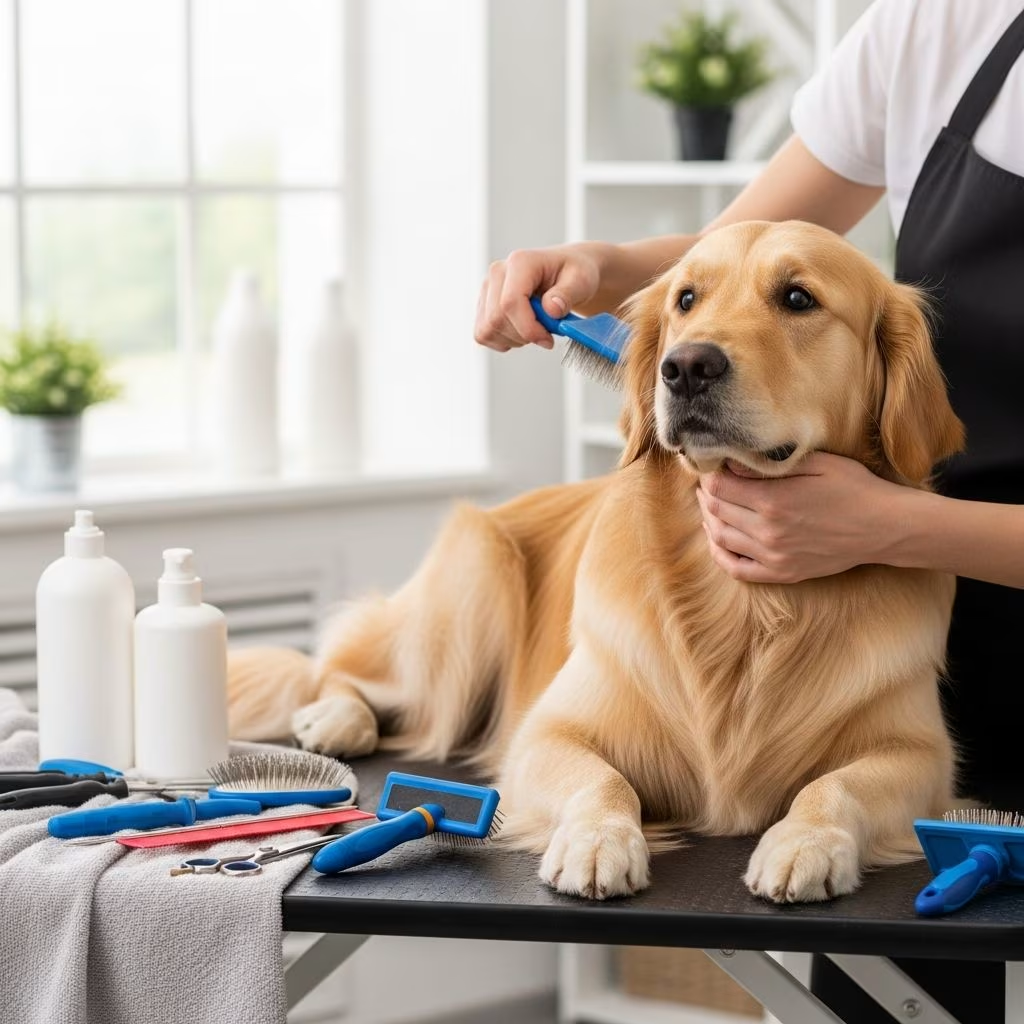
Grooming your dog at home promotes hygiene, strengthens bonds, and detects health issues early. Prioritizing safety prevents injuries and reduces stress for both you and your pet.
Why Home Grooming Matters for Your Dog’s Health
Regular grooming removes dirt, tangles, and loose fur, preventing skin problems and infections. It also allows you to check for lumps, fleas, or irritations that might signal underlying conditions. Unlike professional salons, home sessions let you work at your dog’s pace, minimizing anxiety. Start with short sessions to build trust, gradually introducing new steps.
Benefits include cost savings, convenience, and customized care tailored to your dog’s breed and coat type. Short-haired breeds need less maintenance, while long-haired ones require frequent brushing to avoid mats that can pull on skin.
Assembling Your Essential Grooming Toolkit
Select tools matched to your dog’s size, coat, and needs for efficient, safe grooming. Dull or inappropriate equipment risks cuts, pulls, or irritation.
- Brushes: Slicker brushes for medium to long coats remove undercoat; bristle brushes suit short coats for shine.
- Combs: Wide-toothed for detangling, fine-toothed for fleas.
- Clippers: Quiet, cordless models with cooling features prevent overheating; use appropriate blades like #10 for sensitive areas.
- Scissors: Blunt-tipped safety shears for paws and face trimming.
- Nail Clippers: Guillotine-style for small dogs, scissor-style for larger ones; include styptic powder for quick bleed stops.
- Shampoos: Tear-free, mild formulas; oatmeal-based for sensitive skin.
Invest in quality items to avoid snags. Store in a clean, organized kit and sanitize regularly.
Creating a Calm and Secure Grooming Space
A stable, quiet environment sets the tone for successful sessions. Use non-slip mats on tables or floors to prevent slips.
| Element | Safety Benefit | Tips |
|---|---|---|
| Grooming Table/Area | Stable positioning | Adjustable height; secure arm with quick-release loop |
| Lighting | Spot issues early | Bright, shadow-free overhead lights |
| Ventilation | Prevent overheating | Well-aired room; fans for dryers |
| Restraints | Limit movement | Grooming noose or harness; never tight |
Play soft music or use pheromone diffusers to soothe nerves. Keep sessions positive with treats and praise.
Pre-Grooming Health Checks and Prep
Before touching tools, inspect your dog thoroughly. Part fur to reveal skin conditions like redness, bumps, or “Henry’s pocket” in ears—prone to nicks.
- Examine eyes, ears, mouth for discharge or odors.
- Feel for lumps, hot spots, or parasites.
- Assess temperament: Nervous dogs need extra calm.
If issues appear, consult a vet. Brush first to remove mats, pulling them away from skin before clipping to avoid cuts.
Step-by-Step Brushing and Detangling Techniques
Brushing distributes oils, removes debris, and prevents mats. Go with the grain, using light pressure to avoid brush burn on bony areas like hips.
- Start at head, work back; divide coat into sections.
- Use fingers or comb under mats; clip if severe.
- Daily for long coats, weekly for shorts.
For double-coated breeds, use an undercoat rake gently to avoid irritation.
Safe Bathing Protocols for Every Coat Type
Bathing cleans deeply but overdoing it strips oils—aim monthly or as needed. Use lukewarm water and tearless shampoo to protect eyes.
- Fill tub to chest level; wet thoroughly, avoiding head initially.
- Lather, massage in, rinse completely to prevent residue itch.
- Towel dry gently; use low-heat dryer held 6 inches away.
Secure small dogs in slings; muzzle if splashing causes panic.
Precise Nail Trimming Without mishaps
Overgrown nails cause pain and gait issues. Trim in good light, clipping small amounts to avoid the quick.
- Hold paw firmly; white nails show pink quick—stop short.
- Dark nails: Clip 2mm at a time, check for blood.
- File edges smooth post-trim.
If bleeding occurs, apply styptic powder firmly.
Professional-Level Hair Trimming and Clipping
Clipping requires practice; start with sanitary areas. Use sharp blades on clean fur to prevent pulls or “clipper burn.”
| Area | Blade Recommendation | Precautions |
|---|---|---|
| Sanitary (genitals) | #10 or 8.5 | Lift skin taut; cool blade |
| Paws/Feet | #10 | Spread toes; blunt scissors backup |
| Face/Ears | Scissors only | Point tips outward; avoid folds |
| Body | #7 or longer | Flat areas only; check heat |
Cool clippers frequently; oil blades. Never rush sensitive spots.
Cleaning Ears, Teeth, and Eyes Properly
Neglect here leads to infections. Use cotton pads—not swabs—in ears with vet-approved solution; massage base, let shake out.
- Eyes: Damp cloth wipes outer corners; no soap.
- Teeth: Finger brush or dental chews weekly; enzymatic toothpaste.
Monitor for wax buildup or tartar signaling pro cleaning.
Drying and Finishing Touches for a Polished Look
Thorough drying prevents chills or mildew. Use absorbent towels first, then slicker brush with cool dryer.
Spray detangler for shine; comb through. Reward with playtime.
Recognizing and Managing Stress Signals
Dogs show stress via yawning, lip-licking, whale-eye, or growling. Pause, offer breaks, use treats. Muzzle fearful biters after vet desensitization.
Build tolerance with positive reinforcement over time.
Frequent Mistakes and How to Avoid Them
- Rushing: Take breaks; sessions under 30 minutes initially.
- Poor Maintenance: Clean/oil tools post-use.
- Wrong Blade: Avoid wide-tooth on folds.
- No PPE: Wear gloves, aprons for protection.
Frequently Asked Questions (FAQs)
How often should I groom my dog?
Depends on breed: Daily brushing for long coats, weekly baths, monthly nails.
Can I groom a puppy at home?
Yes, start young with gentle handling to acclimate.
What if my dog hates clippers?
Desensitize gradually with turned-off sessions and rewards.
Is professional grooming ever needed?
For complex breeds or mats, yes; combine with home maintenance.
How do I handle aggressive behavior?
Muzzle train and seek pro help if needed.
Building a Routine for Long-Term Success
Schedule weekly sessions, tracking progress in a journal. Adjust based on seasons—more brushing in shedding periods. Consistency fosters calm, healthy dogs.
Word count: 1678 (excluding metadata and references).
References
- Dog Grooming Safety Tips — Clipit Grooming. Accessed 2026. https://www.clipit-grooming.com/post/dog-grooming-safety-tips
- The Ultimate Guide to Grooming Safety — Groomers Helper. Accessed 2026. https://groomershelper.com/blogs/groomers-helper/the-ultimate-guide-to-grooming-safety-protect-yourself-and-your-clients
- Seven Safety Tips Every Dog Groomer Should Know — PetEdge. Accessed 2026. https://www.petedge.com/blog/seven-safety-tips/
- Health and Safety Protocols Every Dog Grooming Business Should Follow — Logan’s House. Accessed 2026. https://www.loganshouse.com/blog/protocols-every-dog-grooming-business-should-follow
- Safety Considerations for Pet Groomers — Gingrapp. Accessed 2026. https://www.gingrapp.com/blog/safety-considerations-for-pet-groomers
- Grooming A Dog Without Injury — Merryfield.edu. Accessed 2026. https://www.merryfield.edu/blog/pet-grooming/grooming-a-dog-without-injury/
- Dog Grooming Tips — ASPCA.org. Accessed 2026. https://www.aspca.org/pet-care/dog-care/dog-grooming-tips



