

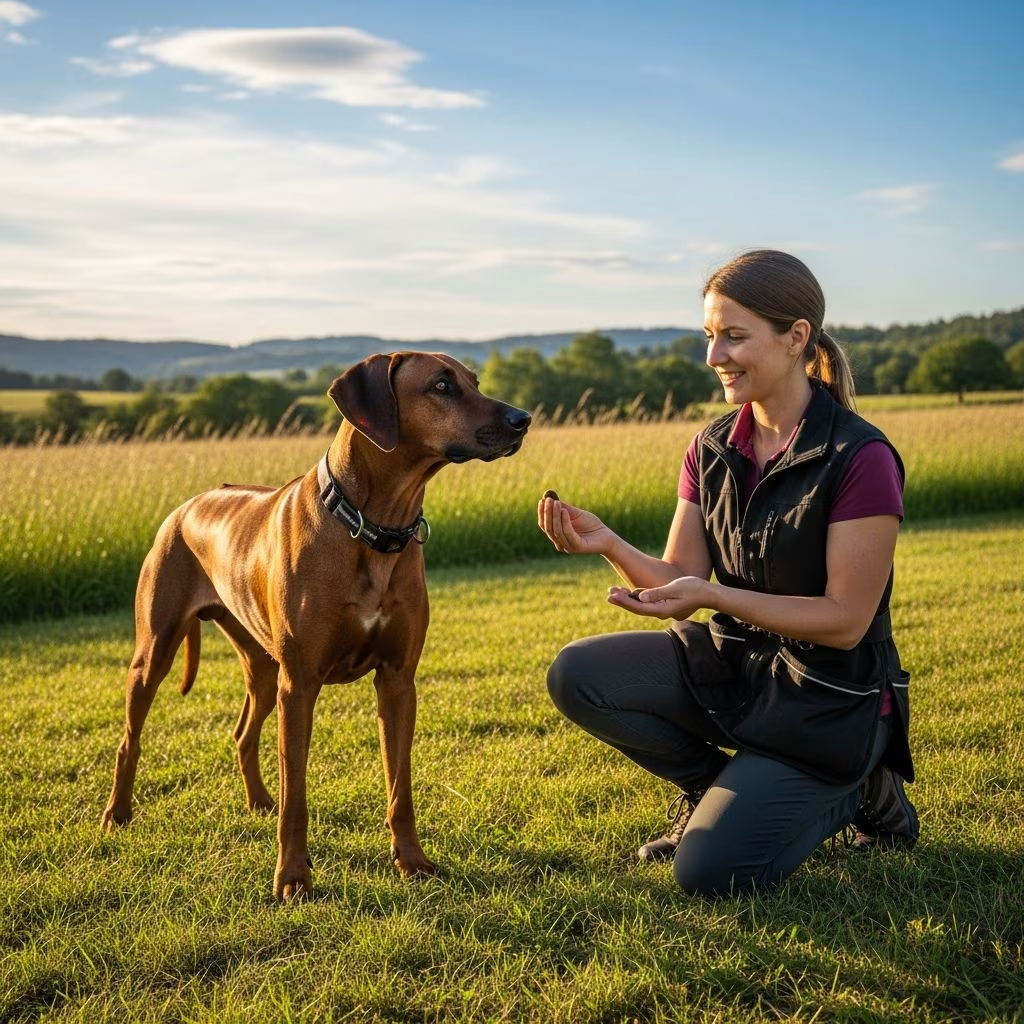
Rhodesian Ridgebacks are majestic dogs renowned for their athletic build, loyalty, and distinctive spinal ridge. Originating from Southern Africa, these versatile hounds were bred for hunting large game and protecting homesteads, traits that demand structured training to channel into modern companionship.Effective training transforms their independent spirit into reliable obedience, ensuring they thrive in family settings.
Understanding the Rhodesian Ridgeback Breed
To train a Rhodesian Ridgeback successfully, grasp their core characteristics. These large canines stand 24-27 inches tall at the shoulder, weighing 70-85 pounds, with a short, wheaten coat that sheds minimally. Their muscular frame supports endurance activities, but their hunting background instills a high prey drive and guarded demeanor toward outsiders.
Temperamentally, they exhibit dignity, affection toward family, and reserve with strangers. Intelligent yet strong-willed, they respond best to firm, consistent leadership rather than harsh methods. Without proper guidance, their stamina can lead to restlessness or dominance issues, particularly in multi-dog homes or with young children.
Preparing Your Home for a Ridgeback Puppy
Before bringing home a Rhodesian Ridgeback puppy, create a secure environment. Puppy-proof spaces by removing chew hazards and securing yards, as their curiosity and strength can lead to escapes. Stock essentials like a sturdy crate (minimum 42 inches), high-quality kibble suited for large breeds, and durable toys to match their powerful jaws.
- Crate selection: Opt for wire crates with dividers for growing pups.
- Bedding: Thick orthopedic mats support joint health.
- Toys: Kong-style chew toys and puzzle feeders for mental engagement.
Establish house rules early: designate off-limits areas and introduce family routines. This foundation prevents behavioral pitfalls rooted in their independent nature.
Essential Puppy Socialization Strategies
Socialization from 8-16 weeks is critical for Rhodesian Ridgebacks to curb aloofness and prey drive. Expose puppies gently to diverse stimuli: people, sounds, animals, and environments.
Organize controlled outings to parks, pet stores, and obedience classes. Reward calm behavior with treats and praise to build positive associations. Aim for daily 15-20 minute sessions, avoiding overwhelm that could foster fear.
| Age Range | Socialization Focus | Activities |
|---|---|---|
| 8-12 weeks | Household noises, family members | Vacuum exposure, gentle handling |
| 12-16 weeks | Strangers, other dogs | Park visits, puppy playdates |
| 16+ weeks | Urban stimuli, vehicles | City walks, car rides |
Consistent socialization yields confident adults who integrate seamlessly into varied lifestyles.
Housebreaking and Crate Training Fundamentals
Housebreaking leverages their natural cleanliness. Use crate training as puppies instinctively avoid soiling their den. Feed on a schedule—three meals daily—and take them outside immediately after, praising successes lavishly.
Signs of readiness include sniffing or circling; preempt accidents by frequent potty breaks every 2-3 hours initially, extending as control improves. Nighttime crating with limited water post-8 PM aids bladder development. Accidents decrease within 4-6 weeks with patience.
- Introduce crate positively with treats.
- Start with short absences, gradually increasing to hours.
- Nighttime: Crate beside bed for reassurance.
By 6 months, most achieve reliable house manners, reducing stress for owners.
Building Core Obedience Commands
Positive reinforcement—treats, toys, praise—excels with this intelligent breed. Begin in low-distraction settings, using high-value rewards like chicken bits.
Sit and Stay Mastery
Lure with a treat above the nose to elicit a sit, then add the verbal cue. Progress to stay by stepping back incrementally, returning to reward. Sessions of 5-10 minutes, 3x daily, build reliability.
Come and Heel Precision
For recall, use a long line in safe areas, calling enthusiastically and rewarding promptly. Heel training employs a six-foot leash, rewarding position beside your left leg. Practice during walks to counter pulling tendencies from their hound heritage.
Consistency across family members prevents confusion; hand signals alongside words enhance learning.
Addressing Common Behavioral Challenges
Rhodesian Ridgebacks may chew destructively if bored or exhibit jumping due to excitement. Redirect chewing to appropriate toys, exercising 60+ minutes daily via runs or fetch.
Dominance surfaces as ignoring commands; reinforce leadership with daily training refreshers. Separation anxiety, common in bond-forming breeds, improves with desensitization: short departures with toys, building tolerance.
- Chewing: Provide frozen carrots or bully sticks.
- Jumping: Turn away, reward four-on-floor.
- Barking: Though quiet, teach ‘quiet’ cue post-alert.
Advanced Training for Active Lifestyles
Leverage their athleticism in agility, lure coursing, or tracking. Enroll in breed-specific clubs for structured outlets. Off-leash reliability demands 100% recall proficiency first, tested in fenced areas.
Guard instincts require boundaries; teach ‘leave it’ for prey distractions. Canine good citizen certification polishes manners for public access.
Exercise and Mental Stimulation Routines
Daily needs exceed 2 hours: 45-minute brisk walks, 30-minute runs, plus play. Mental games like scent work tap hunting roots.
| Activity Type | Duration | Benefits |
|---|---|---|
| Walking/Running | 60 mins | Physical stamina, leash manners |
| Fetch/Frisbee | 30 mins | Cardio, recall practice |
| Puzzle Toys | 20 mins | Mental fatigue, prevents boredom |
Rotate activities to sustain engagement, preventing high-strung behavior.
Nutrition, Grooming, and Health Maintenance
Fuel training with large-breed puppy food transitioning to adult formulas rich in glucosamine for joints. Feed twice daily, monitoring weight to avoid bloat risk.
Groom weekly: brush coat, check ridge for dermatitis, trim nails monthly. Vet checkups ensure dermoid sinus screening, a breed concern.
Frequently Asked Questions
Are Rhodesian Ridgebacks good for first-time owners?
No, their independence suits experienced handlers committed to consistent training.
How much exercise does a Ridgeback need?
At least 2 hours daily, combining physical and mental challenges.
Can they live with cats?
Possible with early socialization, but supervise due to prey drive.
What’s the best training method?
Positive reinforcement with firm leadership.
Do they bark a lot?
Rarely; they alert sparingly.
Long-Term Training Success Tips
Lifelong reinforcement keeps skills sharp. Annual refreshers, new tricks, and involvement in dog sports maintain bond and purpose. Patience yields a devoted guardian.
References
- Dog Breed Profile: Rhodesian Ridgeback — Woof. 2023. https://mywoof.com/blogs/articles/dog-breed-profile-rhodesian-ridgeback
- Rhodesian Ridgeback Dog Breed Information and Pictures — Dog Breed Info. 2024. https://www.dogbreedinfo.com/rhodesianridgeback.htm
- Rhodesian Ridgeback Dog Breed — Hill’s Pet Nutrition. 2025-01-15. https://www.hillspet.com/dog-care/dog-breeds/rhodesian-ridgeback
- Rhodesian Ridgeback — Wikipedia. 2026-01-20. https://en.wikipedia.org/wiki/Rhodesian_Ridgeback
- What to Know About Rhodesian Ridgebacks — WebMD. 2024-06-10. https://www.webmd.com/pets/dogs/what-to-know-about-rhodesian-ridgebacks
- Rhodesian Ridgeback Dog Breed Information — Purina UK. 2025. https://www.purina.co.uk/find-a-pet/dog-breeds/rhodesian-ridgeback
- Rhodesian Ridgeback Dog Breed Information — American Kennel Club. 2026-01-01. https://www.akc.org/dog-breeds/rhodesian-ridgeback/



