
Mastering Recall Training: Build a Responsive Bond
Transform your dog's response with proven recall techniques and positive reinforcement strategies.
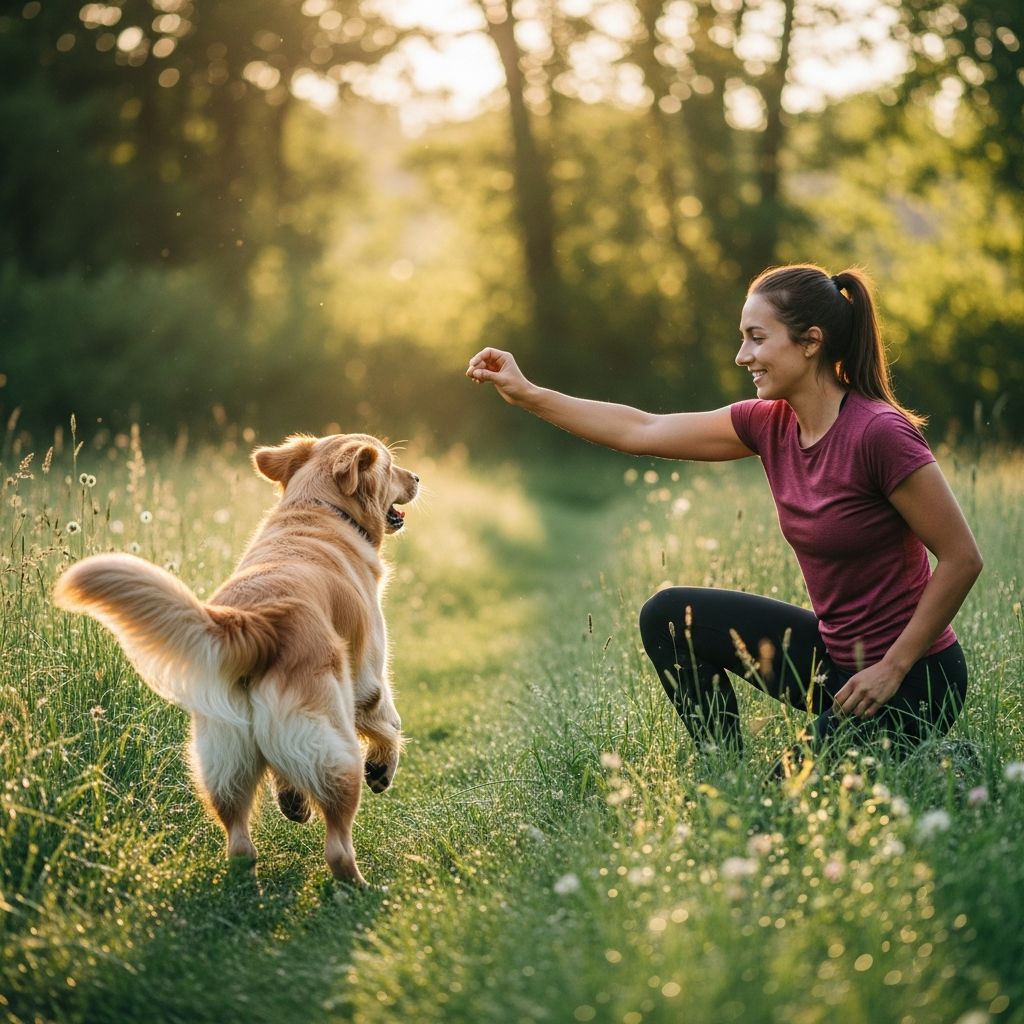
The ability to call your dog and have them reliably return to you is one of the most valuable skills any pet owner can develop. This fundamental obedience foundation goes beyond simple commands—it represents a strong communicative relationship where your dog understands that responding to you results in positive outcomes. Whether you’re navigating a busy park, managing multiple dogs, or ensuring safety in unpredictable environments, a solid recall can be the difference between a relaxed outing and a stressful situation.
Understanding the Foundation: Why Recall Matters
Recall training serves multiple critical purposes in your dog’s life and your relationship with them. A reliable recall allows your dog greater freedom during off-leash activities while maintaining safety standards. Dogs with strong recall skills experience less stress when their owners can confidently call them away from potential hazards, other animals, or unsafe situations. Perhaps most importantly, recall training strengthens the bond between you and your dog by establishing clear communication channels and building trust through consistent, rewarding interactions.
The process of teaching recall isn’t merely about obedience—it’s about creating an association in your dog’s mind that returning to you is the most rewarding decision they can make. This psychological shift fundamentally changes how your dog views the recall command from something they must do to something they actively want to do.
Establishing the Groundwork: Starting Indoors
Successful recall training begins in controlled environments where external distractions are minimal. Start your training inside your home, where your dog already feels comfortable and where environmental variables are easier to manage. This initial phase focuses on building the core association between your recall cue and positive outcomes.
Before introducing any verbal command, establish attention and response to your dog’s name. Show your dog a favorite toy or high-value treat and allow them to naturally move toward you. As they approach, immediately provide verbal praise and deliver the reward. Repeat this sequence multiple times until your dog consistently orients toward you when you present rewards. Only after establishing this baseline should you introduce your chosen recall cue.
Select a short, snappy word that stands out in your everyday vocabulary. Common choices include “come,” “here,” or a specific whistle sound. The distinctiveness of your cue helps your dog differentiate it from casual conversation. Add your verbal cue only when you’re certain your dog is already moving toward you, reinforcing the behavior you want to encourage rather than trying to command a behavior your dog hasn’t yet performed.
Building Motivation Through High-Value Rewards
The most significant factor determining recall success is the reward system you establish. Dogs respond based on what they’ve learned matters most, so your rewards must be irresistible enough to compete with any environmental distractions.
High-value rewards fall into two primary categories: food treats and toys. For food rewards, select items that exceed your dog’s normal diet in appeal—small pieces of cheese, hot dogs, or specialized training treats work well. For toy-motivated dogs, use items they particularly enjoy, whether that’s a favorite ball, tug toy, or interactive toy. The most effective approach often combines both types, rotating between them to maintain unpredictability and sustained interest.
Critically, vary your rewards so your dog never knows exactly what they’ll receive when they respond to the recall cue. This unpredictability creates powerful motivation—your dog stays engaged because the outcome remains exciting and uncertain. As your dog’s recall becomes more reliable, you can gradually reduce the frequency and magnitude of rewards, but this transition should happen gradually and deliberately.
Progressive Distance and Distraction Increases
Once your dog reliably responds to recall in your home, gradually expand the training environment and complexity. Begin by increasing the physical distance between you and your dog during indoor training sessions. Call your dog from across a room, then from different rooms, progressively building their confidence in responding across greater distances.
After establishing solid indoor performance, transition to outdoor environments starting with low-distraction areas like quiet backyards. Use a long line—a 20 to 50-foot training leash that provides safety while allowing freedom of movement. The long line serves dual purposes: it prevents your dog from practicing unsuccessful recalls by running away, and it allows you to guide your dog back if needed while you continue building reliability.
Systematically introduce distractions in graduated fashion. Begin with minor interruptions: stand between your dog and their focus point, walk across their path, or speak to them as they move. Progress to more significant distractions: sit on the ground in their path, hold treats in your hands without offering them, or have another person hold a toy. Eventually, practice recalls with another dog present on-leash, which represents one of the most challenging real-world distractions.
Engaging Training Games That Build Enthusiasm
Recall training becomes exponentially more effective when structured as play rather than formal obedience work. Dogs naturally enjoy interactive games, and incorporating play into training maintains enthusiasm and prevents the association of recall practice with monotony.
The Chase Game
One of the most effective games involves tapping into your dog’s natural chase instinct. While your dog walks beside you on-leash, get their attention and immediately run away rapidly. As your dog pursues you, issue your recall cue in a cheerful, enthusiastic tone. After running 10-15 feet, stop and provide a high-value reward or initiate a quick game of tug-of-war. This game reinforces that following you leads to excitement and reward, making the recall cue increasingly powerful.
The Hide-and-Seek Approach
Once your dog demonstrates solid recall indoors, introduce hide-and-seek games. Call your dog from another room or from behind a large object. When your dog finds you, deliver abundant praise and rewards. This variation maintains engagement by introducing a problem-solving element while reinforcing that responding to your call leads to a rewarding reunion.
The Multi-Person Game
Gather two or more family members or friends and position them at distances of eight to ten feet apart, arranged in a line or circle. Each person holds high-value treats. Taking turns, individuals call your dog to them, immediately rewarding when your dog arrives. Gradually increase the distance between participants over multiple training sessions. This game teaches your dog that responding to any person’s recall cue is rewarding and maintains consistent recall reliability across different people.
Safety Considerations and Proper Technique
Effective recall training requires understanding critical safety principles that protect your dog while building reliable behavior. Never use the recall command as a prelude to something your dog finds unpleasant, such as nail trimming, medication administration, or confinement. This association destroys motivation and teaches your dog to avoid returning. If you must do something your dog dislikes, issue a different command or physically guide your dog rather than using the recall cue.
Always praise and reward your dog when they come to you, regardless of how long it took or whether you’re frustrated about their delayed response. Punishing a successful recall—even mild forms of displeasure—teaches your dog that returning wasn’t the right choice. Your goal is to create the strongest possible positive association with the recall command.
Establish a consistent sequence following the recall command. A popular technique involves gently grasping your dog’s collar immediately upon arrival, then delivering the reward. This teaches your dog that the recall culminates in collar contact, which is essential if you ever need to actually restrain your dog after calling them. Without this practice, your dog may come close but avoid the final step of allowing you to touch their collar.
Transitioning to Off-Leash Reliability
Moving from long-line training to off-leash situations requires careful judgment and assessment of your dog’s demonstrated reliability. Only transition to off-leash work when your dog consistently responds to the recall cue with minimal delay, even with moderate distractions present.
Begin off-leash practice in completely secure, fenced environments where any training mistakes don’t result in your dog escaping. Practice in areas with progressively more environmental distractions—a quiet field first, then a busier park with other people or dogs present. Always maintain the ability to physically manage your dog through fencing or other containment methods during this transition phase.
The transition should be gradual. Practice off-leash in very controlled settings repeatedly before attempting it in public spaces. Build your confidence in your dog’s response through repeated successful recalls in progressively challenging environments.
Common Challenges and Solutions
The Selective Listener: If your dog responds inconsistently, you may be repeating the cue before your dog has fully processed it. Avoid repeating the recall command; instead, if your dog doesn’t respond immediately, use a long line to gently guide them while reissuing the cue once. This teaches your dog that the first cue is what matters.
Environmental Overstimulation: Some dogs respond reliably indoors but ignore the recall cue outdoors. Address this by spending more time on long-line training with environmental distractions before attempting off-leash work. Increase reward values when training outdoors—what’s exciting indoors may need to be even more rewarding in stimulating environments.
The Avoidance Response: If your dog approaches reluctantly or stops short of actually allowing you to touch their collar, increase reward predictability and magnitude. Make coming to you unambiguously the best decision your dog can make in that moment. Practice the “gotcha” game extensively to desensitize your dog to collar touches.
Frequently Asked Questions
How long does it typically take to develop a reliable recall?
Timeline varies based on your dog’s age, prior training, and consistency of your practice. Most dogs show significant improvement within 4-6 weeks of regular training. Puppies often develop recall quickly due to their natural tendency to follow and maintain proximity to caregivers. Adult dogs may require longer, depending on previous learning experiences.
Should I use food or toys as primary rewards?
The best approach uses both, rotating between them to maintain unpredictability. Some dogs strongly prefer toys while others are food-motivated. Observe your individual dog’s preferences and incorporate both reward types into your training protocol. Many dogs respond best when unsure which type of reward will come next.
What’s the best recall cue word?
Choose something distinct and short: “come,” “here,” or a specific whistle. Avoid cues that sound similar to other commands you use. The most important factor is consistency—everyone in your household must use the identical cue and associated hand signals to avoid confusing your dog.
Can older dogs learn reliable recall?
Absolutely. While puppies may learn more quickly due to natural developmental factors, adult dogs are entirely capable of developing excellent recall with consistent training. Age doesn’t prevent learning; it simply may extend the timeline slightly.
Is off-leash training always necessary?
Not necessarily. Long-line training or always maintaining a leash provides safety without requiring off-leash work. Many handlers successfully manage their dogs throughout life using secure long lines or consistent leash management. Off-leash work is optional and should only proceed when you’re confident in your dog’s reliability.
Creating Long-Term Recall Success
Building a reliable recall is fundamentally about maintaining a strong, communicative relationship with your dog built on consistency and positive outcomes. Continue practicing recall even after your dog demonstrates proficiency—maintenance training prevents regression and keeps the skill sharp. Practice recalls in varied environments, under different conditions, and with changing reward schedules to maintain robust, reliable responses across all situations.
Recall training represents an investment in your dog’s safety, freedom, and your relationship with them. By following structured, positive training methods and maintaining consistent practice, you can develop a recall so reliable that your dog eagerly responds in virtually any circumstance, transforming how you experience life together.
References
- Teaching a Reliable Recall — Whole Dog Journal. https://www.whole-dog-journal.com/training/teaching-a-reliable-recall/
- How to Train a Reliable Recall for Your Dog — American Kennel Club. https://www.akc.org/expert-advice/training/reliable-recall-train-dogs-to-come-when-called/
- Recall Training in Dogs — UC Davis School of Veterinary Medicine. https://www.vetmed.ucdavis.edu/sites/g/files/dgvnsk491/files/inline-files/Recall_Training_in_Dogs.pdf
- Recall Training — Come Back When Called — Dogs Trust. https://www.dogstrust.org.uk/dog-advice/training/basics/recall-training
- Training a Steadfast Recall — Karen Pryor Clicker Training. https://clickertraining.com/training-a-steadfast-recall/
Similar Articles








Read full bio of Sneha Tete


