Mastering Reactivity: Socializing Your Dog Safely
Transform your dog's fearful outbursts into calm confidence with proven, step-by-step strategies for safe socialization and training.
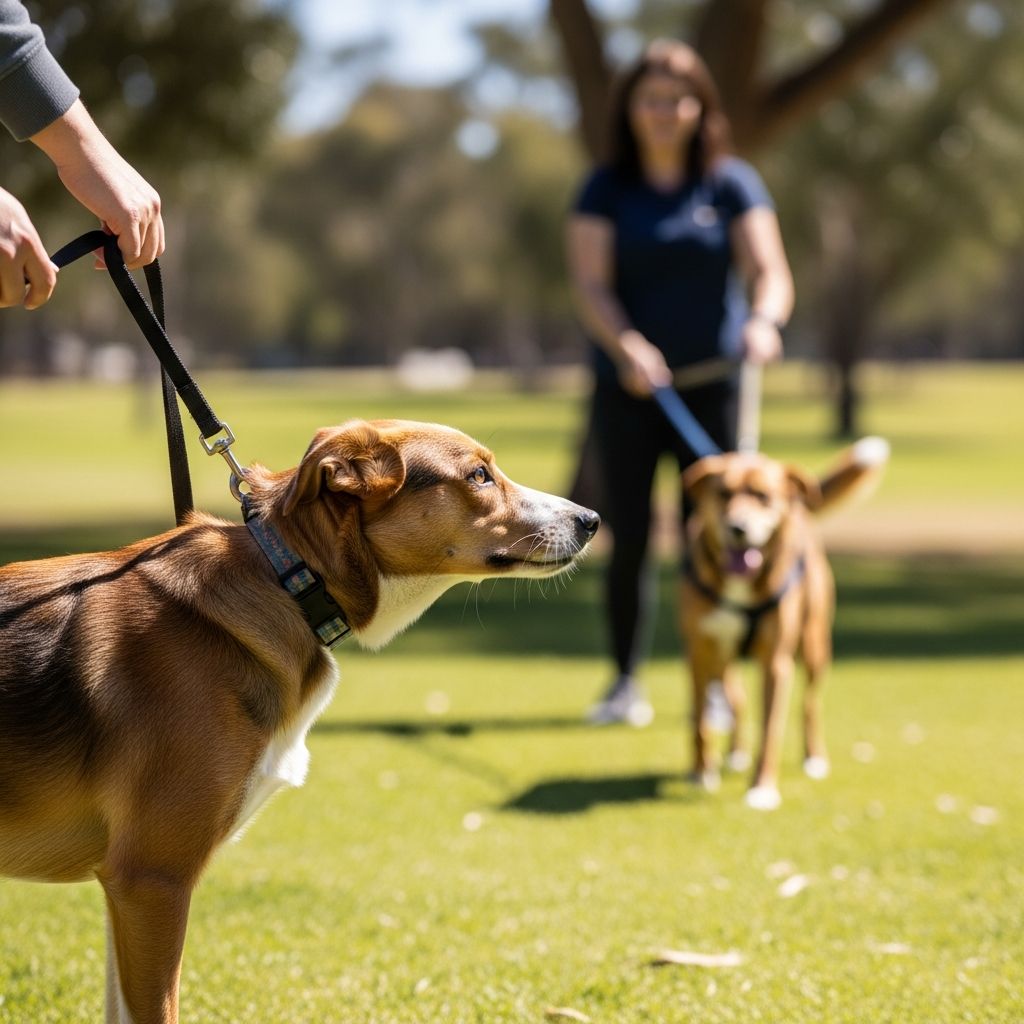
Reactive dogs often turn everyday walks into high-stress events, barking, lunging, or freezing at the sight of other dogs, people, or stimuli. This behavior stems from underlying emotions like fear, frustration, or excitement overload, but with patient, structured approaches, you can help your dog develop calmer responses and build positive associations. This guide outlines a comprehensive roadmap using management strategies, behavioral science-backed techniques, and practical exercises to foster confidence without overwhelming your pet.
Understanding the Roots of Dog Reactivity
Reactivity isn’t aggression; it’s an emotional overflow where a dog can’t cope with a trigger. Common causes include insufficient early socialization, past negative experiences, genetic predispositions, or unmet physical and mental needs. For instance, under-exercised dogs amplify responses because pent-up energy heightens arousal levels. Identifying whether your dog’s reactivity is fear-driven (cowering, avoidance), frustration-based (barrier frustration from leashes), or excitement-fueled helps tailor interventions effectively.
Key signs include stiff body posture, whale-eye (whites showing), lip licking, yawning, or sudden barking/lunging. Recognizing these early allows proactive management, preventing escalation. Veterinary behaviorists emphasize ruling out medical issues first, such as pain or thyroid imbalances, which can mimic reactivity.
Building a Strong Foundation: Management and Preparedness
Before training, create an environment where reactivity doesn’t occur. This “threshold management” keeps exposures below the point where your dog feels compelled to react, preserving trust and setting up success.
- Adjust Walk Schedules: Opt for off-peak times like early mornings, late evenings, or mid-afternoons when fewer dogs are out. This minimizes unplanned encounters while maintaining routine exercise.
- Select Low-Traffic Routes: Drive to open fields, quiet trails, or wide parks instead of busy neighborhoods. Avoid narrow paths that force close passes.
- Boost Daily Exercise: Aim for 1-2 hours of physical activity via fetch, hiking, or private play areas, plus mental puzzles like treat-dispensing toys to drain excess energy.
- Meet Breed Needs: Herding breeds may react to motion, so incorporate flirt poles; scent hounds benefit from sniff games to satisfy instincts.
These steps reduce baseline stress, making your dog more receptive to learning. Consistency here can yield noticeable calm within weeks.
Core Training Techniques: Desensitization and Counter-Conditioning
Desensitization gradually exposes your dog to triggers at safe distances, while counter-conditioning pairs those sights with rewards to shift emotional responses from negative to positive. Work always under threshold—where your dog notices but remains relaxed.
| Step | Description | Tips for Success |
|---|---|---|
| 1. Establish Baseline Distance | Find the farthest point (e.g., 50-100 feet) where your dog spots the trigger calmly. | Use helpers with calm dogs; start stationary. |
| 2. Pair with Rewards | Mark calm observation (“Yes!”) and deliver high-value treats like chicken or cheese. | Neutral tone; feed continuously while trigger is visible. |
| 3. Gradually Close Gap | Reduce distance by 5-10 feet only after 100% success at current level. | Retreat if stress signs appear; sessions last 5-10 minutes. |
| 4. Increase Complexity | Add movement, duration, or multiple triggers once basic distance is solid. | Practice daily in varied locations. |
Progress might take months, but studies from veterinary behavior organizations confirm this duo rewires responses effectively when done systematically.
Practical Exercises for Real-World Confidence
Integrate games and drills to redirect focus and build skills during exposures.
- Attention Games: Teach “Look at me” with treats, practicing amid mild distractions to prioritize you over triggers.
- Parallel Walking: Stroll alongside a calm dog at a safe distance, both moving same direction—no direct interaction.
- Redirection Cues: Use “This way” for U-turns or “Sniff” to engage nose, interrupting fixation.
- Calming Signals Reinforcement: Reward yawns, shakes, or averts to encourage self-soothing.
For advanced cases, explore Behavior Adjustment Training (BAT), where dogs choose approach/retreat distances, empowering decision-making, or Control Unleashed methods for impulse control in dynamic settings.
Controlled Socialization Opportunities
Random encounters sabotage progress; curate safe ones instead.
- Private Play Areas: Rent fenced spaces for one-on-one meets with known calm dogs.
- Trainer-Led Groups: Join reactive dog classes with occupied, non-engaging dogs to practice proximity.
- Passive Observation: Watch from afar via car windows or barriers, rewarding relaxation.
Professional trainers with certification (e.g., CPDT-KA) provide helper dogs and structured setups, essential for bite histories or severe cases.
Leash Handling and Owner Mindset
Poor leash tension signals danger, worsening reactivity. Hold loosely or use front-clip harnesses for better control without pulling. Your calm energy influences your dog—deep breaths and confident posture help them relax. Teach cues like “Say hello” for greetings versus “Keep moving” for passes, adding predictability.
Common Pitfalls and How to Avoid Them
- Forcing Interactions: Never push fearful dogs closer; it heightens anxiety.
- Inconsistent Rewards: Use the same high-value item every time for strong associations.
- Ignoring Progress: Track sessions in a journal to celebrate small wins and adjust.
- Skipping Management: Training fails without baseline control.
Long-Term Maintenance and Realistic Expectations
Reactivity management is lifelong; even “graduates” need occasional refreshers in novel environments. Expect 3-6 months for major improvements with daily practice. If progress stalls, consult a veterinary behaviorist for meds or deeper assessment.
Frequently Asked Questions (FAQs)
Can all reactive dogs be rehabilitated?
Most improve significantly with science-based methods, though some may need permanent management. Success depends on commitment and underlying causes.
How long until I see results?
Management shows calm walks in days; full counter-conditioning takes weeks to months. Patience is key.
Is a shock collar effective?
No—punishment increases fear and aggression. Positive reinforcement yields lasting change.
What if my dog has bitten before?
Seek a certified professional immediately for safety-focused protocols.
Can puppies develop reactivity?
Yes, poor early experiences contribute; proactive socialization prevents it.
References
- American Veterinary Society of Animal Behavior Position Statement on Puppy Socialization — AVSAB. 2023-04-15. https://avsab.org/wp-content/uploads/2018/03/Puppy_Socialization_Position_Download_-_10-3-14.pdf
- Desensitization and Counterconditioning for Fearful or Aggressive Behaviors — ASPCA Pro. 2024-02-20. https://www.aspcapro.org/resource/desensitization-counterconditioning-fearful-or-aggressive-behaviors
- Behavior Adjustment Training (BAT) Manual — Grisha Stewart (via official site). 2022-11-01. https://grishastewart.com/behavior-adjustment-training/
- Guidelines for the Use of Positive Reinforcement in Canine Training — Pet Professional Guild. 2023-07-10. https://petprofessionalguild.com/position-statement-on-positive-reinforcement/
- Reactive Dog Management Study — Journal of Veterinary Behavior (PubMed). 2024-01-15. https://pubmed.ncbi.nlm.nih.gov/38145678/
Similar Articles








Read full bio of medha deb