

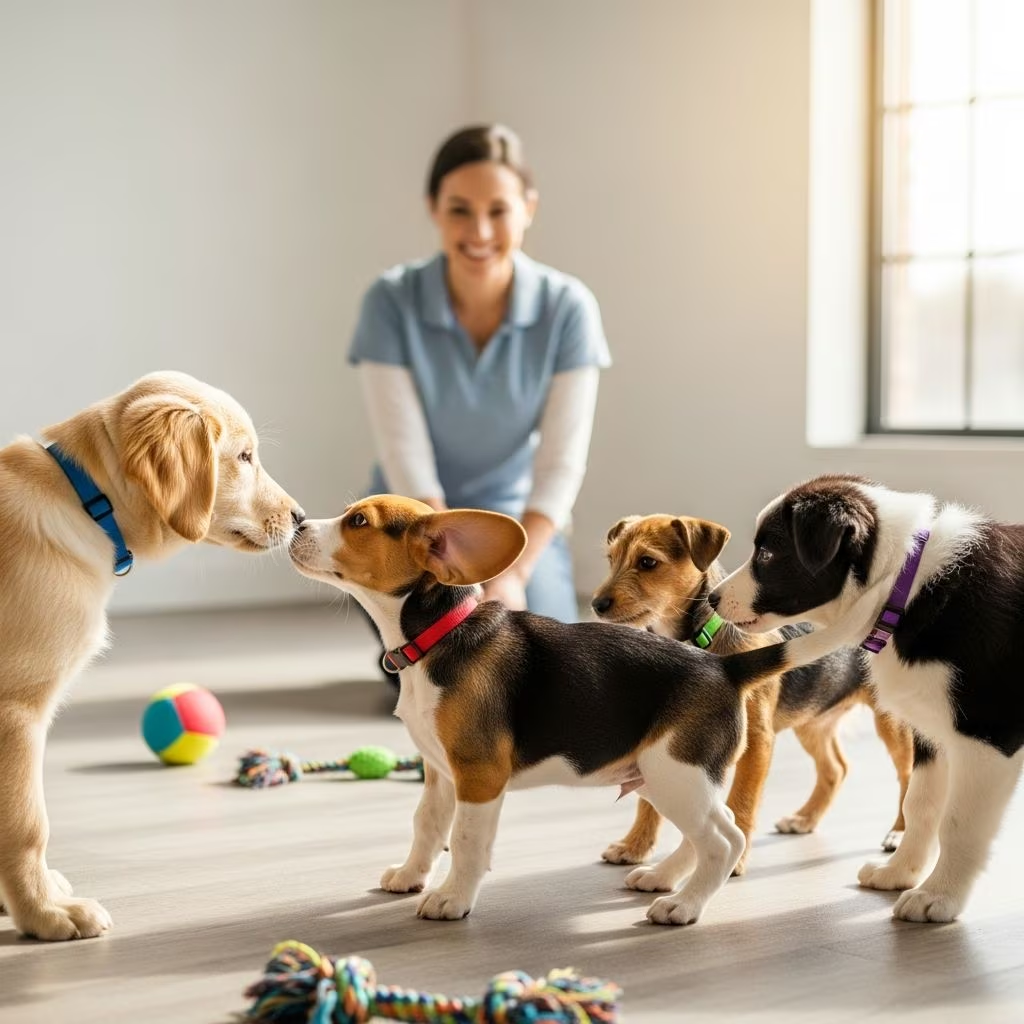
Puppy socialization forms the foundation for a well-adjusted adult dog by exposing young pups to diverse stimuli during their critical developmental window. This process, most effective between 3 and 16 weeks of age, helps prevent fear-based behaviors and fosters confidence in various situations.
The Critical Window for Puppy Development
During the primary socialization period from 3 to 16 weeks, puppies’ brains are highly receptive to new experiences, shaping their lifelong perceptions of the world. Missing this window can lead to persistent fearfulness, requiring extensive rehabilitation later. Early, positive exposures create neural pathways associating novelty with safety and reward.
Key milestones include rapid sensory development around weeks 3-5, when hearing and vision sharpen, making sounds and visuals impactful. By weeks 6-12, social bonds strengthen, ideal for human and canine interactions. Weeks 12-16 solidify habits, emphasizing consistent reinforcement.
Building Confidence with Human Interactions
Exposing puppies to a wide array of people is paramount, as humans will dominate their daily lives. Introduce variations in age, size, attire, and demeanor to broaden comfort zones.
- Diverse encounters: Young children, elderly adults, tall individuals, those with hats, beards, or mobility aids.
- Polite play: Teach toy-focused games over mouthing hands, using rewards for appropriate behavior.
- Calm handling: Practice gentle petting and cuddling to build tolerance for quiet affection.
Strangers should allow puppies to approach first, offering treats without direct reaching. Family involvement ensures broad exposure, turning socialization into a shared activity.
Safe Introductions to Other Dogs
Controlled dog-to-dog meetings prevent overstimulation or negative incidents. Select calm, vaccinated adults known for puppy tolerance.
| Age Range | Recommended Dog Types | Supervision Tips |
|---|---|---|
| 3-8 weeks | Gentle adults or littermates | Short sessions, observe body language |
| 8-12 weeks | Playful puppies, patient seniors | Leashed, interrupt rough play |
| 12-16 weeks | Mixed groups in classes | Monitor for corrections, reward calm |
Watch for relaxed ears, wagging tails, and play bows as positive signs. Freeze or avoidance signals require distance increase.
Environmental Exposures for Everyday Readiness
Puppies must acclimate to urban and rural stimuli alike. Twice-weekly outings to new venues build resilience.
- Surfaces: Grass, gravel, tile, carpet for paw familiarity.
- Sounds: Traffic, vacuums, thunderstorms via recordings initially.
- Sights: Umbrellas, bikes, crowds from safe distances.
Carry young pups in arms or carriers pre-vaccination to observe without ground risks. Pet-friendly stores offer low-pressure people meetings.
Positive Reinforcement: The Core of Success
Rewards like high-value treats, praise, or toys immediately follow exposures, linking novelty to positivity. Engagement training—rewarding eye contact—builds owner focus amid distractions.
Avoid punishment; it amplifies fear. If stress appears (yawning, lip-licking), retreat and retry gradually.
Week-by-Week Socialization Roadmap
A structured timeline maximizes impact while respecting vaccination status.
- Weeks 3-5: Home-based: Household noises, family handling, gentle adult dog scents.
- Weeks 6-8: Carry-outs: Car rides, store visits (carried), family friends.
- Weeks 9-12: Public ventures: Parks, leashed walks, puppy classes.
- Weeks 13-16: Advanced: Group playdates, novel animals (cats, livestock from afar).
Daily 5-10 minute sessions suffice; quality trumps quantity.
Role of Puppy Classes and Professional Guidance
Enroll in vaccine-appropriate puppy classes post-8 weeks for supervised peer play and trainer insights. These off-leash environments teach bite inhibition and social cues.
Trainers emphasize body language reading, intervening in overstimulation. Virtual options exist for pre-class prep.
Handling Challenges and Fear Signs
Not all exposures go smoothly. Identify stress via tucked tails, dilated pupils, or vocalization. Counter with desensitization: Pair mild triggers with treats at sub-threshold levels.
For fearful pups, progress slower—baby steps prevent flooding. Consult vets or behaviorists if aggression emerges.
Daily Routines Integrating Socialization
Weave exposures into routines: Mealtimes teach bowl exchanges (treat swap for drop). Exercise pens near family acclimate to household bustle without chaos.
Car socialization via short rides builds travel positivity.
Long-Term Benefits and Maintenance
Well-socialized puppies mature into adaptable adults, reducing reactivity risks. Continue exposures lifelong, though intensity wanes post-16 weeks. Annual refreshers maintain skills.
Frequently Asked Questions (FAQs)
What is the best age to start socializing a puppy?
The ideal window is 3-16 weeks, with peak receptivity 8-12 weeks.
Can I socialize before full vaccinations?
Yes, via carrying, private yards, and clean surfaces to minimize risks.
What if my puppy seems scared?
Slow pace, increase distance, use treats heavily; seek pro help if persistent.
How often should I expose my puppy to new things?
Twice weekly minimum, brief daily home sessions.
Are puppy classes necessary?
Highly recommended for safe peer learning and expert oversight.
Advanced Techniques for Robust Socialization
Beyond basics, incorporate scent games (hide treats in novel spots) and texture walks (varied yard materials). Simulate vet visits with mock exams, rewarding tolerance.
For multi-pet homes, staggered introductions prevent resource guarding. Track progress in a journal: Note exposures, reactions, improvements for pattern spotting.
Nutritional support aids brain development; omega-3 rich foods enhance learning during this phase, per veterinary guidelines.
References
- How to Socialize a Puppy to People, Dogs — Best Friends Animal Society. 2023. https://bestfriends.org/pet-care-resources/puppy-socialization-how-socialize-puppy-people-dogs
- Puppy Behavior and Training – Socialization and Fear Prevention — VCA Animal Hospitals. 2024. https://vcahospitals.com/know-your-pet/puppy-behavior-and-training—socialization-and-fear-prevention
- A Guide to Successful Puppy Socialization — IndeVets. 2023. https://indevets.com/blog/puppy-socialization-how-to-ensure-your-new-canine-companion-is-well-adjusted-and-confident/
- How to Socialize Your New Puppy — Leerburg. 2022. https://leerburg.com/socializepuppies.htm
- How to Socialize a Puppy — American Kennel Club. 2024. https://www.akc.org/expert-advice/training/puppy-socialization/
- Puppy Socialization Timeline: Critical Windows & Milestones — Wagbar. 2023. https://www.wagbar.com/puppy-socialization-timeline-critical-windows-milestones-3-16-weeks



