

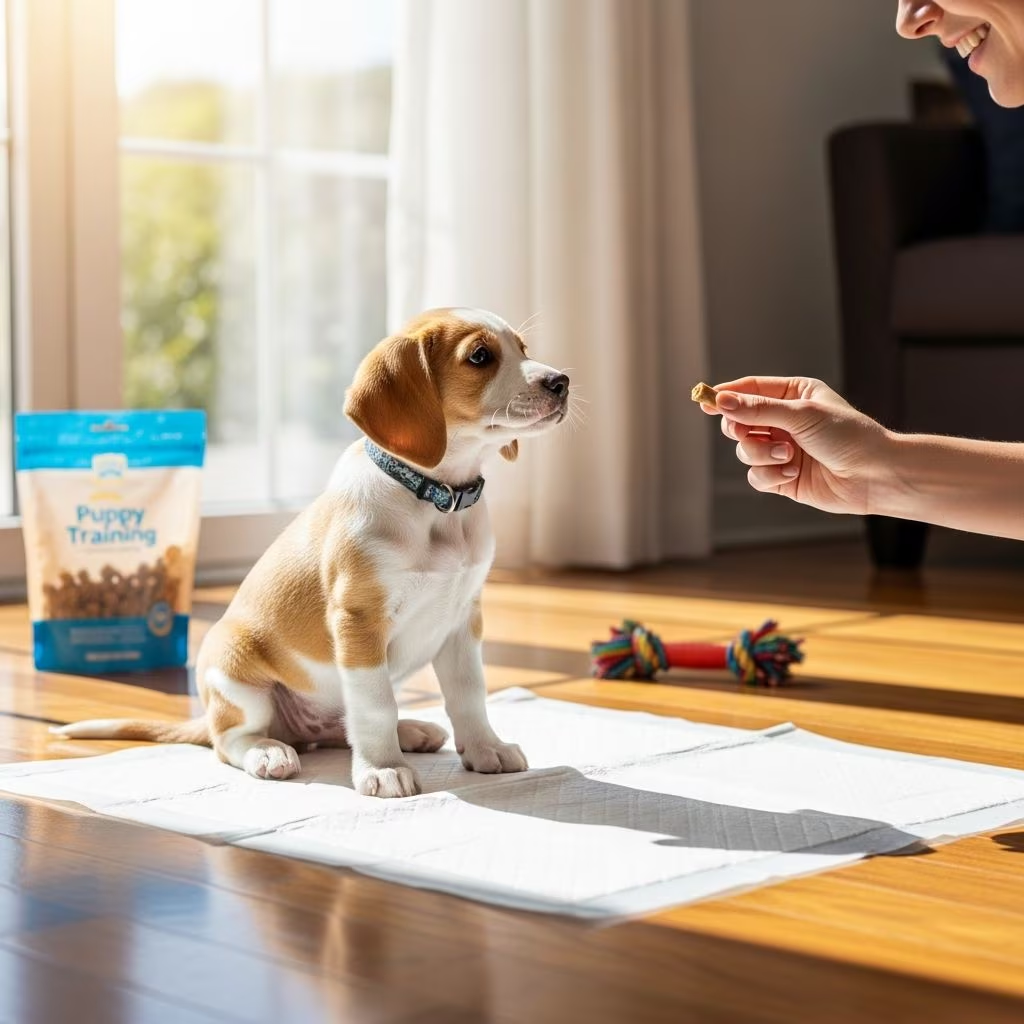
Housebreaking a new puppy stands as one of the most critical early training milestones for dog owners. Establishing proper elimination habits prevents accidents, fosters a clean living space, and builds a strong foundation for further obedience. With structured approaches involving supervision, consistency, and positive feedback, most puppies master this skill within weeks. This guide draws from established veterinary and training practices to outline a comprehensive plan adaptable for puppies and adult dogs alike.
Understanding Canine Elimination Instincts
Dogs naturally avoid soiling their sleeping areas due to innate instincts. Puppies, with smaller bladders, can typically hold urine for about one hour per month of age plus one—meaning a two-month-old pup manages roughly three hours. Recognizing signs like sniffing, circling, or restlessness is key to preempting accidents. Patience remains essential, as full control develops between four to six months.
Essential Tools for Effective Training
Gathering the right equipment streamlines the process:
- Crate: Select one allowing the pup to stand, turn, and lie down comfortably. Use dividers for growing puppies to prevent corner soiling.
- Leash and tether: For close supervision indoors.
- Cleaning supplies: Enzymatic cleaners to fully eliminate odors, discouraging repeat incidents.
- Treats and toys: High-value rewards for immediate praise post-elimination.
- Bells or signals: Optional for advanced communication.
These items, used consistently, accelerate habit formation by leveraging the dog’s desire to please.
Building a Predictable Daily Routine
Consistency in timing transforms chaotic elimination into a reliable pattern. Feed on a fixed schedule—typically three meals for puppies under six months—and remove water two to three hours before bedtime. Potty breaks should follow key triggers:
- Upon waking.
- After meals or drinks.
- Post-play sessions.
- Every two hours during active periods.
- Before bedtime.
Stick to one outdoor spot to reinforce location memory via scent cues. Stand quietly, using a cue like “go potty,” and praise lavishly upon completion. A sample schedule for an 8-week-old puppy appears below:
| Time | Activity |
|---|---|
| 6:00 AM | Wake, potty break |
| 6:30 AM | Breakfast |
| 6:45 AM | Potty break |
| 8:00 AM | Potty check |
| 12:00 PM | Lunch, potty |
| 3:00 PM | Potty, exercise |
| 6:00 PM | Dinner, potty |
| 9:00 PM | Final potty, crate |
Adjust based on age and progress, gradually extending intervals.
Crate Training: The Cornerstone of Success
Crate training harnesses a dog’s den instinct, making unsupervised confinement a safe haven rather than punishment. Introduce gradually: feed meals inside, toss treats for voluntary entry, and practice short sessions with praise. Overnight crating prevents accidents while building bladder control. Never use for extended periods—limit to four hours for young pups, excluding sleep. Combine with tethering indoors: attach the leash to your belt for constant monitoring, intervening at sniffing cues.
Positive Reinforcement Techniques
Reward-based methods yield faster results than punishment, which can induce fear or hiding. Offer treats and enthusiastic verbal praise within three seconds of elimination. Ignore indoor mistakes calmly; interrupt gently with “no” and rush outside, then clean thoroughly. Avoid scolding post-accident, as dogs link it to the mess, not the act.
Addressing Common Challenges
Accidents persist despite efforts? Review supervision lapses or schedule gaps. For stubborn adults, revert to puppy protocols: restrict access to easy-clean areas, reward outdoor success heavily with meat chunks, and use food toys in crates for mental stimulation. Exercise boosts responsiveness—daily walks tire the body and reinforce manners.
Sudden regressions signal medical issues like UTIs; consult a vet promptly. Multi-dog homes require individualized tracking to avoid confusion.
Advanced Strategies for Long-Term Reliability
Teach bell-ringing: Hang bells by the door, guide the paw to nudge during potty walks, rewarding contact. Gradually require independent ringing. For busy households, daycare or professional classes provide structured reinforcement. Track progress in a journal: note times, triggers, and successes to refine routines.
Potty Training Adult and Rescue Dogs
Adults demand similar structure but faster adaptation due to maturity. Confine to prevent damage, reward profusely outdoors, and watch for stress signals from shelter transitions. Full reliability often emerges in days with diligence. Block high-risk zones like bedrooms initially.
Frequently Asked Questions (FAQs)
How long does potty training take?
Typically 4-6 months for full reliability, though basics solidify in 2-4 weeks with consistency.
What if my puppy cries in the crate?
Ensure proper size and gradual introduction. Comfort verbally but avoid rewarding with release.
Can I use pee pads?
They risk confusion between indoor/outdoor spots; phase out quickly if used.
Is punishment ever okay?
No— it erodes trust. Focus on prevention and positives.
What breed differences exist?
Smaller breeds may take longer due to physiology; consistency overrides breed.
Health and Nutrition Ties to Training
Balanced diets prevent digestive upset aiding predictable elimination. Regular vet checkups rule out parasites or issues. Hydration matters—ensure fresh water access daytime.
In summary, housetraining thrives on prevention through confinement, routine predictability, and joyful rewards. Owners committing to supervision see swift, lasting results, paving the way for joyful companionship.
References
- House Training for Puppies and Dogs — VCA Animal Hospitals. 2023. https://vcahospitals.com/know-your-pet/house-training-your-puppy
- How to Potty Train Puppies: A Comprehensive Guide for Success — American Kennel Club. 2024-01-15. https://www.akc.org/expert-advice/training/how-to-potty-train-a-puppy/
- Housebreaking – Bark Busters — Bark Busters. 2022. https://www.barkbusters.com/news/housebreaking
- House Training Puppies or Older Rescue Dogs — Leerburg. 2023. https://leerburg.com/housebrk.htm
- Housetraining an Adult Dog — Dog Spring Training. 2024. https://www.dogspringtraining.com/tips/housetraining-adult-dog/



