
Mastering Puppy Potty Training: Cleanup and Prevention Guide
Discover effective strategies to handle puppy accidents, clean messes properly, and establish lasting housetraining habits for a cleaner home.
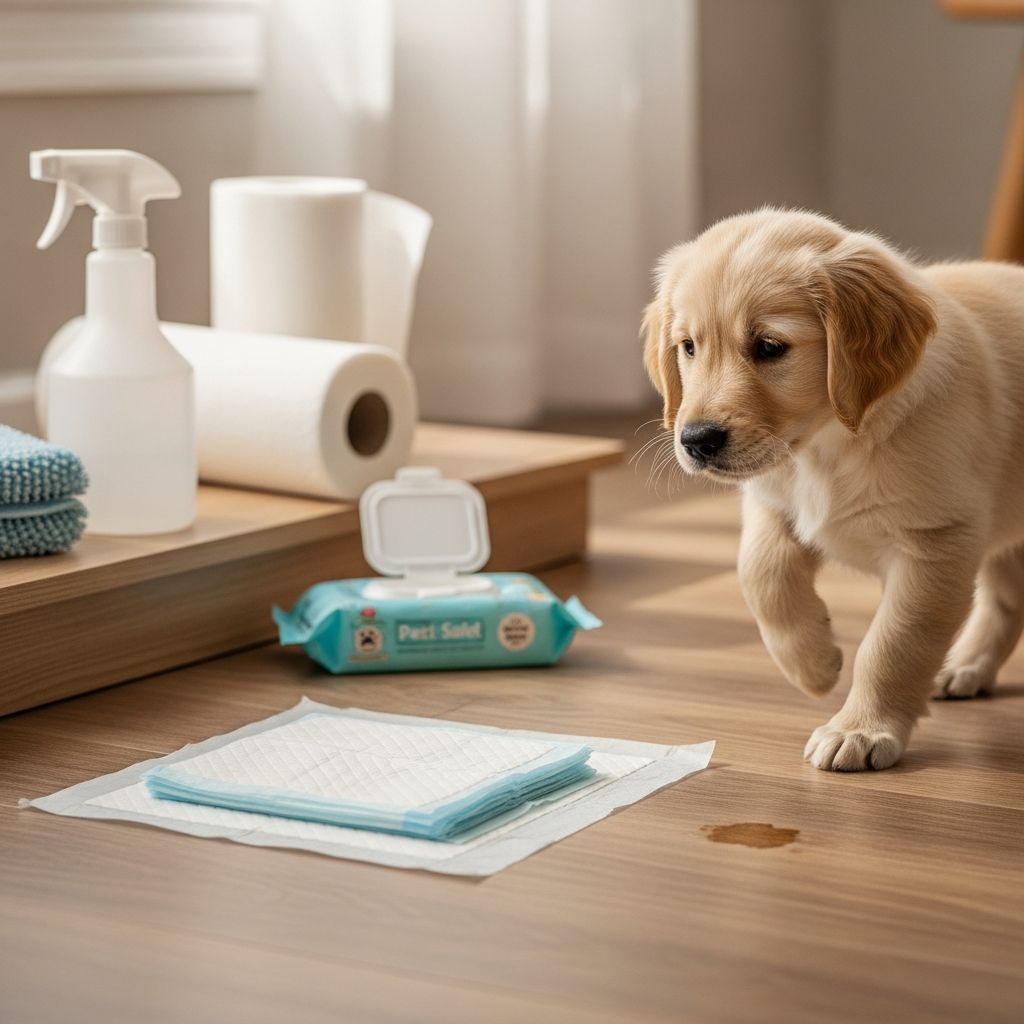
Bringing a new puppy into your home brings joy, but housetraining challenges like indoor accidents are inevitable. Proper cleanup prevents repeat offenses, while consistent training builds good habits. This guide covers essential cleaning techniques, prevention strategies, and solutions to common setbacks, helping you create a harmonious living space.
Understanding Why Puppies Have Indoor Accidents
Puppies lack the bladder control of adult dogs, often needing breaks every 2-3 hours or more frequently when young. Factors like excitement, incomplete housebreaking, or insufficient supervision contribute to messes. Recognizing these triggers allows proactive management.
Establishing a predictable daily rhythm—meals, play, naps, and potty times—helps puppies anticipate needs. Without it, confusion leads to indoor elimination. Medical issues can also play a role, so consult a vet if accidents persist suddenly.
Essential Tools for Effective Puppy Mess Cleanup
Invest in quality supplies to neutralize odors completely, as dogs are drawn to residual scents. Key items include:
- Enzymatic cleaners: Break down urine proteins that regular soaps miss, eliminating attractants.
- Absorbent paper towels or cloths: For initial blotting without spreading.
- Plastic bags or waste scoops: For safe feces disposal.
- Protective gloves: To maintain hygiene during handling.
- Blacklight: Detects hidden urine stains for thorough treatment.
These tools ensure messes don’t linger, reducing the chance of re-soiling.
Step-by-Step Guide to Cleaning Urine Spots
Act swiftly to minimize odor penetration into carpets or floors. Follow these steps:
- Blot excess liquid: Press absorbent materials firmly to soak up as much urine as possible without rubbing, which spreads it deeper.
- Apply enzymatic cleaner: Saturate the area generously, following product instructions for dwell time to allow enzymatic action.
- Let it dry completely: Use fans or open windows to speed evaporation; avoid heat sources that set stains.
- Inspect with blacklight: Reapply cleaner to any glowing spots.
For hardwood or tile, dilute vinegar solutions work as a secondary rinse, but enzymes remain primary for scent removal.
Handling Feces Accidents Properly
Solid waste requires immediate, gentle removal to avoid smearing. Scoop carefully into a bag, then disinfect the area. Enzymatic sprays tackle any residual proteins. For embedded bits in rugs, vacuum after drying and treat with enzymes. Always dispose outdoors to prevent digging or sniffing.
Building a Solid Housetraining Foundation
Prevention starts with structure. Puppies under 12 weeks may hold it for only 2 hours, so frequent outings are crucial.
| Puppy Age | Recommended Potty Breaks | Notes |
|---|---|---|
| 8-12 weeks | Every 30-60 minutes when awake | Increase gradually as control improves |
| 3-6 months | Every 2-4 hours | Include after meals, play, naps |
| 6+ months | Every 4-6 hours | Match adult routines |
This schedule, combined with confinement, accelerates learning.
Selecting and Using a Designated Outdoor Spot
Choose a consistent yard area—accessible, distraction-free, and textured for preference. Lead your puppy there on a leash each time, using a cue like “go potty.” Praise lavishly upon success to link location with reward. Repetition builds association quickly.
The Power of Positive Reinforcement in Training
Reward desired behavior immediately with treats, toys, or enthusiastic voice. Avoid punishment, which breeds fear and hiding accidents. Consistency in praise reinforces the potty spot as positive.
Supervision and Confinement Strategies
Never give free roam; tether to yourself, use baby gates, or crate when unsupervised. Crates leverage natural aversion to soiling sleeping areas, but size matters—pup should stand, turn, and lie comfortably without excess space.
- Tethering keeps eyes on pup during household tasks.
- Exercise pens with pads offer safe zones for apartments.
- Gradual freedom earned via accident-free periods.
Immediate Response to Caught-in-the-Act Accidents
If you spot squatting, interrupt calmly: Clap, say “outside,” scoop up, and rush to the spot. No scolding—focus on redirection. This teaches location without stress. Running to intervene prevents completion and models correct action.
Troubleshooting Persistent Housetraining Challenges
Crate Soiling Issues
Enlarge crate if oversized, or check for UTIs via vet. Clean meticulously and increase breaks to build tolerance.
Puppy Pad Problems: Refusal or Destruction
For refusal, paper an entire pen floor, gradually reducing. Tape edges against tearing; ensure ample exercise curbs boredom-chewing. Transition outdoors by layering grass pads.
Apartment Dwelling Hurdles
Carry small pups past lobbies; frequent trips prevent desperation. Desensitize hallways with play sessions post-potty.
Regression After Progress
Revisit strict supervision and schedules. Stress or changes trigger setbacks—patience restores gains.
Nutrition and Health Factors in Housetraining
Consistent feeding times aid prediction; avoid free-feeding. High-quality diets reduce loose stools. Rule out parasites or infections with fecal checks.
Long-Term Maintenance for Adult Dogs
Once reliable, extend intervals but maintain cues and rewards. Monitor for age-related incontinence in seniors.
Frequently Asked Questions (FAQs)
How long does puppy housetraining typically take?
4-6 months with consistency, varying by breed and age. Patience yields results.
What if my puppy hides to eliminate?
Heighten supervision; insufficient outings or anxiety cause this. Increase positivity.
Are puppy pads a good permanent solution?
Useful temporarily, but outdoor training prevents dependency.
Can I use bleach for cleaning?
No—harsh chemicals damage surfaces and leave scents dogs detect.
What breeds are hardest to housetrain?
Small breeds or those with small bladders like Chihuahuas, but routine works for all.
Key Takeaways for Success
– Prioritize cleanup with enzymes to deter repeats.
– Enforce schedules, supervision, and rewards.
– Troubleshoot with vet checks and adjustments.
With diligence, accidents fade, fostering a well-trained companion.
References
- Housebreaking Puppy Tips and How to Eliminate Accidents — Animal Health Center IA. Accessed 2026. https://animalhealthcenteria.com/housebreaking-puppy-tips-and-how-to-eliminate-accidents/
- How To Respond To Your Pup’s Accident — All Things Pups. Accessed 2026. https://allthingspups.com/respondtopupsaccident/
- All the Worst Puppy Problems: Housetraining Hang-Ups — IAABC Foundation Journal. Accessed 2026. https://journal.iaabcfoundation.org/housetraining-hang-ups/
- Housetraining Puppies & Dogs — American Humane Society. Accessed 2026. https://www.americanhumane.org/public-education/housetraining-puppies-dogs/
- Housetraining survival guide — Animal Humane Society. Accessed 2026. https://www.animalhumanesociety.org/resource/housetraining-survival-guide
- Puppy Training: House Training (aka Potty Training) Setbacks — Smart Dog University. Accessed 2026. https://smartdoguniversity.com/puppy-training-house-training-aka-potty-training-setbacks/
Similar Articles








Read full bio of medha deb




