
Mastering Puppy Potty Training
Unlock proven strategies to housebreak your puppy quickly and stress-free, building good habits from day one.
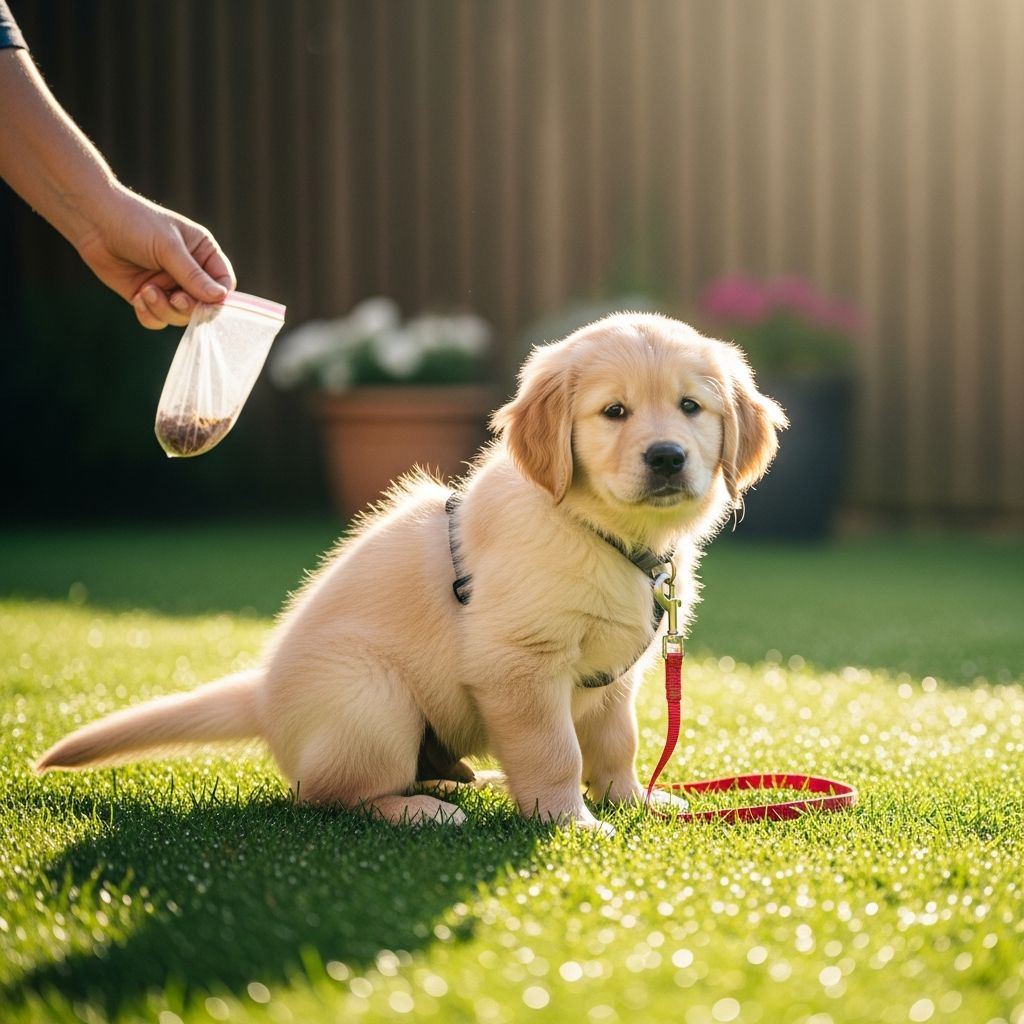
Bringing a new puppy into your home fills it with joy, but potty training often presents the first major hurdle. Puppies naturally lack the control adult dogs have, making consistent guidance essential for developing proper elimination habits. This guide draws on established veterinary and training principles to help you navigate this process efficiently, minimizing accidents and fostering a strong bond with your pet.
Understanding Puppy Bladder Development
Puppies’ ability to hold their bladder evolves rapidly with age. Generally, they can retain urine for roughly one hour per month of life, plus one additional hour. A two-month-old pup might manage two to three hours, while larger breeds often tolerate longer intervals due to greater capacity. Small breeds, however, require more frequent outings owing to their tinier bladders.
Bladders signal the need to go through sniffing, circling, or whining. Recognizing these cues early prevents mishaps. Puppies under eight weeks need outings every 30-60 minutes when active, as their muscles are still maturing. Patience here lays the foundation for reliable habits.
Creating an Effective Daily Routine
A predictable schedule aligns feeding, play, and elimination, accelerating learning. Feed meals at fixed times—typically three to four per day for young pups—and escort them outside immediately after eating, as digestion triggers the urge.
- First thing upon waking
- Post-nap
- After play sessions
- Before bedtime
- Every 1-2 hours during active periods
Track progress with a simple log to adjust timings. For working owners, enlist a dog walker for midday breaks to maintain rhythm. Consistency reinforces that outdoors is the sole potty zone.
The Power of Crate Training in Housebreaking
Crate training leverages dogs’ innate aversion to soiling their sleeping area. Select a crate allowing comfortable standing, turning, and lying, but not excess space that permits corner elimination. Introduce it positively with treats and short sessions, gradually extending duration.
Use the crate for unsupervised periods, never as punishment. Overnight, place the crate nearby for easy morning access. Most puppies adapt within days, holding needs until release. Combine with scheduled outings for optimal results.
Supervision: The Key to Preventing Accidents
Constant vigilance catches pre-accident signals. Tether your puppy to you via leash indoors, enabling swift redirection to the door. Confine to a small, easy-to-clean area like a playpen when brief lapses occur.
Ignore sniffing or squatting? Interrupt gently with a neutral tone, then rush outside. Praise lavishly upon success—voice enthusiasm or small treats cement the association. Freedom expands only as reliability grows.
Positive Reinforcement Techniques
Reward desired behavior immediately. Upon outdoor elimination, offer calm praise like “Good potty!” followed by a treat within seconds. Avoid free roam post-potty; return inside to link relief with positivity.
Skip punishment for indoor slips—scolding induces fear and hiding. Clean accidents with enzymatic cleaners to erase scents, deterring repeats. Progress feels rewarding when tracked weekly.
| Age Group | Recommended Outings | Hold Time |
|---|---|---|
| 8-12 weeks | Every 30-60 min + meals/naps | 1-2 hours |
| 3-6 months | Every 2-4 hours | 3-5 hours |
| 6+ months | 3-5 times daily | 6-8 hours |
This table outlines age-based expectations, varying by breed and individual.
Innovative Tools for Enhanced Communication
A potty bell hangs at door height; ring it en route outside, rewarding nose-touches. Pups soon paw it independently to signal needs, reducing guesswork. Puppy pads serve as interim for harsh weather or apartments, transitioning outdoors gradually.
Indoor potties mimic grass for males, easing urban training. Introduce one spot consistently to build habit.
Troubleshooting Common Challenges
Accidents persist? Revert to stricter supervision and shorter crate intervals. Regression from illness or routine changes demands compassion—consult vets for urinary issues.
- Marking: Neutering curbs territorial spraying in males.
- Fear of outdoors: Pair with play to build positive links.
- Submissive wetting: Ignore greetings calmly; build confidence.
Most achieve reliability by six months with diligence.
Long-Term Maintenance for Lasting Success
Once trained, maintain three daily outings, adjusting for age. Seniors may need more frequent access. Reinforce sporadically to prevent backsliding. A fully housebroken dog enhances home harmony.
Frequently Asked Questions
How long does puppy potty training take?
Typically 4-6 months for full reliability, though basics emerge in weeks with consistency.
Can I use puppy pads long-term?
Yes for apartments, but phase to outdoors to avoid confusion.
What if my puppy cries in the crate?
Ensure recent potty; comfort briefly without release to avoid reinforcement.
Is punishment ever okay for accidents?
No—it erodes trust. Focus on prevention and positives.
When to see a vet for frequent accidents?
If beyond age-expected hold times or with straining.
Advanced Strategies for Stubborn Cases
For resistant pups, black-light detection reveals hidden spots for thorough cleaning. Scheduled water intake post-feeding controls output. Professional trainers aid complex scenarios, like multi-pet homes.
Track via apps logging times, successes, and cues for pattern insights. Celebrate milestones like accident-free weeks with extra play.
References
- Tips for Potty Training Your New Puppy — Hill’s Pet. 2023. https://www.hillspet.com/dog-care/training/puppy-potty-training-tips
- The Ultimate Guide to Potty Training Your Puppy — Pet-Go-Round. 2023. https://www.pet-go-round.com/blogs/education/the-ultimate-guide-to-potty-training-your-puppy
- How to Potty Train Puppies: A Comprehensive Guide for Success — American Kennel Club. 2024-01-15. https://www.akc.org/expert-advice/training/how-to-potty-train-a-puppy/
- A Guide to Potty Training Puppies — PetSmart. 2023. https://www.petsmart.com/learning-center/dog-care/a-guide-to-potty-training-puppies/A0206.html
- Potty Training Tips for Puppies | PetSmart Dog Training Guide — PetSmart (YouTube). 2022. https://www.youtube.com/watch?v=Lymyd4qfyyQ
Similar Articles








Read full bio of Sneha Tete




