

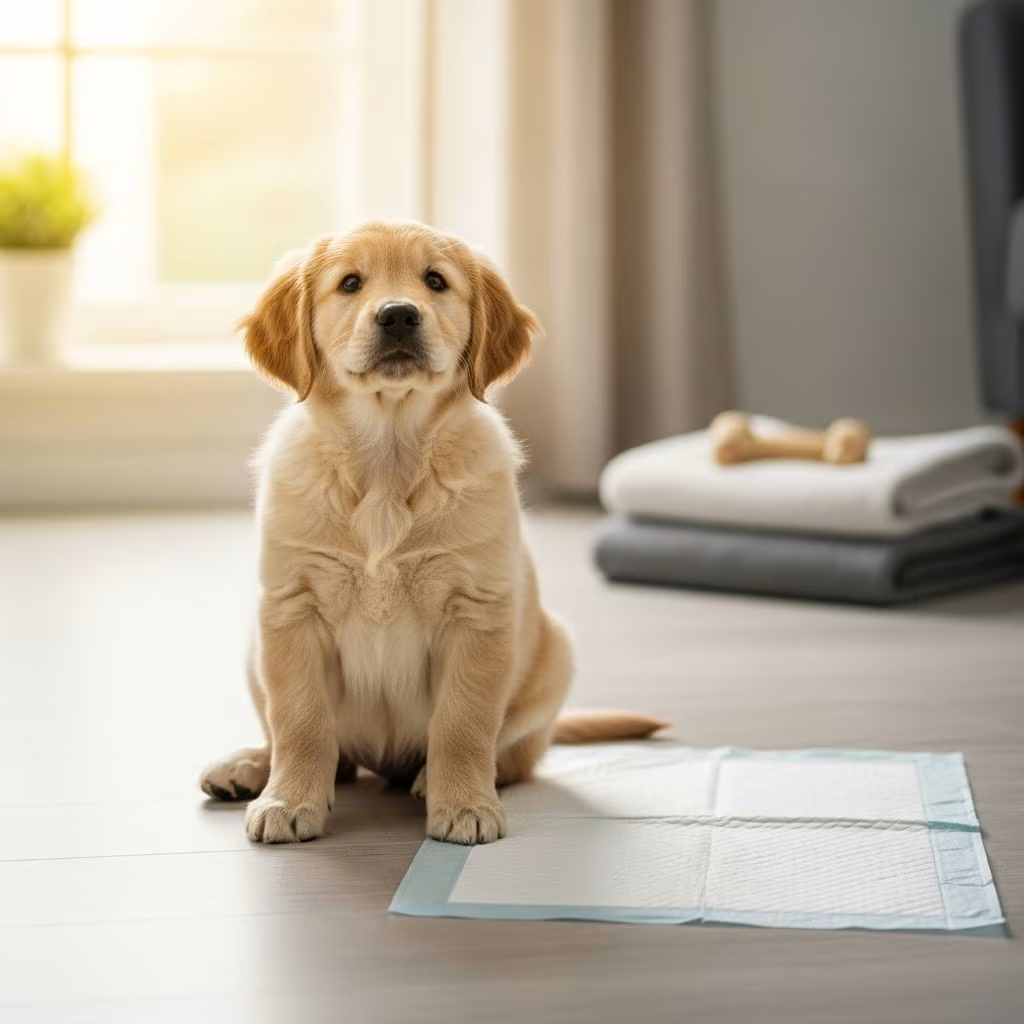
Potty training your puppy is a foundational aspect of welcoming a new furry family member into your home. This process teaches them where and when to eliminate, preventing messes and building good habits early on. Success relies on establishing routines, close monitoring, and rewarding desired behaviors promptly.
Understanding Puppy Bladder Development
Puppies are born without bladder control, gradually developing it over weeks. By 8-12 weeks, most can hold urine for short periods, roughly one hour per month of age plus one. For instance, a two-month-old pup might manage three hours max. Factors like breed size influence this; smaller dogs often need more frequent breaks due to tinier bladders.
Recognizing this timeline sets realistic expectations. Patience prevents frustration, as full reliability may take 4-6 months with diligent effort.
Building a Solid Daily Schedule
A predictable routine aligns with your puppy’s natural elimination patterns, making training smoother. Key times include upon waking, post-meals, after naps, during play breaks, and before bedtime.
- Morning routine: First thing, head straight outside.
- Post-feeding: 15-30 minutes after eating or drinking.
- Play sessions: Excitement stimulates the need to go.
- Evening wind-down: Final trip limits nighttime accidents.
Frequency starts at every 1-2 hours for young pups, extending as they age. Consistency helps them anticipate outings, reducing indoor incidents.
Selecting and Sticking to One Potty Spot
Choose a specific outdoor area to create scent associations that prompt elimination. Use a leash to guide them there each time, repeating a cue like “do your business” as they go.
Stand still and wait patiently—pups may sniff or circle first. Praise lavishly the moment they finish, before any movement, to link the spot with positivity. Avoid distractions like toys until after success.
The Power of Positive Reinforcement
Rewards cement learning far better than punishment. Offer high-value treats, enthusiastic verbal cheers, or play immediately post-elimination. Timing is critical; delays confuse the association.
Ignore accidents calmly—rubbing noses or scolding instills fear, not understanding. Instead, interrupt gently with your cue and rush outside.
Essential Supervision Strategies Indoors
Constant vigilance prevents sneaky accidents. Keep pups within eyesight or tethered via a short leash to your belt.
Watch for pre-elimination signals:
- Intense sniffing or circling.
- Whining, pacing, or door-scratching.
- Sudden stillness or squatting posture.
Spot these? Scoot to the potty area pronto. This proactive approach teaches boundaries without mishaps.
Crate Training: A Reliable Ally
Dogs instinctively avoid soiling sleeping areas, making crates potent tools. Select one fitting their size—room to stand, turn, and lie down comfortably.
Introduce gradually with treats and short sessions, building to longer stays. Use for naps, nights, and absences, always pottying immediately after release. Overnight, most pups under 6 months can hold 6-8 hours; limit water 2 hours pre-bed.
| Age | Max Crate Time | Outing Frequency |
|---|---|---|
| 8-12 weeks | 2-3 hours | Every 1-2 hours |
| 3-6 months | 4-6 hours | Every 3-4 hours |
| 6+ months | 8 hours | Every 4-6 hours |
This table outlines general guidelines; adjust per individual progress.
Managing Feeding and Water Routines
Controlled intake predicts outputs. Feed 3-4 measured meals daily at fixed times, avoiding free-choice to track needs.
Provide water freely daytime but taper evenings. High-moisture foods increase urgency, so time meals accordingly. Exercise post-feeding aids digestion and motility.
Handling Inevitable Accidents Gracefully
Mishaps happen—clean thoroughly with enzymatic cleaners to erase scents drawing repeats. Never punish; it erodes trust.
For outdoor messes, transfer soiled items to the potty spot temporarily to guide scent memory. Track patterns in a log to refine your schedule.
Alternatives for Apartment Dwellers or Bad Weather
Indoor pads or litter boxes bridge gaps but risk mixed signals for full outdoor training. Place in a consistent, easy-clean zone; transition gradually by moving closer to doors.
For tiny breeds or harsh climates, these suffice long-term. Combine with crates for best results.
Overcoming Common Training Hurdles
Persistent indoor elimination: Revisit supervision; rule out medical issues via vet check.
Fear of outdoors: Start small, pair with fun rewards.
Regression: Often stress or routine changes; double down on basics.
Multi-pet homes require individual attention to avoid confusion.
Long-Term Maintenance for Lasting Success
Once reliable, extend intervals gradually. Maintain cues and rewards sporadically to sustain habits. Adult supervision fades, but gates or crates aid transitions.
Consistency across family members prevents mixed messages. Celebrate milestones to keep motivation high.
FAQs
How long does puppy potty training take?
Typically 4-6 months, varying by age, breed, and consistency. Small breeds may need longer.
Is crate training cruel?
No, when sized properly and used humanely, it mimics den instincts and speeds training.
What if my puppy cries in the crate at night?
Briefly comfort without removing; last resort potty if needed, then back in calmly.
Can I use punishment for accidents?
Absolutely not—it causes anxiety and setbacks. Stick to positives.
When to see a vet for training issues?
If accidents persist post-6 months or include straining/blood, check for UTIs or GI problems.
References
- How to Potty Train a Puppy: Essential Housebreaking Tips for Success — Humane World. 2023. https://www.humaneworld.org/en/resources/how-potty-train-your-dog-or-puppy
- Potty Training a Puppy: How to House Train Puppies — West Street Vet (PDF). 2019-06. https://weststreetvet.com/wp-content/uploads/2019/06/Potty-Training-a-Puppy_-How-to-House-Train-Puppies.pdf
- How to Potty Train a Puppy — PetMD. 2024. https://www.petmd.com/dog/general-health/how-to-potty-train-a-puppy
- House Training for Puppies and Dogs — VCA Animal Hospitals. 2023. https://vcahospitals.com/know-your-pet/house-training-your-puppy
- How to Potty Train a Puppy — American Kennel Club. 2024. https://www.akc.org/expert-advice/training/how-to-potty-train-a-puppy/
- Housetraining Your Puppy — UC Davis School of Veterinary Medicine (PDF). 2022. https://www.vetmed.ucdavis.edu/sites/g/files/dgvnsk491/files/inline-files/Housetraining_Your_Puppy.pdf
- Housetraining Dogs — The Ohio State University Indoor Pet Initiative. 2023. https://indoorpet.osu.edu/dogs/puppy/housetraining-dogs



