

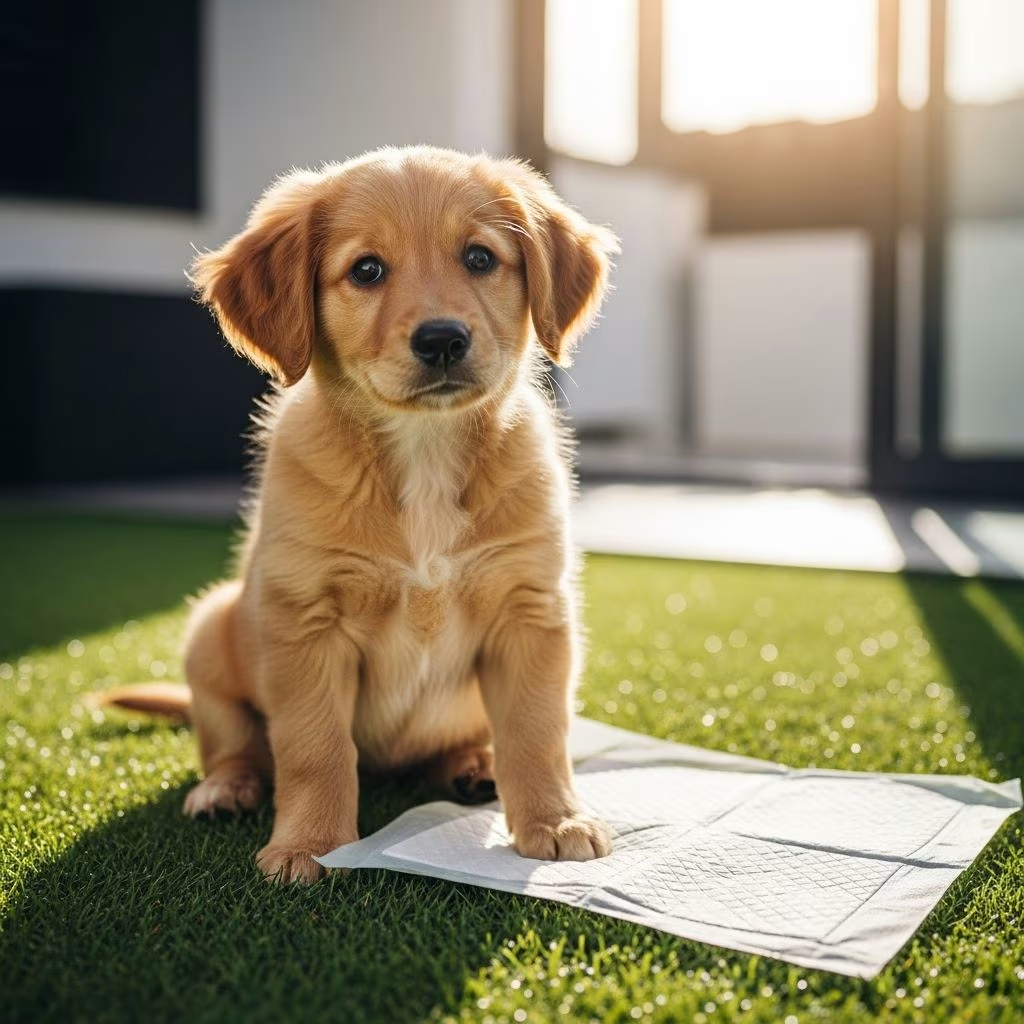
Potty training your puppy is a foundational step in building a well-behaved companion and maintaining a hygienic living space. This process teaches young dogs to eliminate in appropriate outdoor areas, reducing indoor messes and fostering good habits early on. With patience and consistency, most puppies achieve reliable control within weeks, though full mastery may take months depending on age, breed, and prior experiences.
Understanding the Basics of Puppy Bladder Control
Puppies are born without bladder control, gradually developing it as their muscles strengthen. A common guideline is that a puppy’s age in months roughly equals the hours they can hold their needs— a 2-month-old might manage 2 hours, while a 4-month-old could stretch to 4. Factors like small breeds or frequent meals influence this capacity, making frequent outings essential initially.
Recognizing signals such as circling, sniffing intensely, whining, or sudden restlessness helps preempt accidents. These cues indicate an urgent need, prompting immediate action to guide the puppy outside.
Essential Tools and Setup for Success
Gather supplies before starting: a sturdy crate sized for the puppy to stand, turn, and lie comfortably; high-value treats for rewards; enzyme-based cleaners to erase scent markers; and optional pee pads for apartments or bad weather. Leashes ensure focus during outdoor trips, while baby gates confine safe zones indoors.
- Crate: Mimics den instinct, discouraging elimination inside.
- Treats: Small, soft pieces delivered instantly for positive association.
- Cleaner: Removes odors completely to prevent repeat marking.
- Leash and collar: Keeps puppy attentive outdoors.
Building an Effective Daily Potty Routine
Consistency forms the backbone of training. Feed at set times—typically 3-4 meals daily for young puppies—to predict elimination patterns. Potty breaks should align with predictable triggers, creating a rhythm that reinforces outdoor habits.
| Time of Day | Reason for Break | Tips |
|---|---|---|
| First thing in morning | Overnight buildup | Use same spot; praise immediately. |
| After meals (5-20 mins) | Digestion trigger | Short walk to stimulate. |
| Post-nap | Bladder full | Direct to door without play. |
| Before bedtime | Empty before sleep | Last chance; no water 2 hours prior. |
| After play/exercise | Excitation release | Calm transition to potty area. |
Repeat the same phrase like “do your business” each time, staying with the puppy until they finish. This builds cue recognition and ensures completion before rewards.
The Power of Crate Training in Housebreaking
Crates leverage puppies’ natural aversion to soiling sleeping areas, accelerating training. Introduce gradually with positive associations—meals inside, short comfy stays. Use for naps, nights, and brief absences, never as punishment. Limit crate time to the puppy’s hold capacity plus one hour to avoid distress.
During unsupervised periods, crate the puppy; when supervised, tether nearby on a leash. This minimizes opportunities for errors while teaching boundaries.
Positive Reinforcement: Rewarding Right Behaviors
Praise lavishly and treat precisely when the puppy eliminates outside—before they finish re-entering the house. Timing is critical; delayed rewards confuse. Ignore minor indoor slips, focusing solely on successes to encourage repetition.
Avoid scolding accidents, as fear hinders learning. Instead, interrupt gently with a noise or “outside,” then rush to the spot. Punishment risks anxiety or hiding behaviors, prolonging the process.
Handling and Preventing Indoor Accidents
Accidents happen, especially early on. Clean thoroughly with enzymatic products to eliminate scents that attract repeats. Blot, don’t rub, and ventilate the area.
If caught mid-act, clap or say “no” firmly, then escort outside without drama. Track patterns—post-meal mishaps signal more frequent breaks needed. Regression during teething or stress is normal; revert to basics without frustration.
Age-Appropriate Training Timelines
Begin as soon as the puppy arrives home, ideally 8-12 weeks. Under 8 weeks, breeders may have started basics, but reinforce immediately. By 4-6 months, most hold longer, transitioning to fewer breaks.
- 8-12 weeks: Every 1-2 hours, plus triggers; expect frequent nights.
- 3-6 months: 3-4 hours; nighttime dry-up begins.
- 6+ months: Adult patterns; occasional checks suffice.
Larger breeds mature faster; toy breeds may take longer due to physiology.
Accelerating the Training Process
For quicker results, combine crate confinement, strict schedules, and supervision. Limit water evenings, exercise moderately to prompt needs, and track progress in a log. Puppies from clean environments adapt faster than those from crowded shelters.
Expect 4-8 weeks for basics, months for reliability. Breeds like Labradors often excel; independents like Huskies test patience.
Troubleshooting Common Challenges
Persistent indoor preference: Increase outings, block access, use belly bands for males.
Night wakings: Set alarm for 3-4 AM initially, fade gradually.
Fear of outdoors: Carry out, practice short trips with play.
Marking post-training: Neuter if applicable, reinforce rules.
Indoor Alternatives: Pads and Designated Spots
For urban dwellers or weather extremes, start with pads scented to attract, transitioning outdoors later. Place consistently, reward use, and shrink area over time. This hybrid works but prolongs full outdoor reliance.
Long-Term Maintenance and Adult Refresher
Once trained, maintain with morning/evening routines. New homes or family changes may need refreshers—reintroduce crate if regressions occur. Senior dogs or illnesses demand adjustments for incontinence.
Frequently Asked Questions (FAQs)
When should I start potty training my puppy?
Immediately upon bringing them home, around 8 weeks, using short, frequent sessions tailored to their development.
How often do puppies need potty breaks?
Every 1-2 hours initially, plus after meals, naps, play, and bedtime, adjusting as they age.
What if my puppy has an accident?
Clean with enzymes, avoid punishment, and increase supervision/breaks to prevent repeats.
Can I use pee pads permanently?
Yes for apartments, but transition to outdoors for health and exercise benefits.
How long until my puppy is fully trained?
4-8 weeks for basics, up to 6 months for full reliability, varying by individual.
Nutrition’s Role in Predictable Potty Habits
Balanced puppy food at fixed times stabilizes digestion. Avoid free-feeding; water freely daytime, taper evenings. Frequent small meals mean more breaks, but routines make it manageable.
References
- How & When to Potty Train a Puppy — Purina US. 2026-01-28. https://www.purina.com/articles/dog/puppy/training/how-to-potty-train-a-puppy
- A Guide to Potty Training Puppies — PetSmart. N/A. https://www.petsmart.com/learning-center/dog-care/a-guide-to-potty-training-puppies/A0206.html
- How To Toilet Train Your Puppy or Dog — RSPCA. N/A. https://www.rspca.org.uk/adviceandwelfare/pets/dogs/training/toilettraining
- Potty-Pad Training Your Dog — Animal Humane Society. N/A. https://www.animalhumanesociety.org/resource/potty-pad-training-your-dog
- How to Potty Train Puppies: A Comprehensive Guide for Success — American Kennel Club. N/A. https://www.akc.org/expert-advice/training/how-to-potty-train-a-puppy/



