

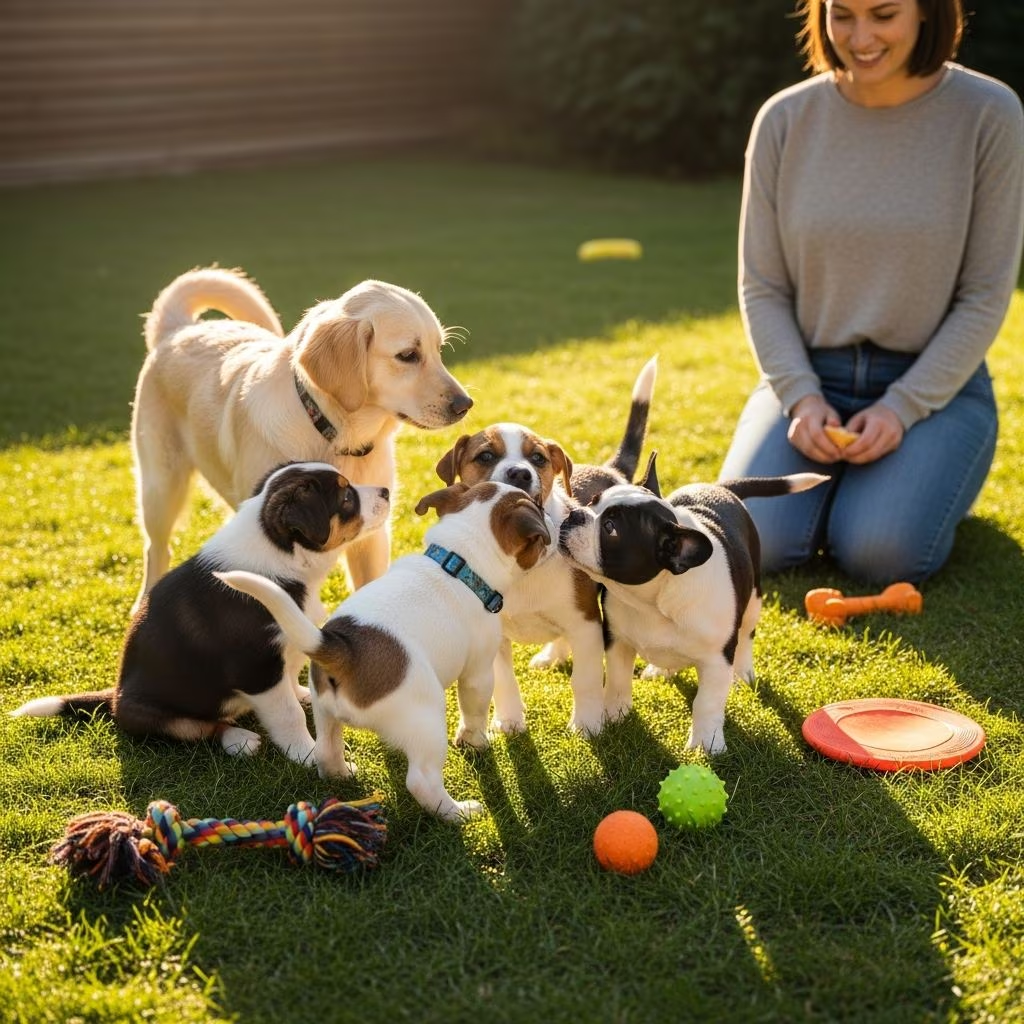
Effective supervision during puppy play sessions builds a foundation for well-adjusted adult dogs. By closely monitoring interactions, owners can guide young dogs toward appropriate social behaviors while avoiding potential conflicts or injuries. This approach not only enhances safety but also strengthens the bond between puppy and owner through positive reinforcement and timely guidance.
Understanding Healthy Puppy Interactions
Recognizing the hallmarks of positive play is the first step in successful supervision. Puppies engage in healthy play when their bodies remain relaxed, with loose movements and frequent role reversals, such as switching between chasing and being chased. Play bows—where a puppy lowers its front end while keeping the rear elevated—signal invitations to fun, reciprocal activities.
In contrast, tense postures, stiff tails, or one-sided dominance indicate escalating tension. A puppy backed into a corner or showing avoidance behaviors needs immediate attention to prevent fear-based responses that could lead to future aggression. Owners should observe group dynamics closely, noting if all participants appear equally engaged and joyful.
- Look for waggy tails and bouncy gaits as signs of enjoyment.
- Ensure play is balanced, with no single puppy dominating repeatedly.
- Monitor for brief pauses where puppies check in with each other.
Creating the Perfect Play Environment
A thoughtfully designed space enhances supervision and reduces risks. Private, fenced yards offer controlled access, minimizing exposure to parasites like giardia common in public areas. Incorporate natural barriers such as bushes or sturdy furniture to provide retreat spots, allowing puppies to self-regulate their energy levels.
Elevated platforms like benches or dog beds serve as safe havens. If a puppy seeks refuge underneath, it’s a cue to assess the play intensity—healthy dogs should return eagerly after a short break. For indoor sessions, use baby gates or exercise pens to confine play to visible areas.
| Element | Benefits | Examples |
|---|---|---|
| Barriers | Offers escape routes | Bushes, low tables |
| Elevated Spots | Reduces overwhelm | Benches, raised beds |
| Fencing | Controls access | Private yard fences |
Techniques for Active Intervention
When play veers toward intensity, intervene promptly but positively. Movement is a powerful tool: clap hands cheerfully, call the puppies, and lead a group walk around the perimeter. This redirects focus from each other to exploration, diffusing tension naturally.
Redirection involves introducing engaging alternatives like chaseable balls or splash pools, shifting energy into constructive outlets without punishment. Short training breaks—rewarding sits or spins—reinforce good manners amid excitement. Always use upbeat tones to maintain a fun atmosphere.
- Assess signals of stress, such as pinned ears or lip licking.
- Initiate motion to break fixation.
- Offer new stimuli for positive channeling.
Strategic Use of Toys in Play
Toys can moderate interactions by adding distance and appropriate outlets for mouthing. Introduce them when play intensifies, demonstrating tug or fetch to encourage cooperative use. However, watch for resource guarding, where a puppy stiffens or growls over an item—remove it promptly to avoid escalation.
Supervise closely during toy introduction, as puppies may need guidance to share. Rotate toys to maintain novelty, preventing boredom that leads to roughhousing. Match toy durability to chewing strength, inspecting regularly for damage that could cause choking.
- Opt for size-appropriate, non-swallowable items.
- Discard frayed or broken toys immediately.
- Use toys to teach turn-taking in groups.
Building Social Skills Through Scheduled Play
Regular, supervised playdates teach impulse control and manners. Short sessions interspersed with training mimic a puppy’s natural cycle: activity followed by rest. Post-nap playtimes, when puppies are alert but not overtired, yield the best learning.
Combine play with commands like “come” or “leave it” to instill obedience under distraction. If mouthing escalates, pause the session calmly, resuming only when calm resumes. This consistency prevents aggressive habits from forming.
Supervision Tools for Everyday Management
Beyond playdates, constant oversight prevents mischief. Tether puppies to a long leash indoors for easy monitoring and quick corrections. Substitute inappropriate chews with approved toys, praising the switch to reinforce choices.
Crate training complements supervision, providing safe alone time that builds independence. Predictable routines—potty, play, train, nap—support overall development.
Common Pitfalls and How to Avoid Them
Unsupervised multi-dog play risks resource fights or bullying. Overly excited puppies may ignore boundaries, leading to bites that teach poor bite inhibition. Always prioritize quality over quantity in interactions.
Neglecting body language cues can allow small issues to grow. Train your eye to spot early warnings, intervening before problems solidify.
Long-Term Benefits of Diligent Oversight
Puppies under vigilant supervision develop confidence and sociability, reducing adult reactivity. They learn self-calming and polite greetings, easing integration into homes and communities. Owners gain skilled companions ready for varied experiences.
Frequently Asked Questions
How long should puppy play sessions last?
Keep sessions to 10-15 minutes, with breaks for naps. Puppies tire quickly and become cranky when overstimulated.
What if my puppy guards toys?
Remove the toy and redirect to training or solo play. Gradually reintroduce sharing with supervision.
Is a public dog park safe for puppies?
Prefer private yards to avoid diseases and intense dogs. Vaccinate fully before group exposure.
How do I stop rough play?
Interrupt with movement or toys, then reward calm behaviors. Consistency teaches boundaries.
Can older dogs play with puppies?
Yes, if the adult is gentle. Monitor closely for corrective nips that educate without harm.
References
- How To Supervise Good Puppy Play — Whole Dog Journal. 2023. https://www.whole-dog-journal.com/puppies/how-to-supervise-good-puppy-play/
- 6 Training Techniques to Prevent Problem Puppy Behaviors — Pierson Pet Hospital. 2022. https://piersonpethospital.com/6-training-techniques-to-prevent-problem-puppy-behaviors/
- Effective Puppy Training Techniques — Andrea Arden. 2023. https://andreaarden.com/puppy-training/effective-puppy-training-techniques/
- Direct Supervision with Dog Toys is Key to Safe Playtime Fun — ZippyPaws. 2024. https://zippypaws.com/direct-supervision-with-dog-toys-is-key-to-safe-playtime-fun/
- The Importance of Moderating and Supervising Your Puppy’s Play — Hillary’s Hound House. 2023. https://hillaryshoundhouse.com/the-importance-of-moderating-and-supervising-your-puppys-play/



